
Developing Photographers, Not Just Images
Article

Posted by Michael Pilkington
At aspect2i we believe photographer development is best understood through real stories rather than testimonials. Each conversation follows one photographer’s journey — how they learnt, what changed, where they struggled and how their way of seeing evolved. Together, they reveal something we care deeply about: that becoming a better photographer is ultimately about becoming more aware of how you see the world. These are stories of curiosity, growth and discovering a personal way of seeing.
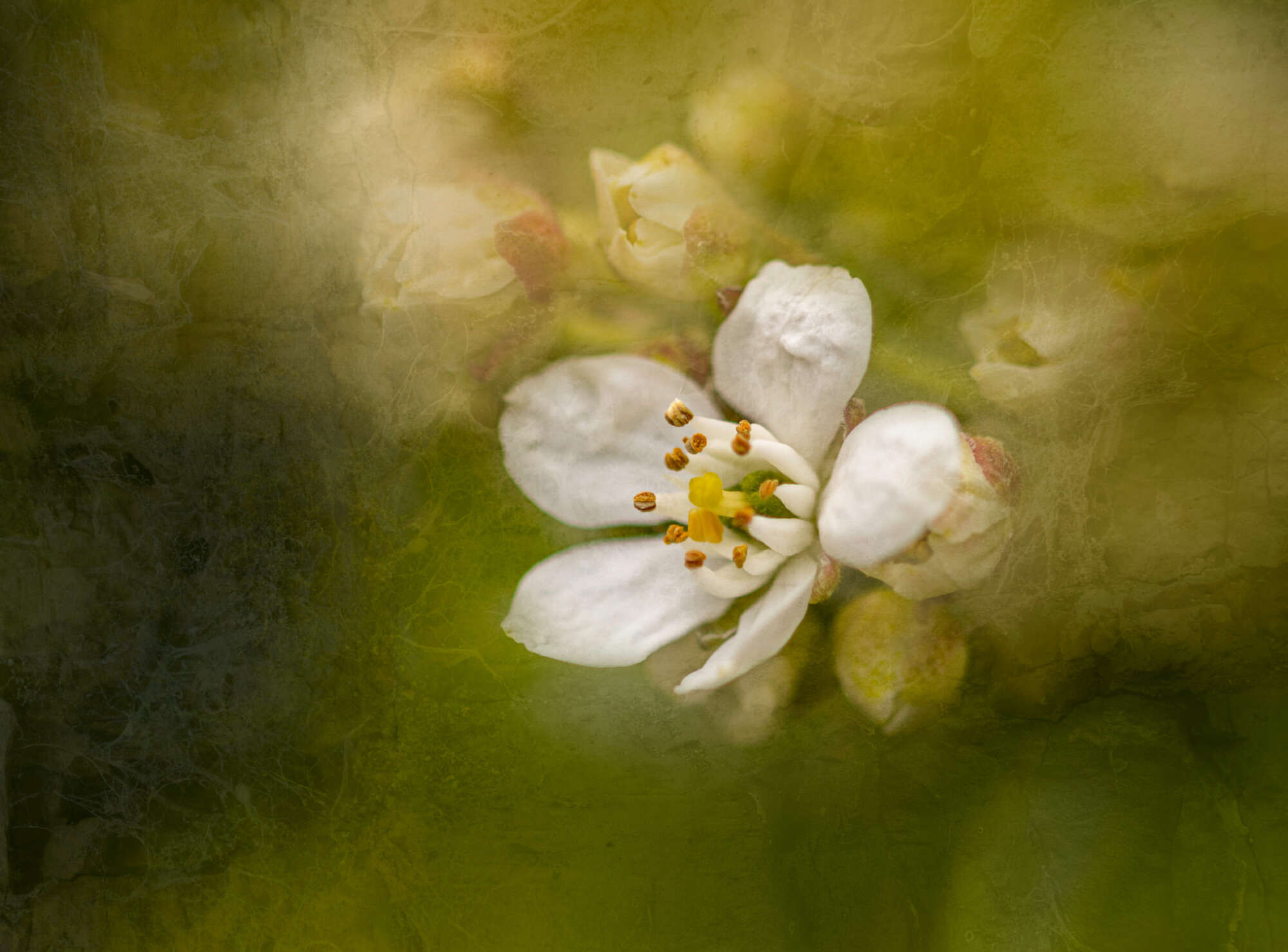
Five years ago, Terri never imagined she’d become a landscape photographer. Today she’s creating expressive images, exploring woodland, coastlines, and intentional camera movement, and working towards her LRPS. This is the story of how photography quietly transformed not only what she photographed, but how she saw the world.
“I thought one thing I definitely wasn’t going to be was a landscape photographer.”
Terri laughs as she says it. Considering where her photography has taken her over the past few years, it’s one of those wonderful statements that simply didn’t age very well. Today, she’s happiest standing in woodland waiting for light to filter through the trees. Or watching waves crash against the shoreline. Or finding quiet moments on photography retreats where the landscape has room to breathe.
But none of that was part of the plan. In fact, photography wasn’t really part of her plan at all. Like many people, Terri came to photography almost by accident. It wasn’t a lifelong ambition or a childhood obsession. It arrived quietly, almost unnoticed, before gradually becoming one of the most important creative outlets in her life. Looking back now, it’s difficult to imagine it unfolding any other way.
Long before cameras entered the picture, creativity already played a huge role in Terri’s life. Her first career was in psychiatric social work, working in acute psychiatry. It was demanding, unpredictable work that required compassion, patience and the ability to understand people. When she started a family, however, she realised the profession no longer fitted around family life. So, she retrained, and teaching became her second career. But it wasn’t just teaching; it was teaching creativity.
From the age of twelve she’d been making her own clothes, fascinated by fabrics, construction and design. That lifelong interest eventually led her into creative embroidery, textile art and teaching others how to develop their own creative ideas. Working alongside her close friend Norma, she spent years running workshops and lectures, encouraging students to experiment rather than simply follow instructions. Listening to Terri describe those years, it’s impossible not to notice how similar her philosophy was to photography. “It wasn’t about everyone producing the same thing,” she explains. “It was about helping people find their own ideas.”
Terri’s experience reflects something that every photographer eventually finds for themselves. Learning the technical side is important, but it’s discovering your own way of communicating that really matters.
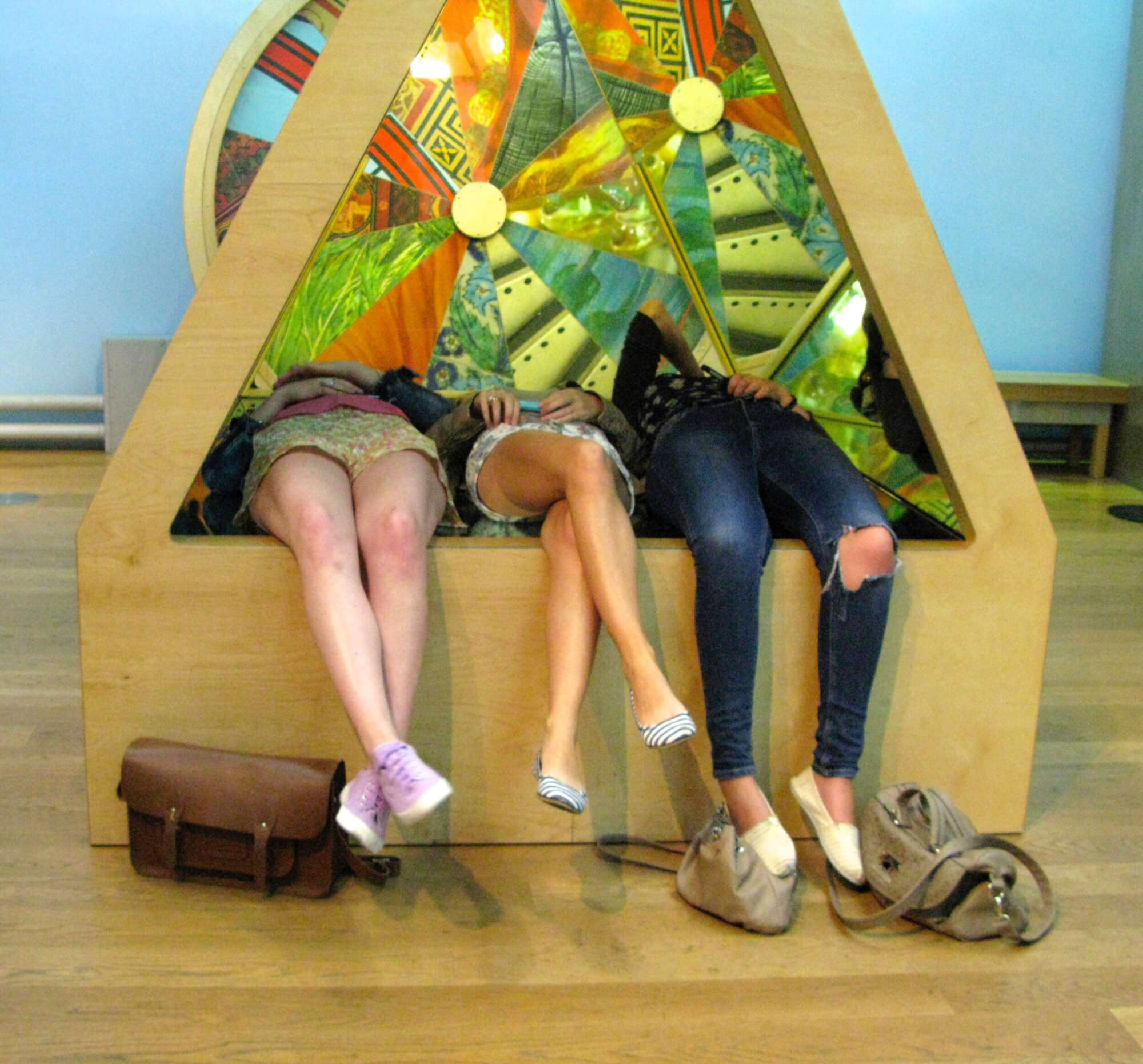
She wasn’t trying to become a photographer; she simply wanted better reference material for her textile work. An early Canon PowerShot became another creative tool, sitting alongside sketchbooks, sewing machines and fabrics. She photographed textures, patterns, peeling posters and weathered walls, even manhole covers while travelling through Prague.
Back in the studio, those photographs would be transformed, manipulated and eventually stitched into embroidered artwork. The photograph itself wasn’t the finished piece; it was simply part of the process of creating unique textiles, but something was happening that Terri didn’t fully understand at the time. “I can remember saying to Norma,” she recalls, “that when I got a really good photograph, I felt like I’d got something.” Perhaps, looking back, photography had already begun choosing her.
Then came 2020 and the COVID pandemic. Like so many people, Terri suddenly found herself isolated during the lockdowns. Living alone in Manchester during one of the most restrictive periods of the pandemic wasn’t easy. The days became quieter and longer, and photography offered a reason to get outside and, perhaps most importantly, a reason to keep learning. Around that time, she discovered Emma Davies’ online programme, A Year With My Camera. “I couldn’t believe how well it was organised,” Terri says. As an experienced teacher herself, she immediately recognised good educational design. The course didn’t overwhelm beginners but introduced one new idea each week, where students practised that one concept before moving on to the next.
“The first six weeks were very technical,” Terri remembers. “But each assignment was just one small step. “That gradual approach suited her perfectly, and with nowhere else to be during lockdown, she threw herself into learning. Every walk became an opportunity to practise, and each week cumulatively built on the last and by the end of the first year, something had changed, and she was hooked. After a talk by Michael Pilkington to the camera club, Terri knew that she wanted to explore her photography more and joined a photography retreat with aspect2i. She says, “It proved to fit the bill”.
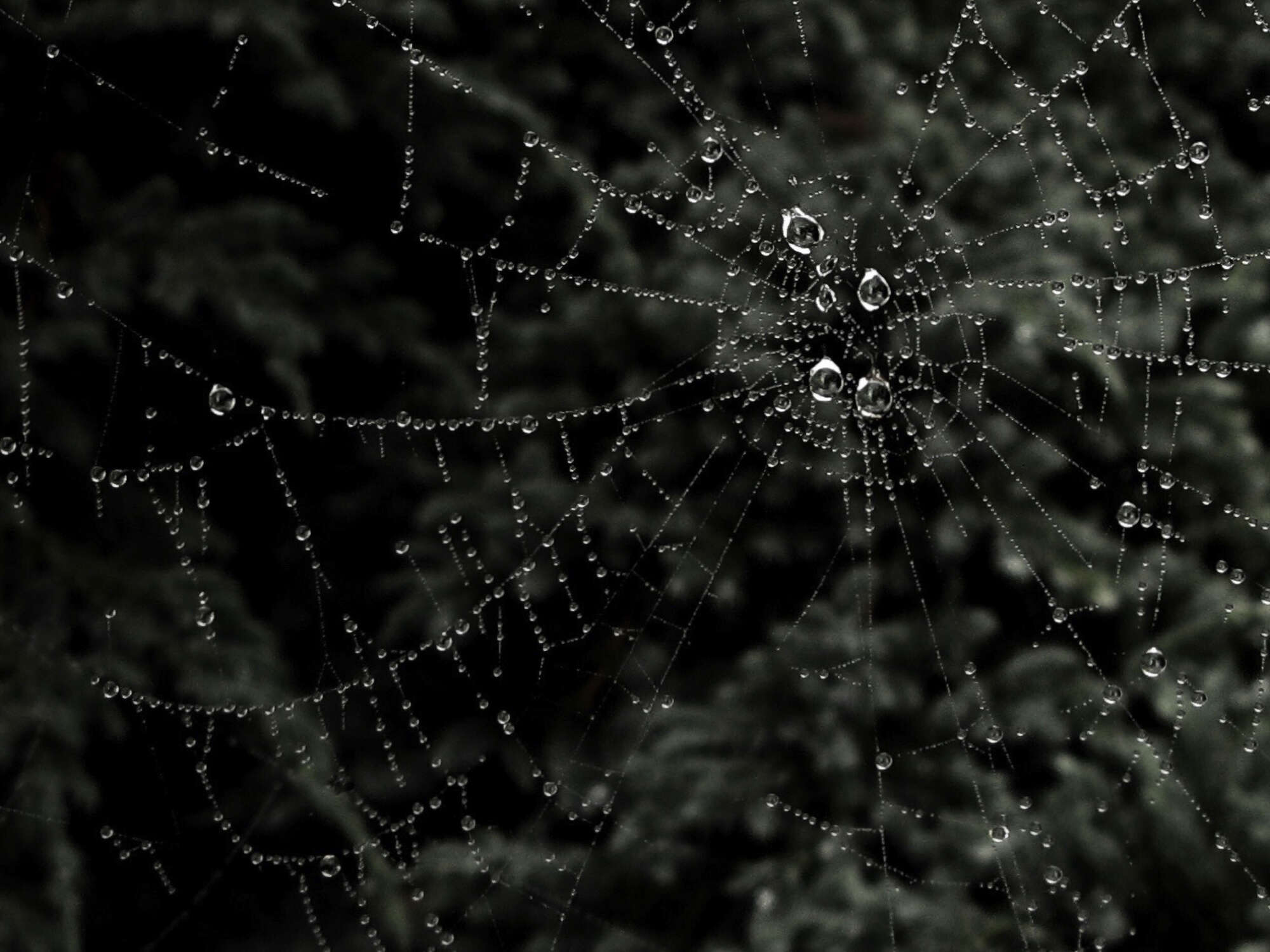
Initially, photography had a practical purpose. She simply wanted to produce better images of her textile work for exhibitions and magazine articles, but gradually over time, the camera stopped being a tool for the textiles and photography became the creative outlet.
“I realised I was taking photographs because I wanted to take photographs.” Not because she needed them for another project or because someone expected her to, simply because she loved making them. She hadn’t just learned how to use a camera; she was becoming a photographer.
Every photographer reaches a point where the camera starts to feel familiar. The controls become second nature and composition becomes instinctive. For Terri, though, the biggest breakthrough wasn’t technical; it was learning to ask a completely different question: not how to photograph something, but why.
She remembers one particular conversation during an aspect2i retreat that completely changed the way she approached photography. Standing beside a small harbour, she was doing what many photographers do. Looking for leading lines and studying the rocks and her surroundings, considering balance and composition.
Michael Pilkington wandered over. “What are you photographing?” he asked. “The rocks,” Terri replied, “or maybe the boat and rope” She listed all the visual elements she’d carefully arranged in her mind. Michael smiled. “No,” he said. “What are you photographing?” It stopped her in her tracks. “The sky,” she eventually realised. “That’s what I’d actually been looking at.”
It’s one of those deceptively simple conversations that stays with you long after the workshop has finished. Terri often refers back to it because it changed the order in which she now works. Instead of beginning with composition, she begins with emotion and what is it that’s caught her attention. Only once she understood that did she start thinking about focal lengths, leading lines or camera settings. As photographers, it’s easy to become absorbed in the mechanics of making pictures.
Terri’s experience is a reminder that the strongest photographs usually begin with something much simpler.

One of the fascinating things about talking to Terri is how often she draws connections between photography and the careers she’s already lived. Teaching creative textiles wasn’t about showing students how to copy; it was about helping them discover something personal, and looking back over years of students’ work, she noticed an interesting pattern. People rarely knew what their work was really about.
Themes revealed themselves over time, and the artist was often the last person to notice. She experienced the same thing herself. Years after creating a body of textile work, she realised much of it explored the place of women in society. She hadn’t planned it, but the work certainly reflected what was occupying her subconscious. Photography, she believes, works in exactly the same way. “I don’t think you decide your themes,” she says. “I think they find you.”
It’s an observation that many photographers will recognise. If you were to spread fifty photographs across a table, patterns begin to emerge, not because you planned them but because they’re part of who you are.
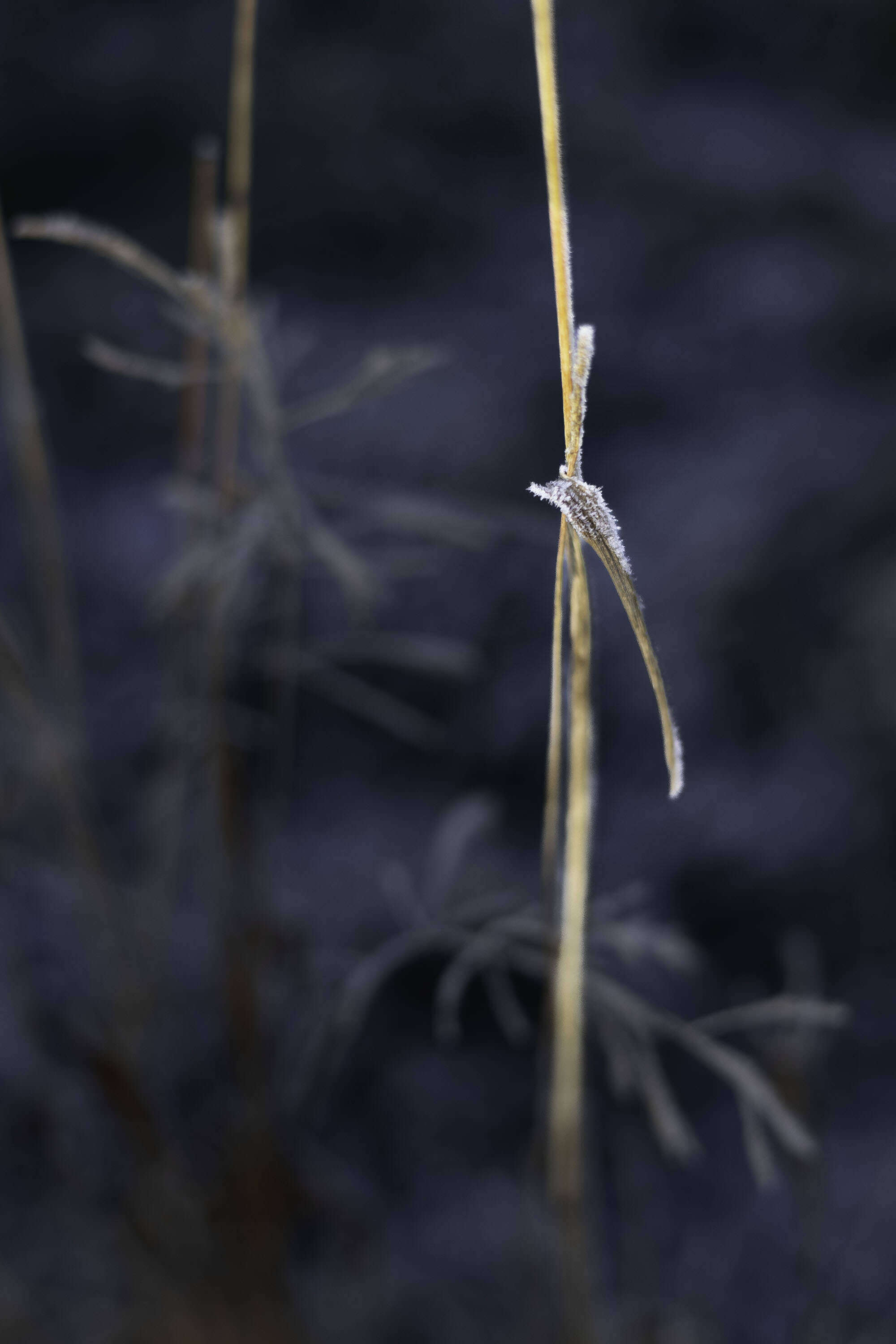
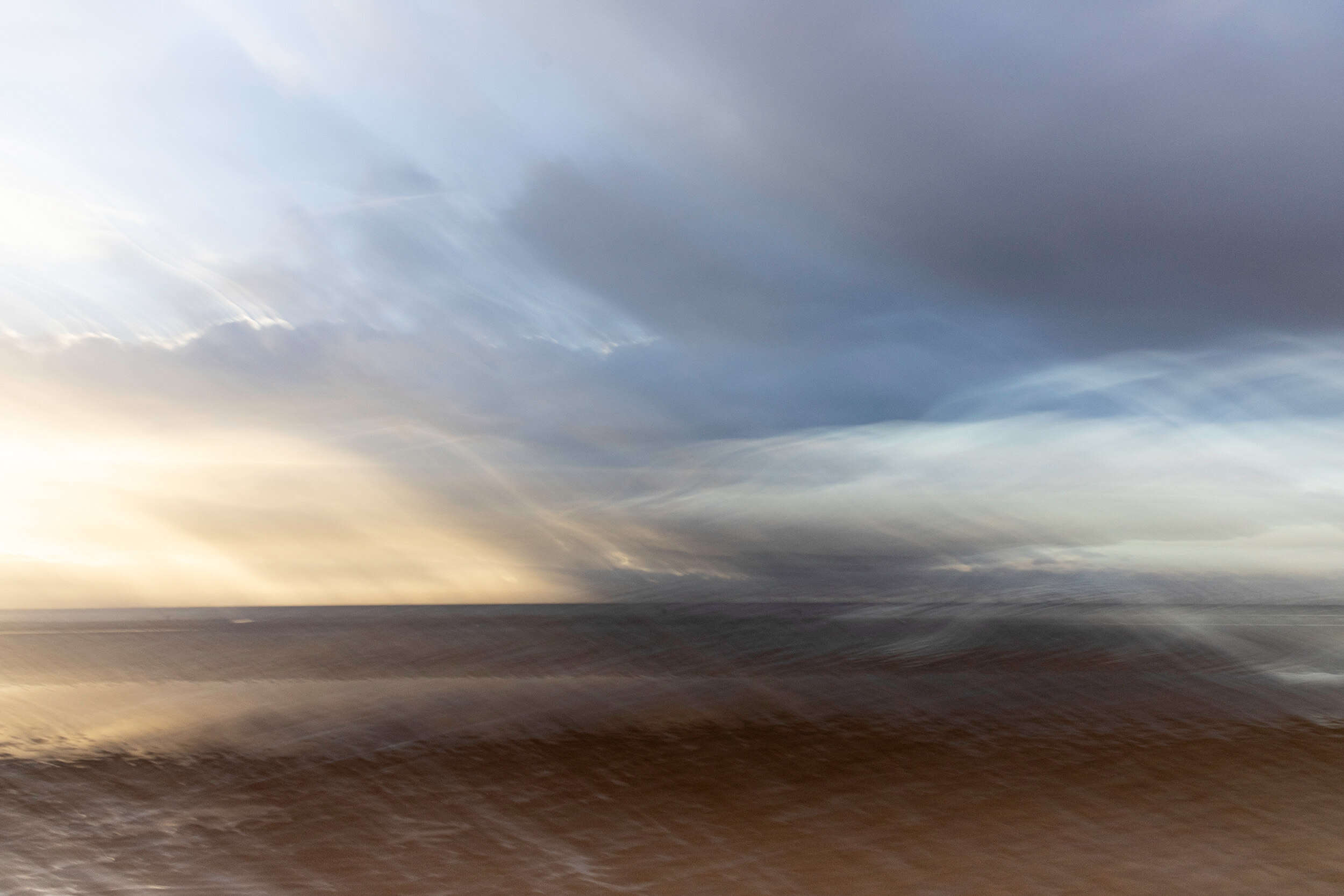
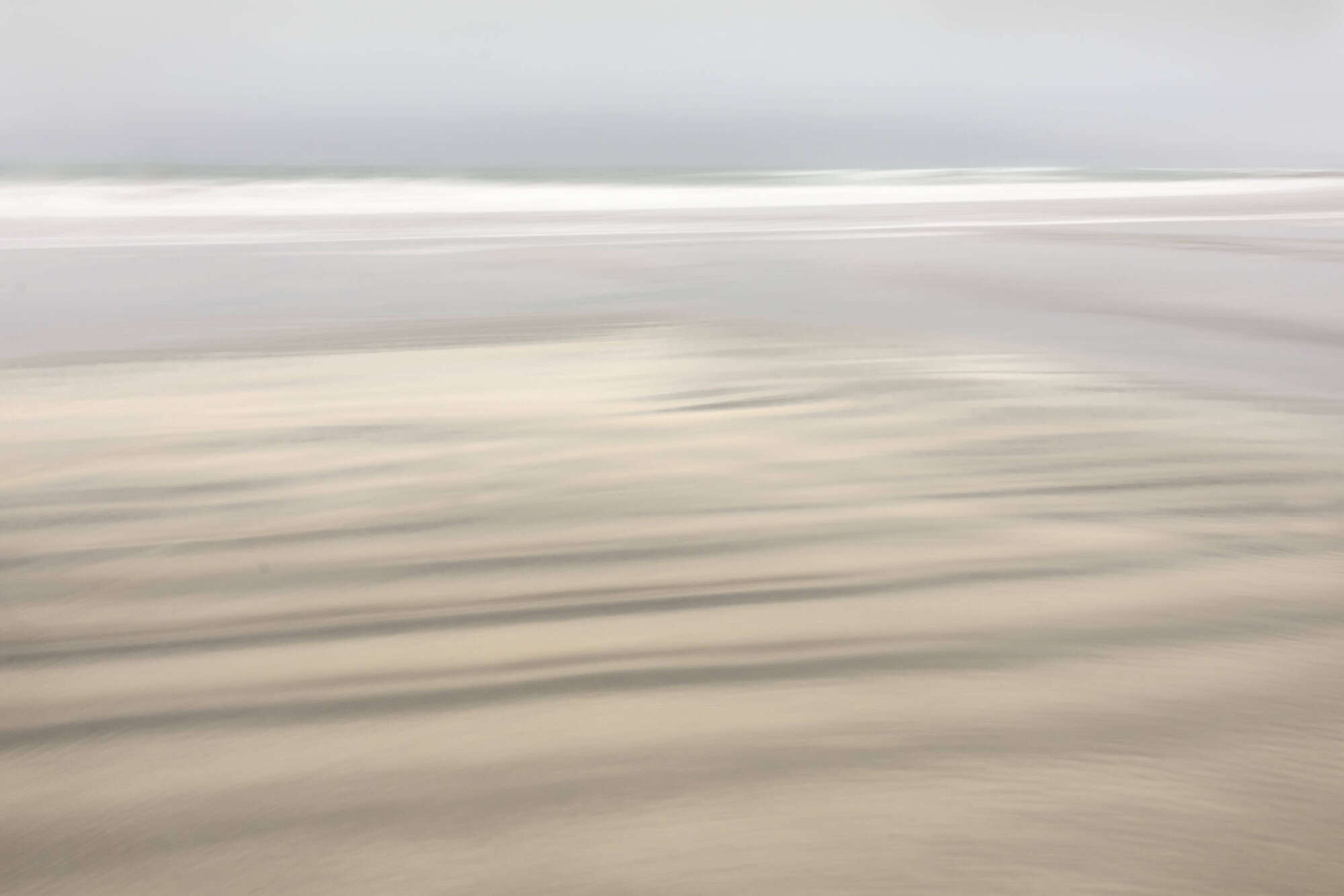
When Terri began looking closely at her own photographs, one theme kept returning: hope. It wasn’t obvious at first, but once she’d seen it, she couldn’t unsee it. She talks about sitting beside the sea, fascinated by the thin line where water meets sky. “It’s what’s over there,” she says. “That’s what interests me.” “It’s exciting.” The horizon becomes more than a horizon; it becomes possibility.
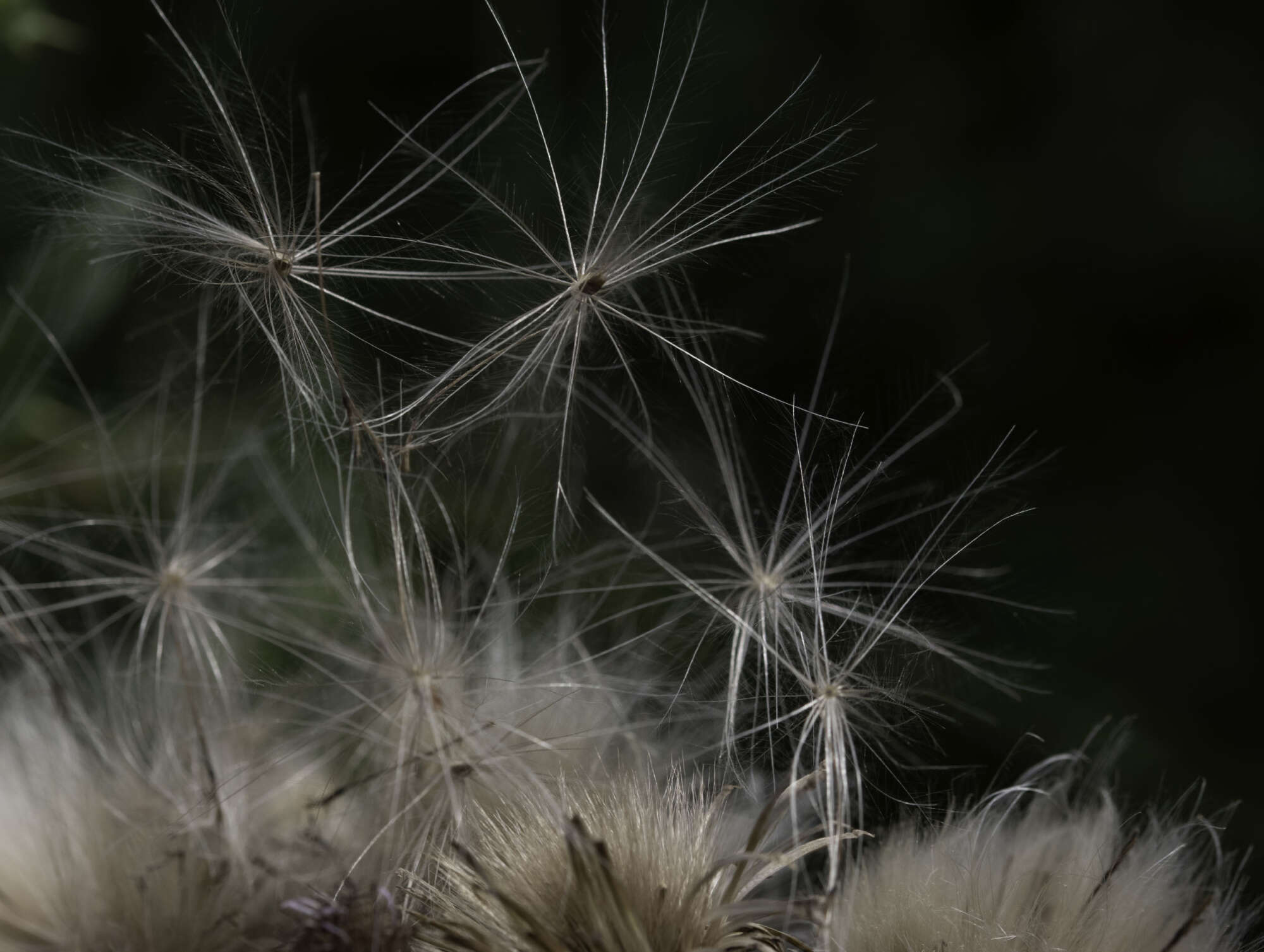
That same idea appeared while photographing teasels. Initially she was obsessed with capturing the exact moment a seed detached from the plant. Technically it was an interesting challenge, but emotionally it turned out to be something else entirely. Only later did she realise those photographs reminded her of children leaving home, starting new journeys and taking their first steps into the unknown.
“I didn’t know that’s what I was photographing at the time,” she admits, “I only realised afterwards.” That’s perhaps one of the loveliest things about photography. Sometimes the camera understands us before we understand ourselves.
One subject that came up repeatedly during our conversation was critique. Not criticism. Terri believes there’s an important difference. Like many photographers, she’d spent years hearing people say her photographs were “lovely.” It’s encouraging to hear, but it only takes you so far. “I remember saying I needed somebody who wouldn’t just say nice things.” Not somebody who would tear photographs apart, but somebody who would help her understand them and now she describes critique as analysis rather than judgement.
How does the photograph make people feel? Where does the eye travel? What questions does it leave unanswered? Those are far more valuable conversations than deciding whether an image is “good” or “bad.” They’re also the conversations that help photographers grow. Terri has found those discussions through her camera club, through Emma Davies’ excellent learning community and, more recently, through aspect2i photography retreats where small group sizes allow much more individual tuition. “It’s much more personal,” she says. “You’re working with me where I am.”
Every photographer arrives with different experiences, individual ambitions and unique ways of seeing the world around them. Good tuition isn’t about treating everyone the same; it’s about helping each individual move one step further along their own journey, and Terri is a wonderful example of what happens when that approach begins to bear fruit.
Ask Terri where her photography is heading, and she doesn’t hesitate. “I want to make them more like a piece of art than a photograph.” It’s a simple sentence, but it says everything, as she’s no longer interested in simply recording what was in front of the camera; she wants to communicate something deeper. “I don’t want a picture of,” she says, “I want a picture about.”
If there was a single sentence that summed up our conversation, that might be it because once you begin thinking that way, photography changes and technique becomes a tool for dialogue rather than getting the job done, and editing becomes clarification and interpretation rather than correction.
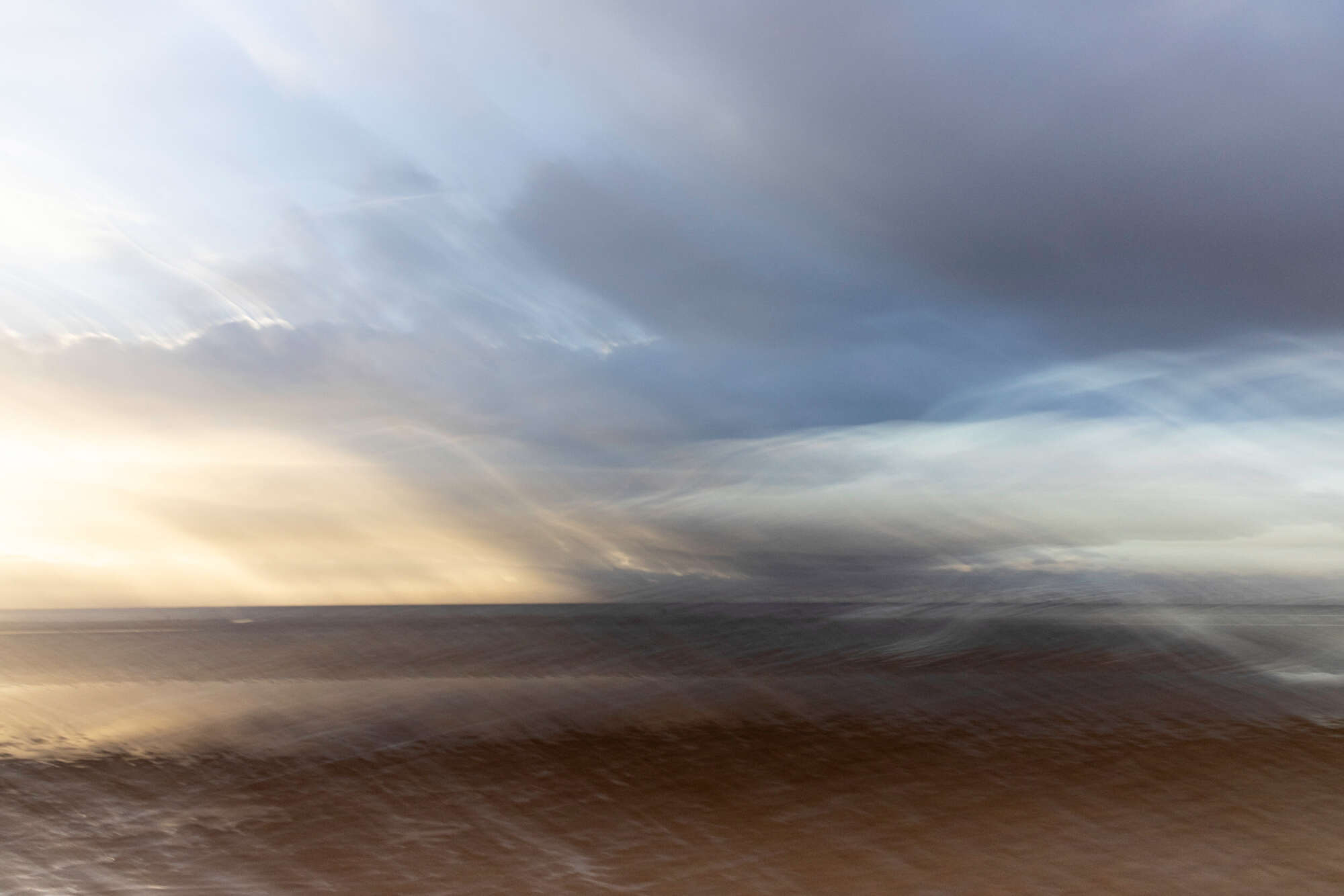
Creative techniques such as intentional camera movement and multiple exposures have become increasingly appealing, not because they’re fashionable, but because they help Terri express ideas that straightforward photographs sometimes cannot. She recently showed us an ICM photograph made at Crosby Beach. Anyone familiar with Antony Gormley’s famous sculptures would probably expect another photograph of the iron figures, but Terri deliberately ignored them, and instead, she found something entirely different. The resulting image felt painterly and expressive. “I wanted my own slant on it.” She said, and that’s exactly what she achieved.
One thing that becomes obvious after spending time with Terri is that she genuinely loves learning. “I’d quite happily have been a permanent student,” she laughs, and there are still techniques she’d like to master, like long exposure water and using filters confidently, along with improving her image editing. But those technical goals feel very different now; they’re about adding new creative tools to an ever-growing toolbox. As the technical side becomes increasingly instinctive, more mental space becomes available for the things that really matter. Ideas, emotion and storytelling is where photography becomes truly rewarding.
Towards the end of our conversation, Terri mentioned something she’d only recently begun saying out loud. The LRPS distinction. Like many photographers, she’d thought about it and wondered whether she should and was concerned whether she was ready. Once she’d said it aloud, though, it somehow became real. Knowing Terri, there’s every chance that by the time you’re reading this she’ll already be working towards it because every project becomes another opportunity to discover something about herself.
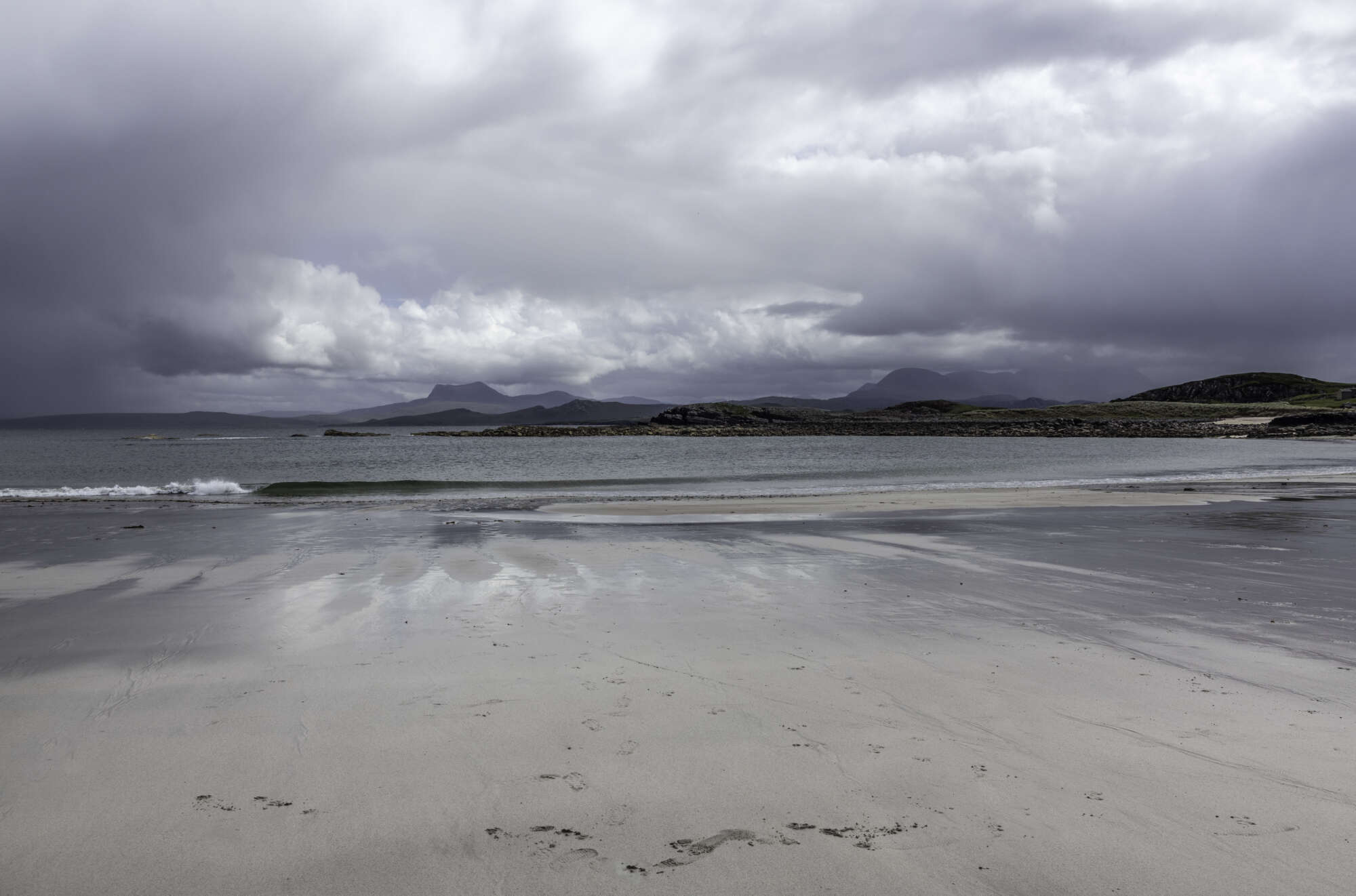
It’s funny how often photographers talk about finding photography. Listening to Terri, it almost feels the other way round: photography found her whilst quietly threaded its way through a career in textiles, waited patiently while she taught hundreds of students to discover their own creativity. Eventually revealed itself as the perfect creative companion to everything she’d already spent a lifetime doing.
Perhaps that’s why her photographs continue to evolve so naturally. They’re not trying to imitate anyone else; they’re becoming hers unmistakably. When we asked Terri what we could do to help her next, her answer was beautifully simple. “Just keep doing what you’ve been doing.” It’s hard to imagine a nicer compliment because photography didn’t simply give Terri another hobby. It gave her another way to explore creativity, ask questions and express herself. And if her journey over the past five years is any indication, she’s only just getting started.

