
Developing Photographers, Not Just Images
Article

Michael Pilkington
Browsing social media, you may find yourself drawn to certain photographers. It may be that the subject of their photography interests you, or it may also be that you are attracted to their style of photography. Having a specific photographic style is something that many photographers aspire to or even pursue. It seems to be the mark of an accomplished photographer, as shown by the apparent success of the photographers we follow.
Recognition of a particular look or identity by others can be personally rewarding and is probably why we seek it out in the first place. It also demonstrates a consistency in our work, and rightly or wrongly, a level of competence and an inherent ability. To have a photographic style gives the perception that you are accomplished. More importantly, we want our photographs to feel our own, exhibiting how we see and interpret things, and that is what makes it attractive.
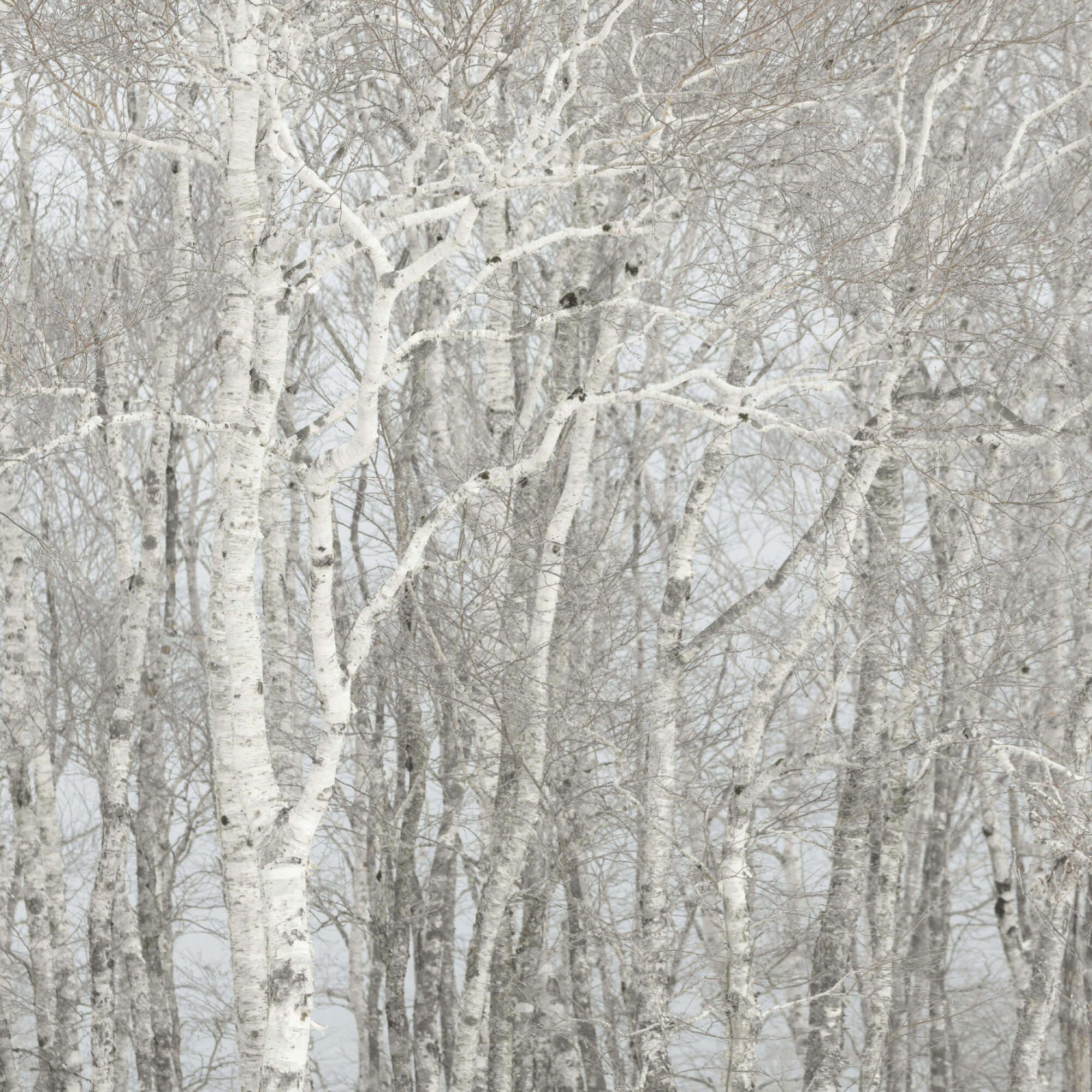
Those photographers we admire impose a style on their work. It is their visual signature, their mark, and how we might recognise their work without being told who the author is. If you are a professional photographer, your style or visual signature is part of your brand.
As non-professionals, style can be viewed as our own visual signature, our own personal identity that we display when sharing images on social media or in camera clubs.
Style is the combination of visual choices that influence how a photograph looks and how it communicates. That translates into how we make images, from capture through editing. Often, we begin by adopting. Perhaps the simplest example is choosing black-and-white photography. Being monochromatic, discounting colour information, creates a level of abstraction. With black-and-white photography, we have many more possibilities to exaggerate or suppress tones within the image. We can elect to go low-key or high-key, changing the look and feel of the image. It might be that we notice that a particular perspective is used by a photographer – low on the ground or shooting very close to the main subject, for example. A photographer might employ very shallow depth of field to accentuate elements within the frame. It is important to note that no single choice constitutes a personal style.
From the very beginning of our photography, we are influenced by the work of others. This could be genre, how we compose and expose our images, and how we edit. As in all photography and all forms of art, we are influenced by other creators and evolve this into our own. Through making photographs, recurring preferences emerge, and we may eventually discover something that others call our style.
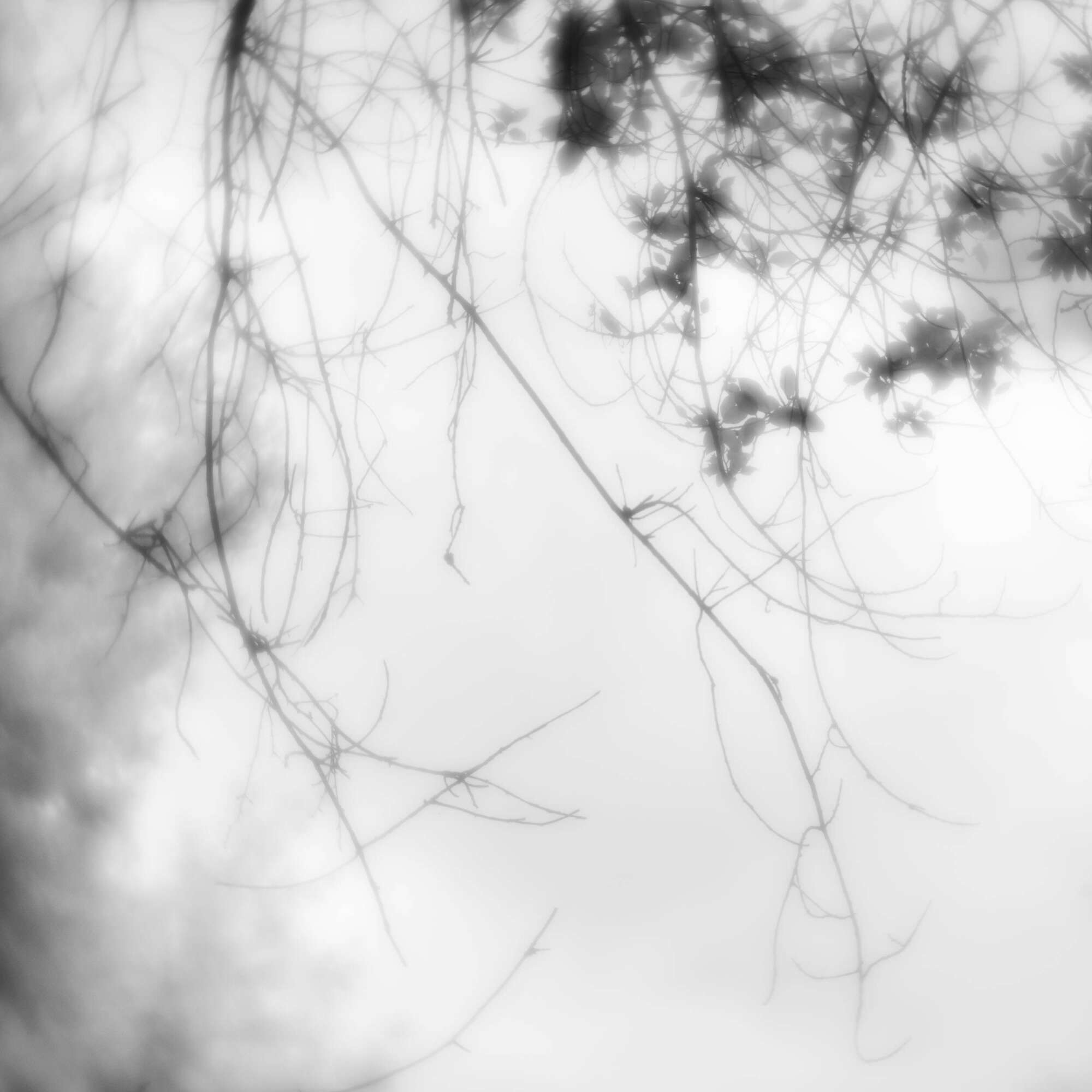
Style can emerge over time. Looking back at my own work, I can see different styles ten years ago compared to today. Back then, my images were darker, more ‘photographic’, and today they are lighter, low-contrast, and perhaps ‘painterly’. That is not to say all of my work in those periods conformed to these characteristics. There are many instances where they do not, which brings me to another reflection. Certain locations or subjects often command different stylistic approaches. A style can exist for an individual image, a few images or a broader body of work, a location, or indeed particular time periods in your life.
Personal style can be defined as recurring characteristics across your photography. This is probably the most aligned with our general definition of what style is. If you were to lay out a large number of your images, what emerges consistently? It could be the way in which you edit, compose or indeed the subject matter you choose.
Project style may well override or supplement your personal style. Unlike personal style, which may emerge gradually, a project style can be consciously created. It is deliberately chosen to help communicate and give coherence to a body of work. When preparing my panel for my Fellowship of the Royal Photographic Society, I decided to have a certain ‘look’ to the photographs. They were all low-key, and colour was de-emphasised to allow images taken in different seasons to sit together. I also felt that this supported the narrative of abandonment which featured in the panel.
A technique or aesthetic would be a particular visual treatment that may simply be something you enjoy using. I have transitioned from ultra-sharp images using tilt and shift lenses to softer, shallow depth of field using antique lenses and embracing their inherent imperfections. Front-to-back sharpness as afforded by tilt and shift lenses was something that seemed to be sought after a decade ago. I have evolved my interpretation of the landscape, and incorporating clear recession (which includes distant objects being less sharp) is something I now prefer. I would also say that this is part of my evolution away from documenting the landscape and trying to present it more poetically. My changing relationship with photography caused the stylistic change.
Styles can be temporary. A photographer might deliberately impose a visual language on a body of work: square format, monochrome, muted colour or tonal palette, high contrast, particular lens or particular perspective, etc.
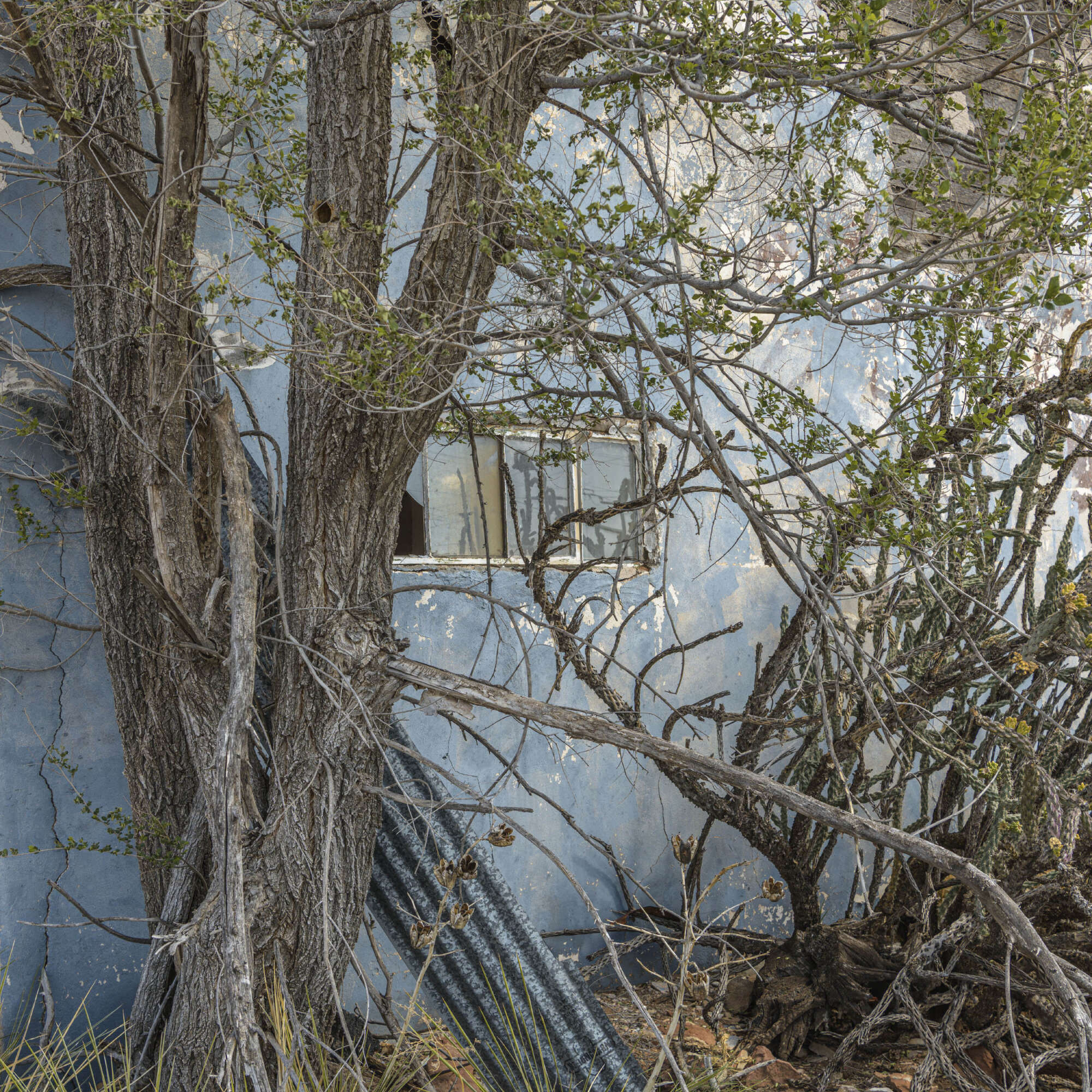
As we become more experienced, many of the decisions involved in making and editing photographs require less conscious thought. Through experimentation and experience, we build a virtual library of visual approaches that we can call upon almost intuitively. This releases some of the mental bandwidth previously occupied by technique and allows us to concentrate more fully on what we are trying to communicate. What do we want this image, or images, to say? How can style augment that message?
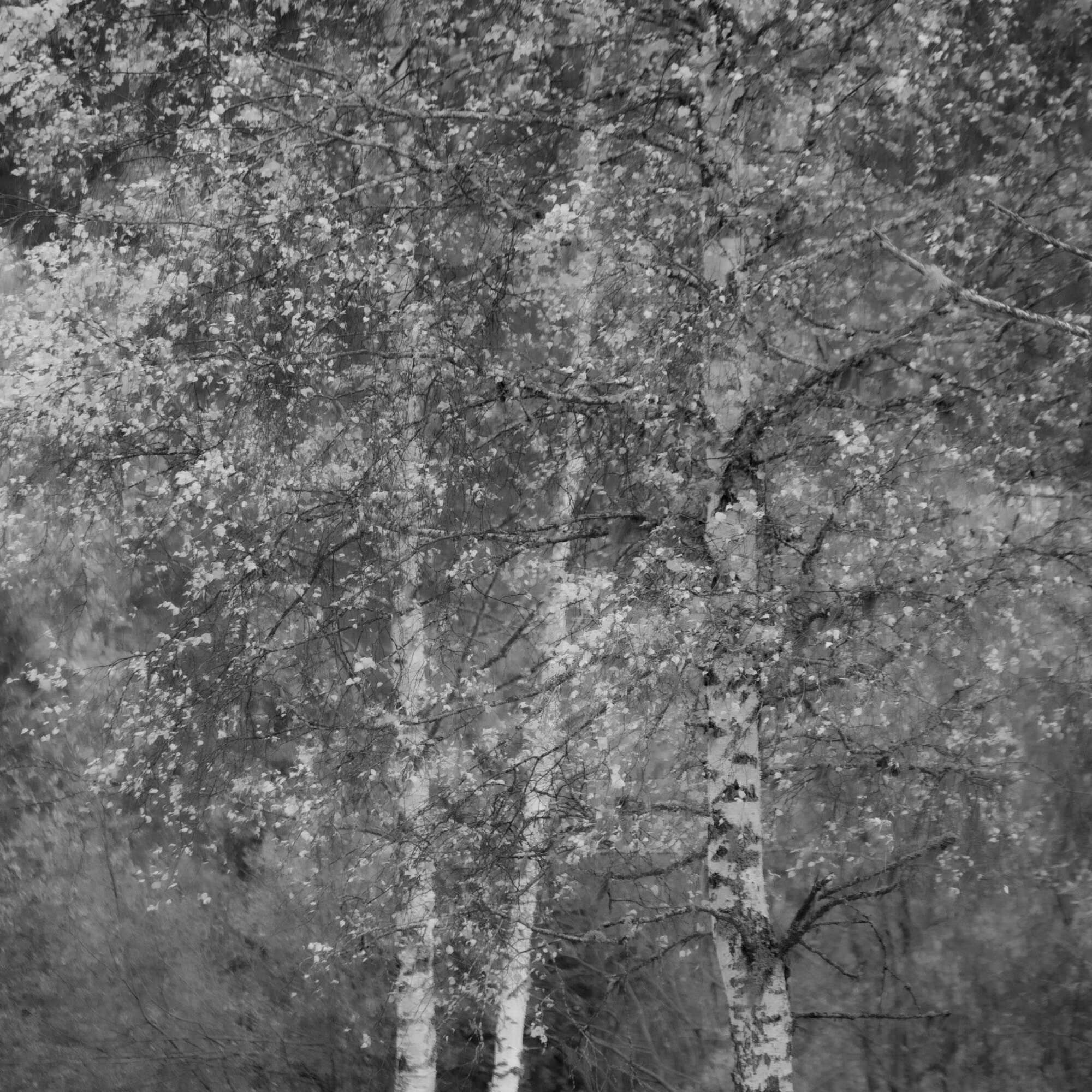
If you discover a style that you like, you adopt it, and it proves successful in so much as the images receive positive responses (via social media, camera club competitions, for example), then the inclination is to repeat this. Eventually, the style can become a formula. The stronger your recognised style becomes, the harder it is to escape it. The question the photographer asks themselves is, ‘How do I make this image look like one of my photographs?’ Instead of ‘What am I trying to communicate’, and what visual choices will support that?’ The key here is not the ‘one’ overarching style but the language specific to the image or images in hand to convey the message. Styles employed as part of your visual vocabulary is useful, but when it becomes your rulebook, then it can be restrictive.
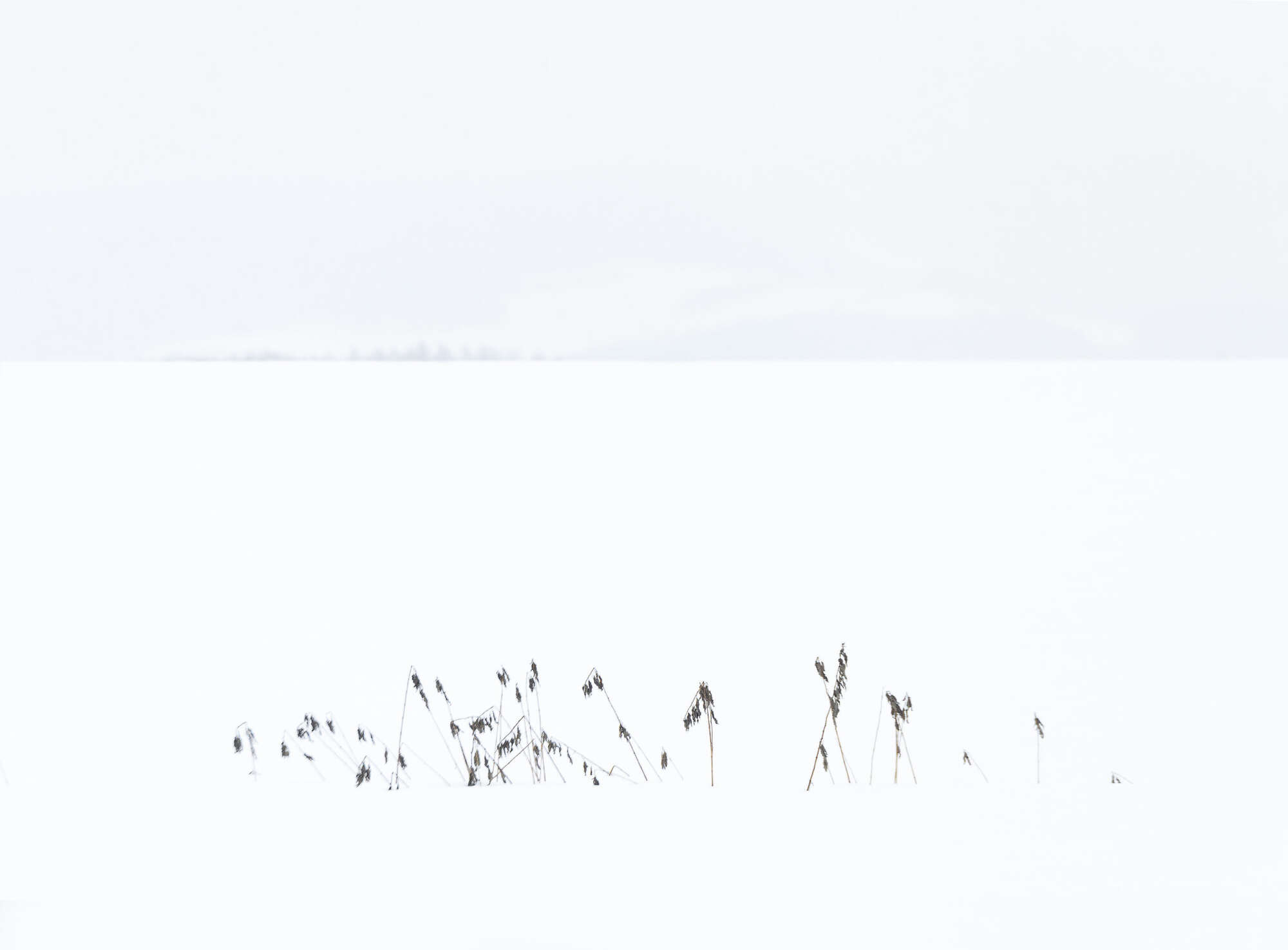
Style is dynamic. It can change over time as our interests change, our experiences accumulate, and our sense of aesthetic evolves. Encounters with the works of other creators continue to influence how we work. Style is not something that you should find and then preserve.
You don’t need to possess a style as though it were an achievement or qualification. What matters is developing the ability to make visual choices appropriate to what you are trying to communicate. If characteristics recur naturally across those choices, that may be your style, at least for now.

