
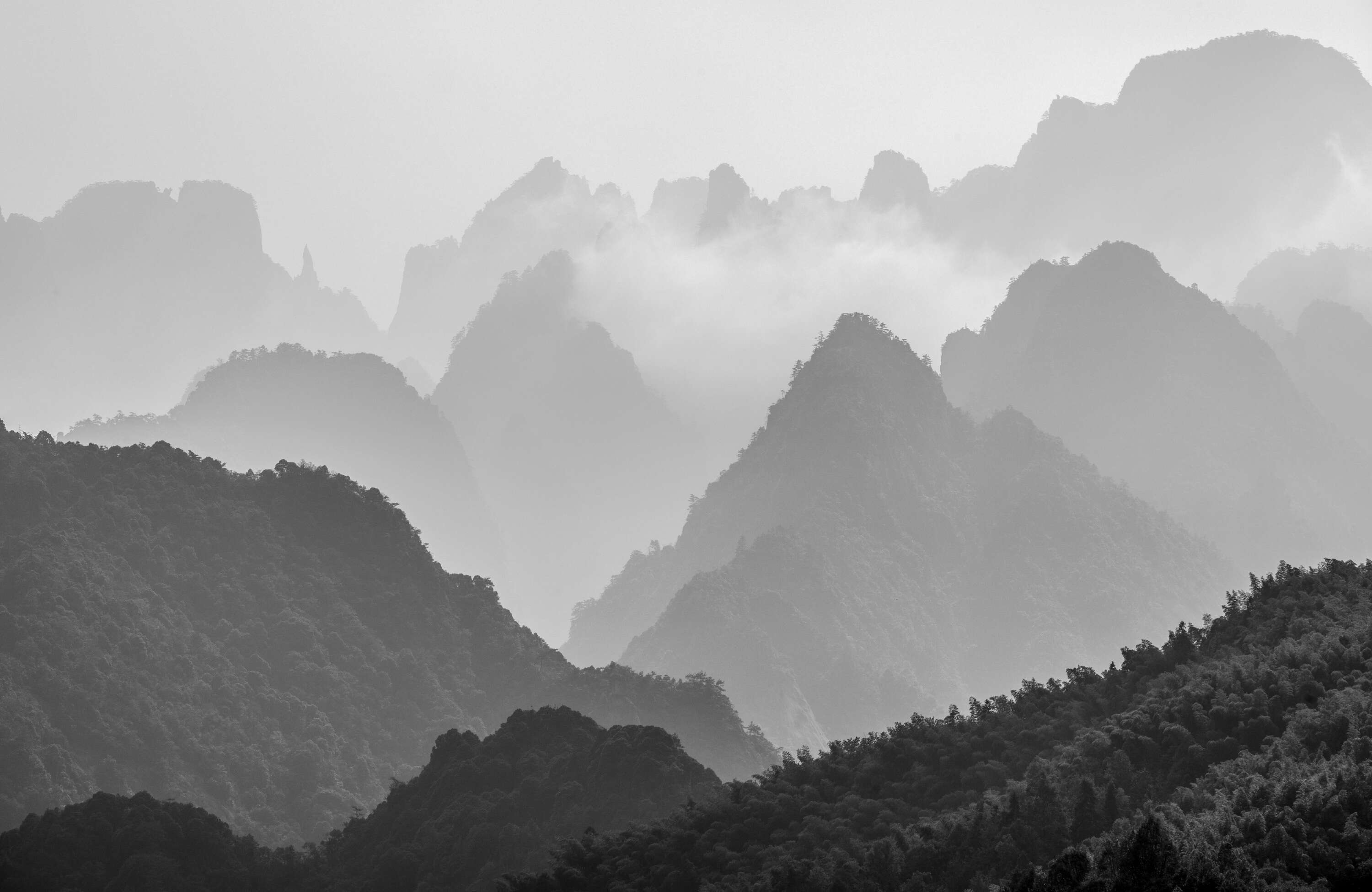
Yellow Mountain
Photographing China’s Landscape of Mist and Mountains
From the extraordinary skyline of Shanghai to the mist-shrouded granite peaks of Huangshan, this photography tour explores both the cultural landscape and one of China’s most celebrated natural environments.
Our journey begins among the architecture, waterfront and city lights of Shanghai before travelling west through the historic landscapes around Hangzhou and the ancient villages of Qiankou, Chengkan and Xucun. From there we ascend into Huangshan – the Yellow Mountain – where we spend four and a half days dedicated entirely to photography.
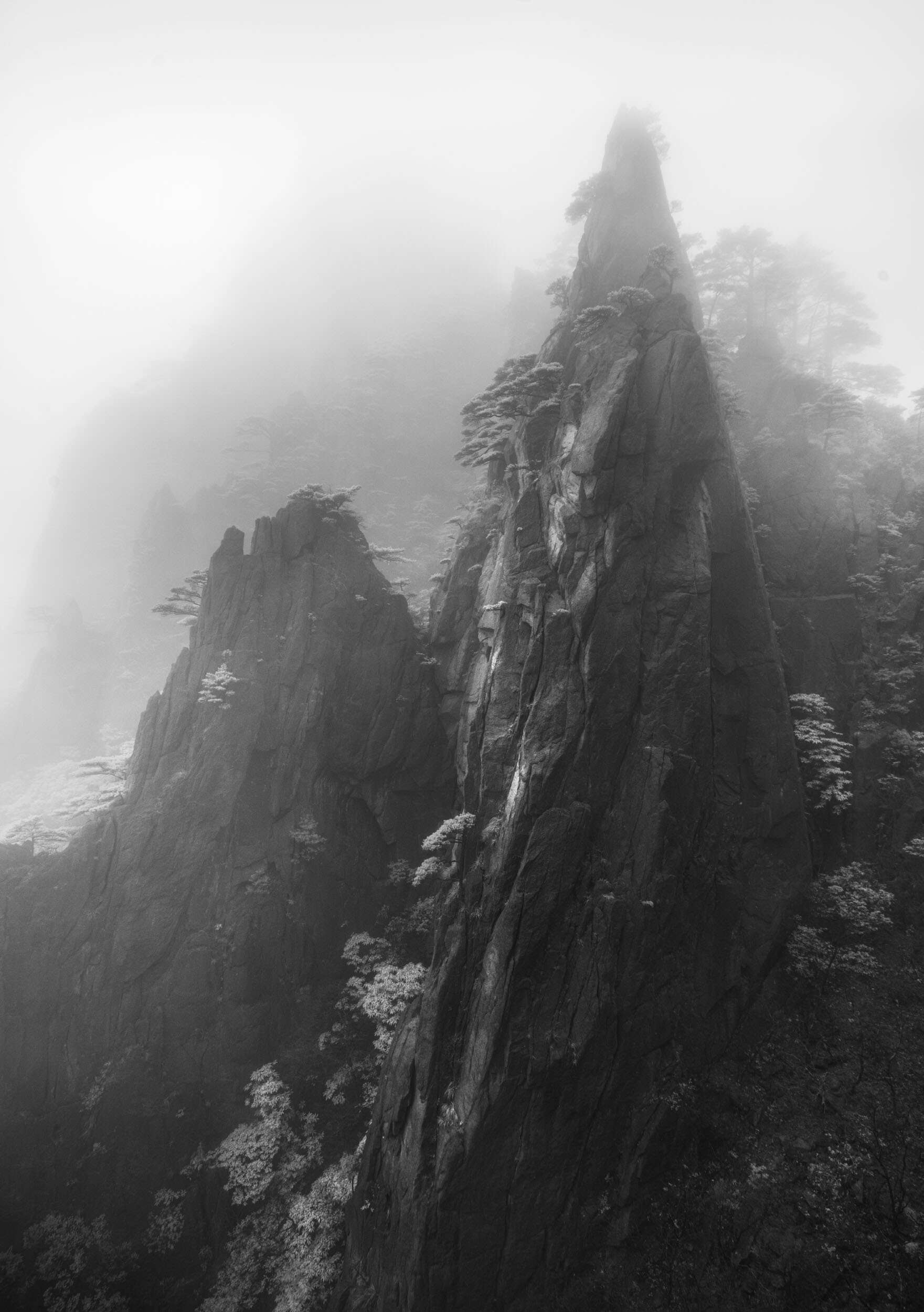
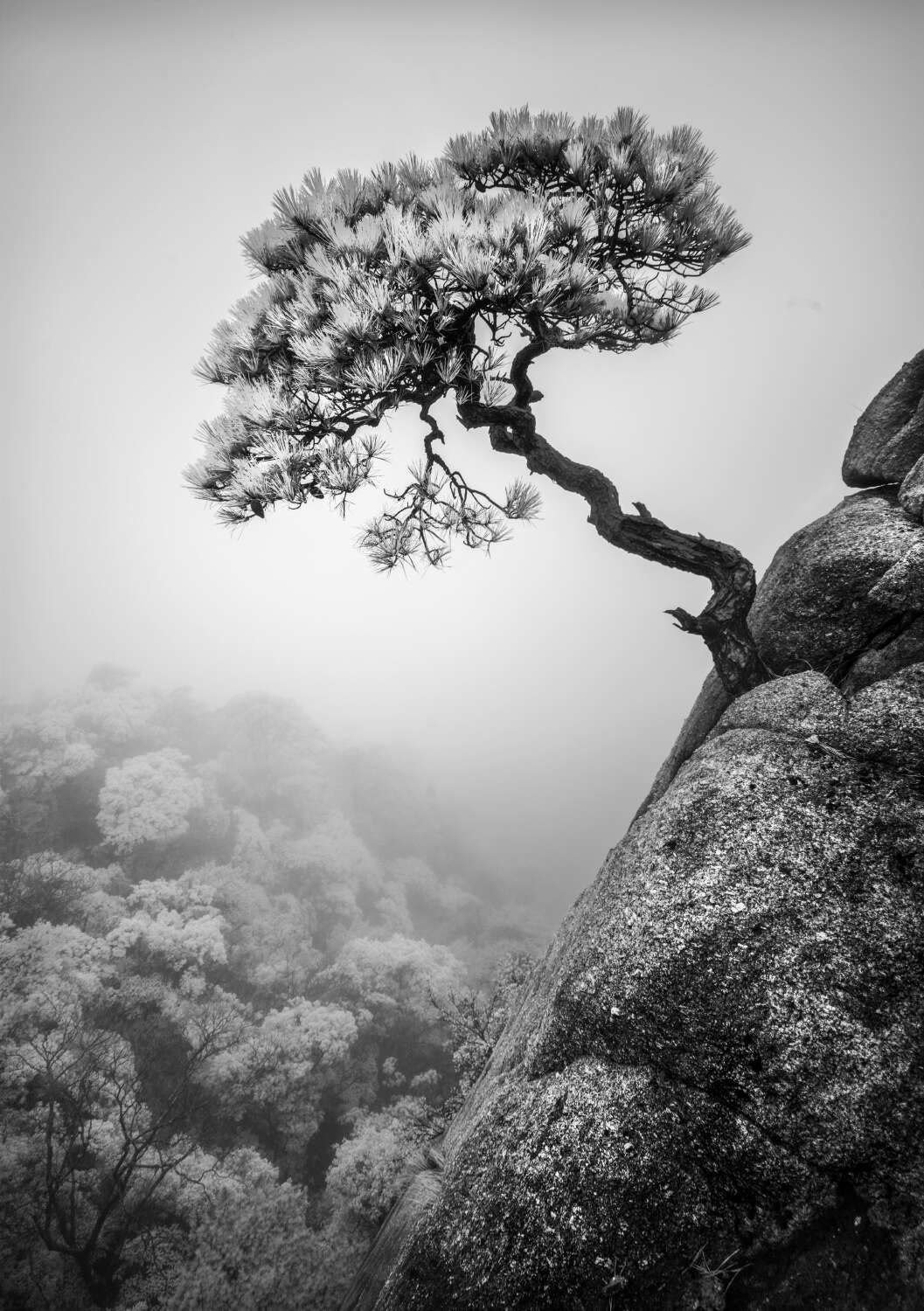
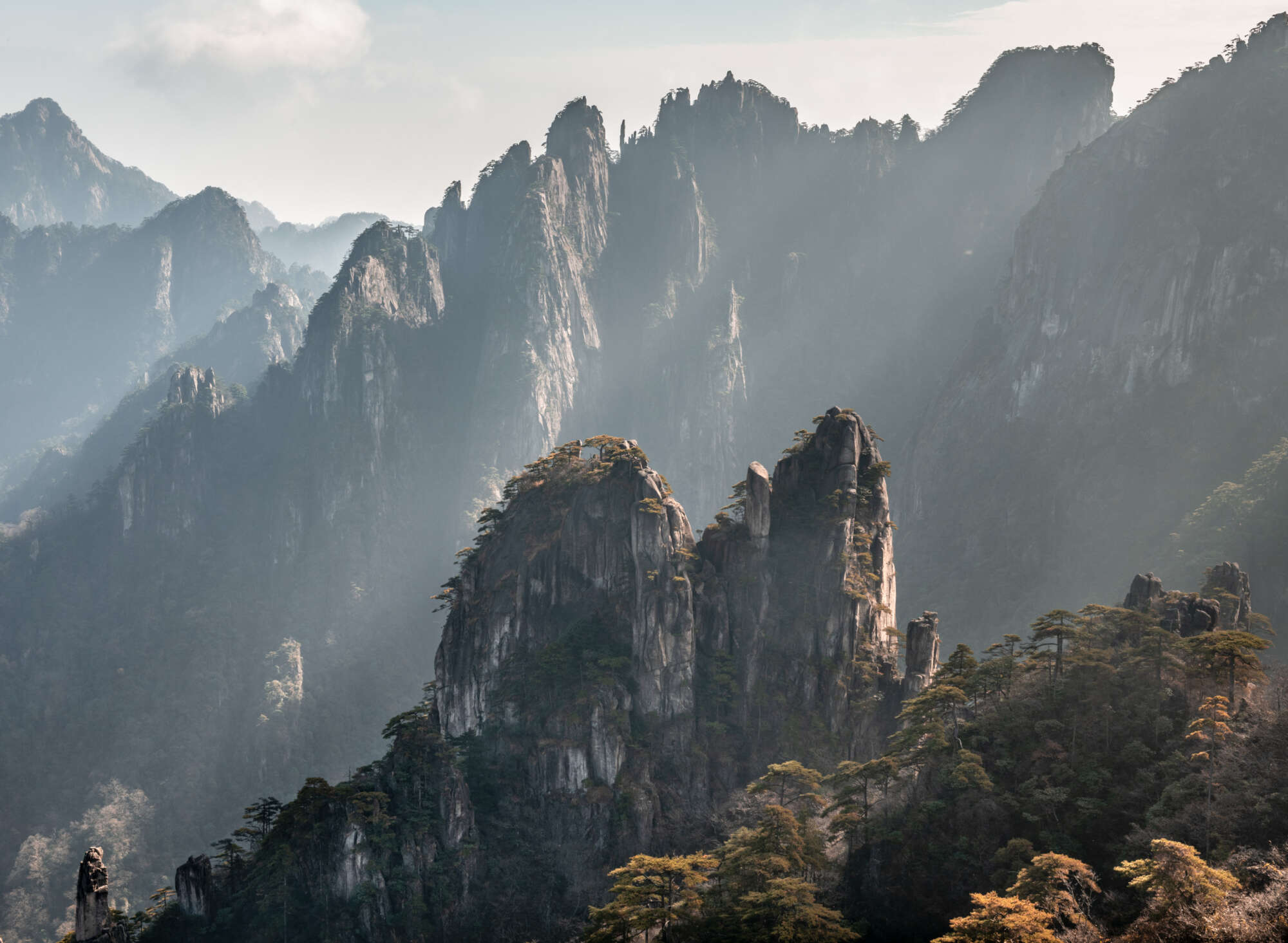
Here, granite peaks rise through drifting cloud, ancient pines cling improbably to exposed cliffs and constantly changing conditions can transform the landscape within minutes. It is a landscape that has influenced Chinese painters for centuries and offers a very different way of seeing and interpreting the natural world.
Rather than simply visiting Huangshan, we give ourselves time to experience it.
Why This Tour?
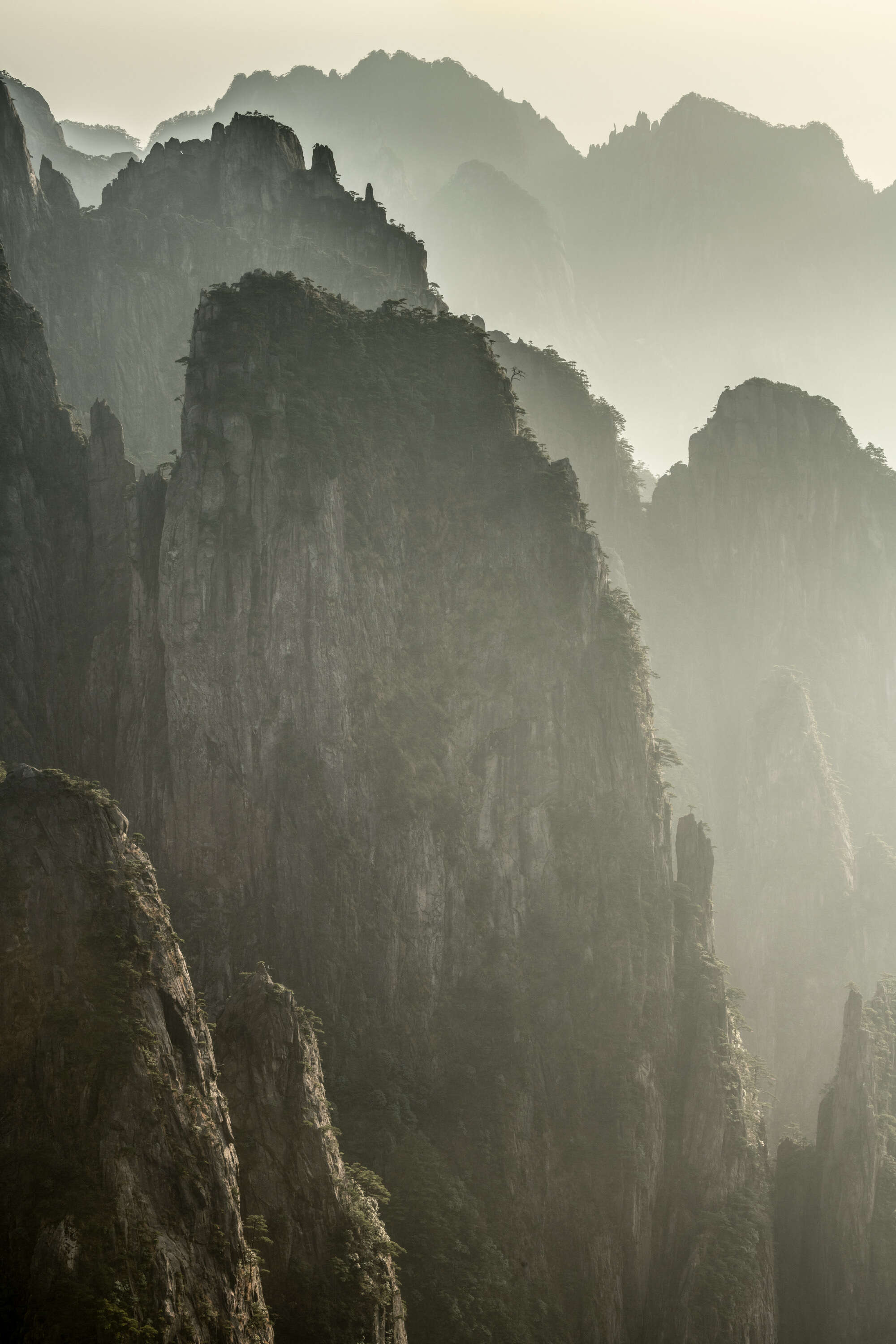
Yellow Mountain is one of those rare landscapes where the conditions are as important as the location itself.
Cloud, mist and changing light continually reveal and conceal the mountains. A viewpoint that appears relatively ordinary at one moment can be completely transformed a few minutes later. It rewards patience, observation and responsiveness – qualities that sit at the heart of good landscape photography.
For this reason, the tour spends four and a half days on the mountain itself. We stay in four different mountain hotels, allowing us to explore extensively and, importantly, to be close to different photographic locations when the light and conditions are at their most interesting.
The journey to Huangshan is equally deliberate. Shanghai, West Lake and the ancient villages provide very different photographic environments before we enter the mountains, making this a journey through contemporary, historic and natural China rather than simply a visit to a single location.
Photographic Opportunities
The tour offers an unusually varied range of photographic subjects.
We begin with the architectural contrasts of Shanghai’s Bund and the illuminated city skyline before moving to the quieter landscape of West Lake, with its water, temples, pagodas, gardens and willow trees.
At Qiankou, Chengkan and Lingshan, narrow streets, waterways, bridges, historic architecture and everyday village life provide opportunities to work more intimately and respond to the cultural landscape.
Huangshan then changes the photographic emphasis completely.
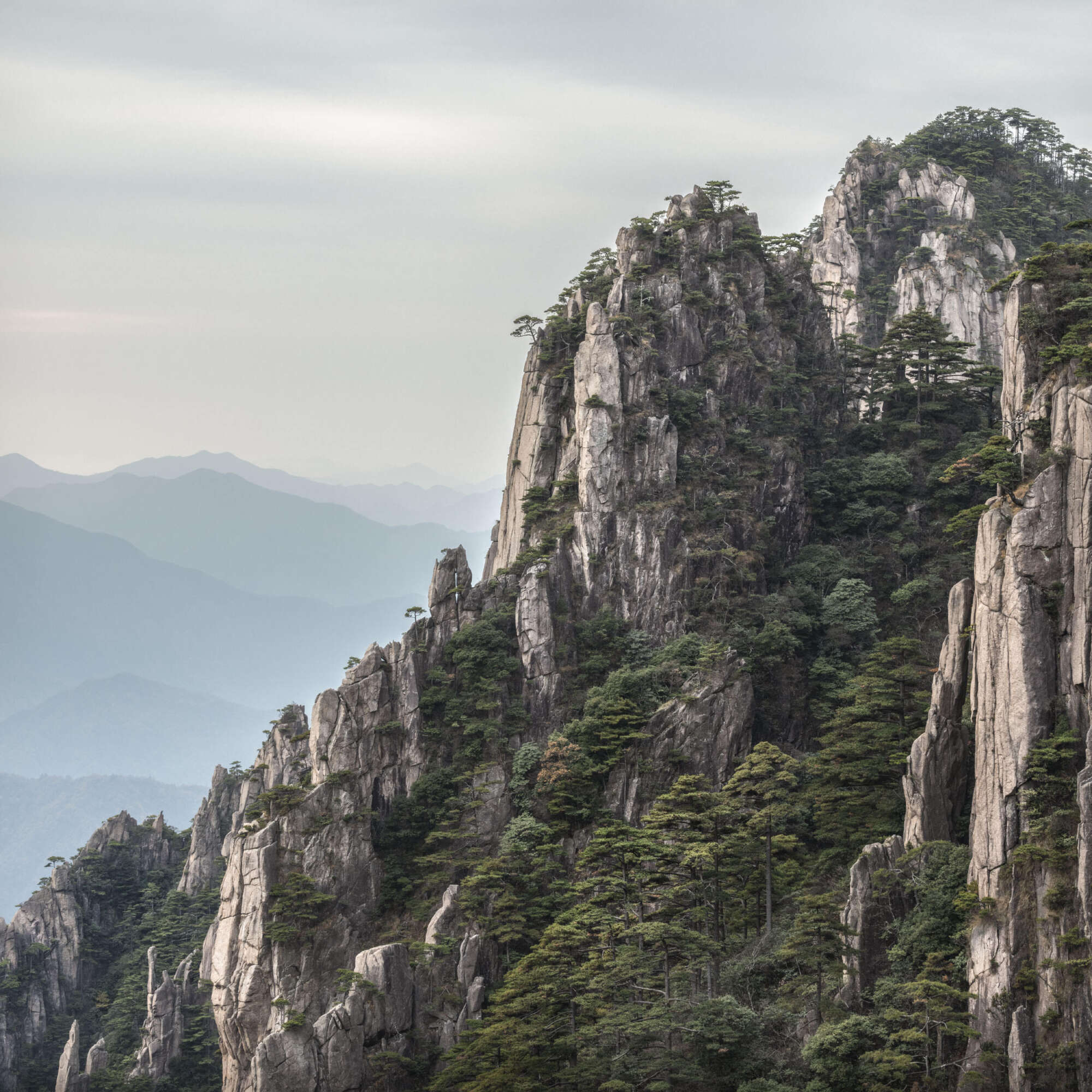
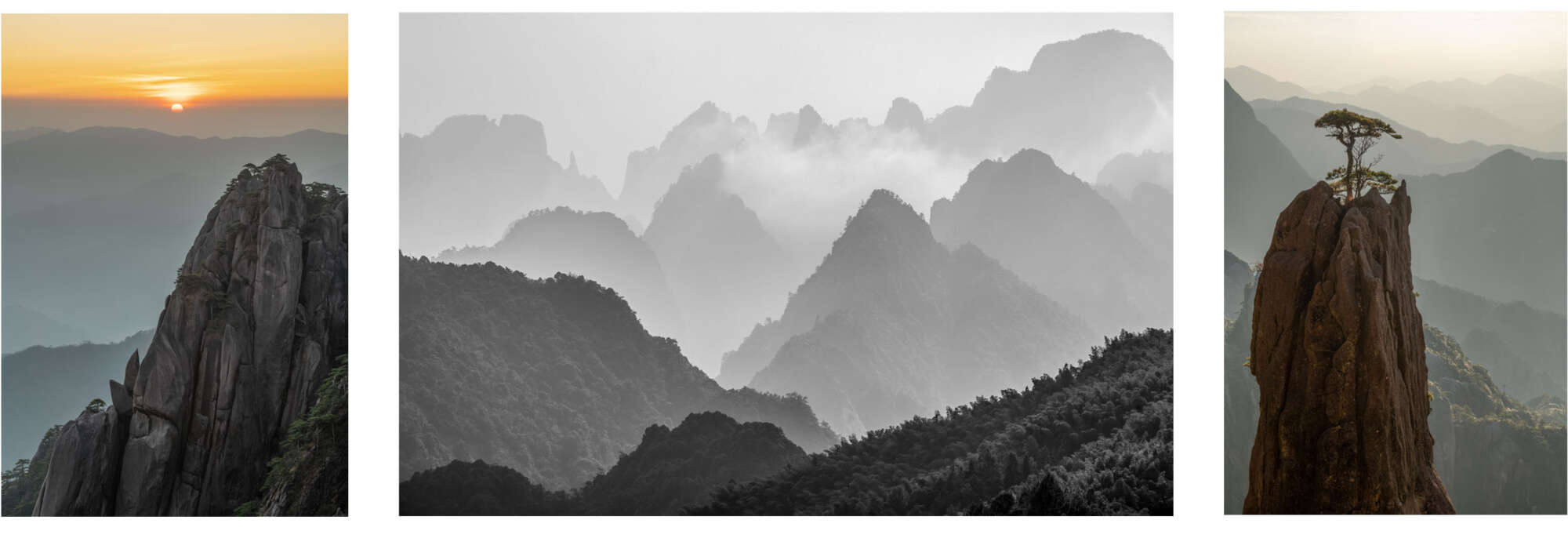
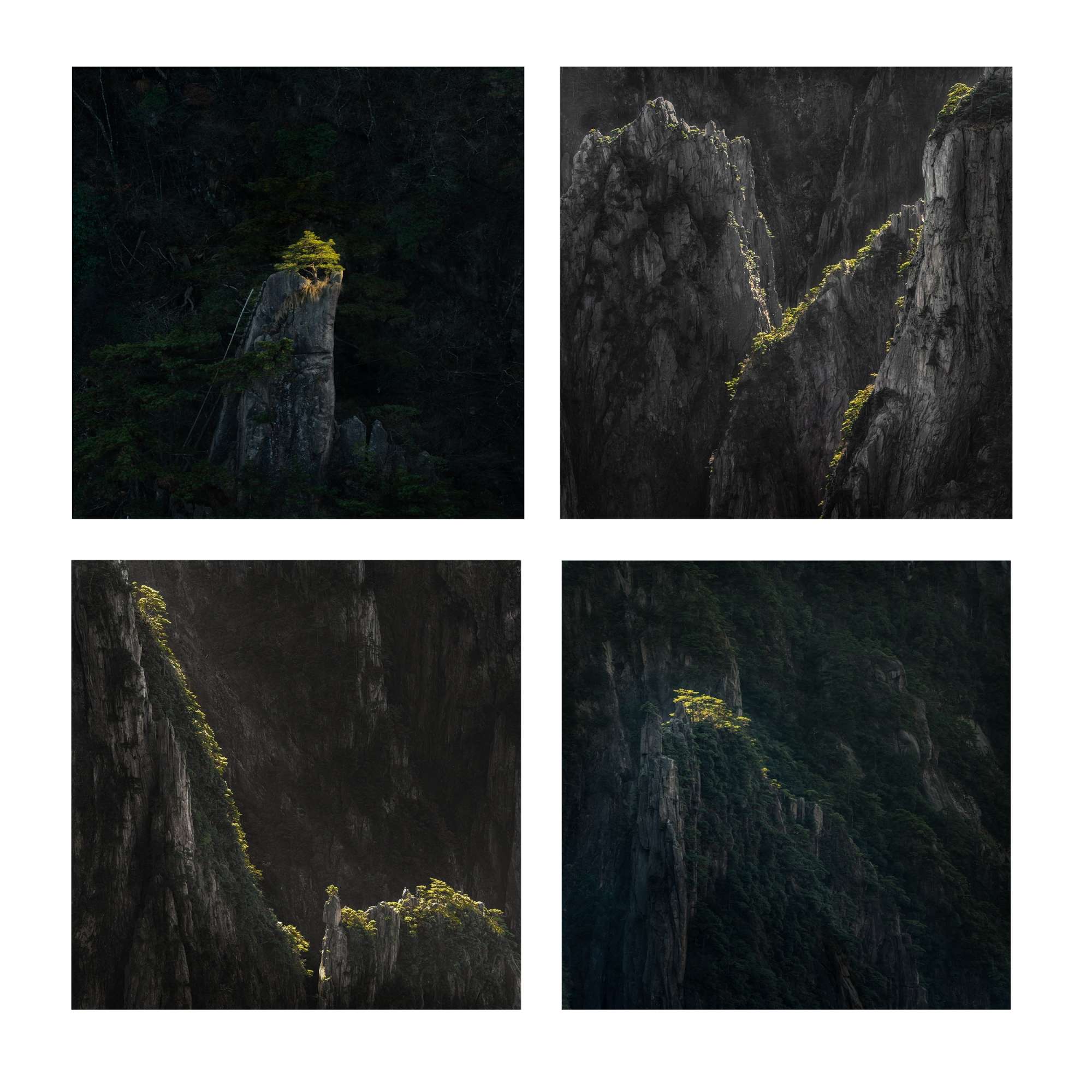
Sharp granite peaks, isolated Huangshan pines, drifting mist, cloud and rapidly changing mountain light create opportunities for everything from expansive landscape photographs to much quieter and more interpretive images.
The landscape does not always reveal itself immediately. Learning when to wait, when to move and when changing conditions have created something worth responding to becomes part of the experience.
Itinerary
Your tour will begin with Michael Pilkington and our guide meeting you at Shanghai. You will have the opportunity to photograph this amazing city and we will explore the ‘Bund’ which is the waterfront that hugs the west bank of the Huangpu River and boasts architecture in Baroque, Gothic, Romanesque, Chinese and Renaissance styles. No visit to Shanghai would be complete without photographing the city skyline at night! On this night we stay in Shanghai.
After enjoying the delights of Shanghai leave the city lights behind and head for the world famous West Lake in Hangzhou. This beautiful freshwater lake has influenced poets and painters throughout Chinese history and is home to numerous temples, pagodas and ornate gardens with willow trees.
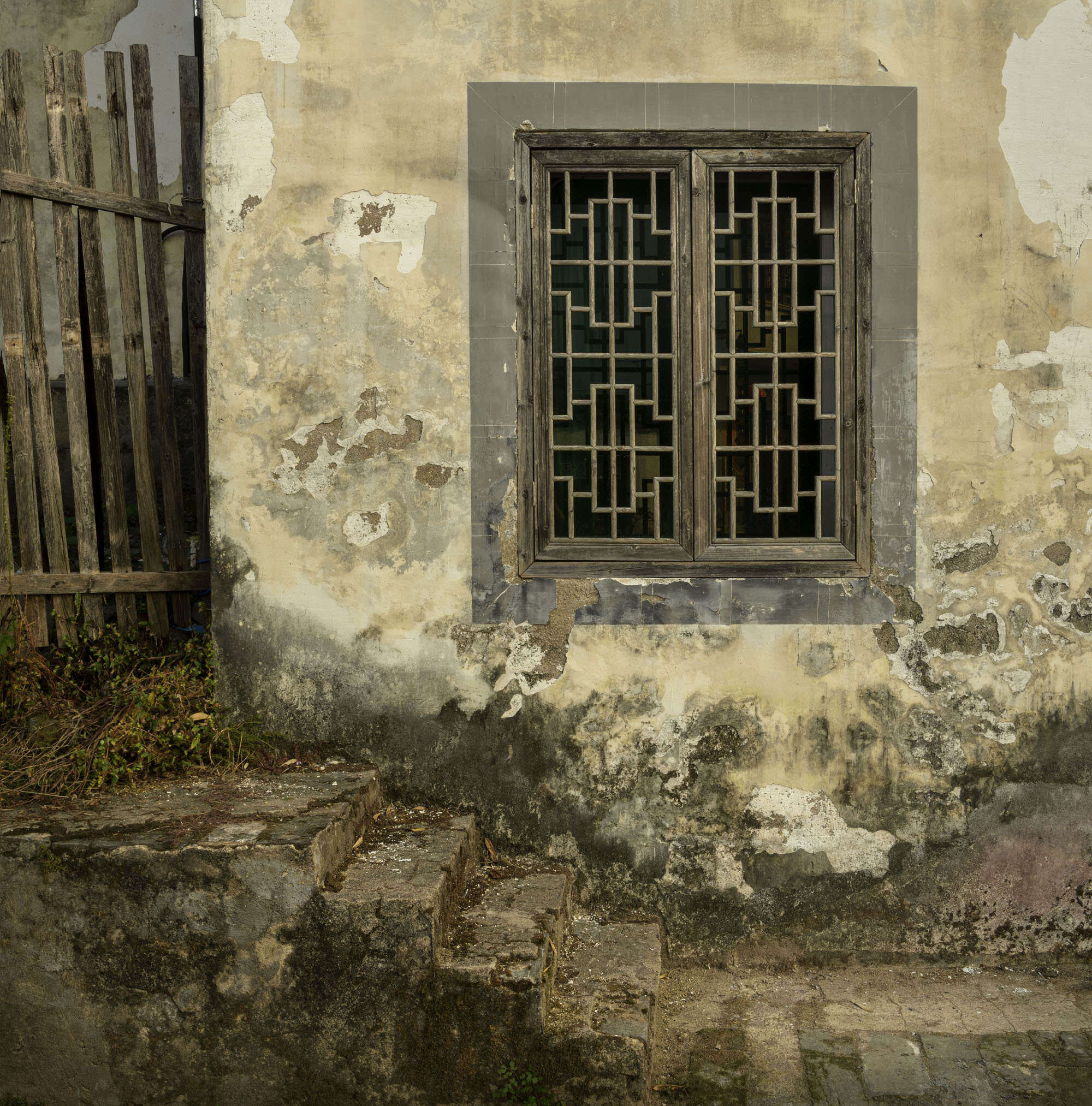
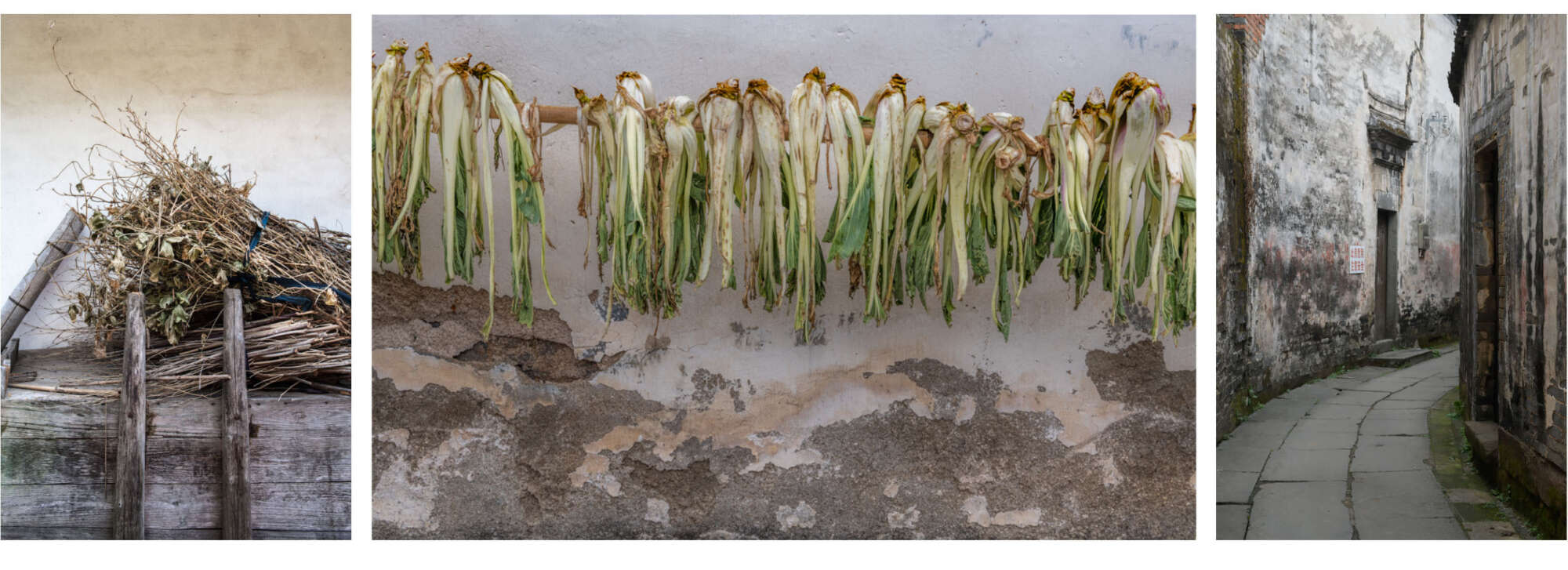
Our adventure continues by moving further towards the Yellow Mountain and on route we visit two world famous ancient Chinese villages, Qiankou, Xucun and Chengkan. These fascinating villages are an ancient complex of architecture dating back to the Ming (1368 ‑1644) and Qing (1644 ‑1911) dynasties. Both villages are an intricate maze of tiny streets and alleyways never too far from waterways with bridges leading to beautiful gardens. This day will be an opportunity for you to immerse yourself into real Chinese ancient culture.
We begin our next day with a short journey to Lingshan which is a Hui-style ancient village surrounded by vast bamboo groves in the immediate foothills of the Yellow Mountain. Bamboo is an integral part of the villagers lives and bamboo crafts can be seen everywhere. After lunch we make our way to the base of the Yellow Mountain and take the cable car up to our first hotel up on the mountain.
Over the next four and a half days we will dedicate our time entirely to photographing the staggeringly beautiful Huangshan or ‘Yellow Mountain’ area. This is an area of high sharp granite peaks jutting out of the mists and famous for its hardy Huangshan Pines that grow precariously into cliffs edges over 1500 meters up. From here we will be taking our time and walking the well paved mountain paths to some of the most unimaginable mountain scenery anywhere in the world. Because our elevation the light and conditions change constantly. The clouds arrive and move through creating amazing views of the mountains and trees. During the evenings light mists veil the peaks creating scenery that has influenced Chinese painters for centuries.
After our time of Yellow Mountain, we take the cable car back down and make our way to Old Town Huangshan to spend the evening immersed in this town’s ancient Chinese culture with its lattice of narrow streets lined with fascinating shops and incredible restaurants.
The following day we will be taken to the train station and experience the world-famous bullet train back to Shanghai ready to catch our return flights home
This mountain area and World Heritage Site covers 154 square kilometres and the best known mountains are Lotus Peak, Bright Summit Peak and Celestial Peak all of which reach just less than 2000 meters. We will explore the Grand Canyon and take the cable car above the mists to the summit viewpoints of Beginning-to-Believe Peak, Purple Cloud Peak and Tiandu Peak. During our time on the mountain we will be staying in four individual hotels on the tops of the mountains which will enable us to explore the area extensively and be in the best vantage points at the right time of day.
How You’ll Develop as a Photographer
Although this is a photography tour rather than a formal retreat, learning and photographic development are integral to the experience.
Michael will work alongside you in the field, helping with composition, technique and the practical challenges presented by the locations, but also encouraging you to think beyond simply recording what is in front of you.
In a landscape such as Huangshan, this can mean responding quickly when conditions change, but it can equally mean slowing down and waiting for the landscape to simplify itself.
The aim is not to tell you what photographs to make. It is to help you recognise possibilities, make more considered decisions and develop greater confidence in your own photographic response.
Our Aim
Our aim is that you return with much more than a collection of photographs of remarkable places.
We want you to experience and photograph a part of China that offers enormous visual variety, while also having the time and support to explore your own way of responding to it.
Huangshan in particular provides an exceptional environment in which to explore atmosphere, simplification, timing and personal interpretation – ideas that can continue to influence your photography long after the tour has finished.
Is This Tour For You?
This tour is intended for photographers who enjoy travelling specifically to make photographs and who are comfortable allowing conditions to influence what they photograph.
You do not need to be an advanced photographer. Michael will provide guidance appropriate to your level of experience throughout the tour.
You should, however, enjoy spending time outdoors and be comfortable walking mountain paths while carrying your photographic equipment. Huangshan is mountainous terrain at elevations approaching 2,000 metres, although the principal paths are well paved and cable cars provide access to parts of the mountain.
Perhaps most importantly, you should be prepared to be patient. Some of the finest photographic experiences on Yellow Mountain occur when we allow the landscape and conditions to dictate the photograph rather than arriving with a predetermined image in mind.
Beyond the Destination
Yellow Mountain is spectacular, but spectacle alone does not necessarily make meaningful photographs.
The constantly changing relationship between mountains, trees, mist and light encourages a more responsive approach to landscape photography. Sometimes the challenge will be deciding what to include; at other times it will be recognising what can be left out.
We hope that you leave China not only with photographs of an extraordinary landscape, but with a greater ability to observe, wait and respond – and with ideas that you can take into your photography wherever you work next.
10 Days
1 leader with an English speaking guide and a maximum of 8 participants
Moderate - On the mountain will involve walking up steep steps so a moderate level of mobility and fitness is required. We will not be walking long distances, but it will involve assents and descents though these are on well maintained steps and footpaths.
Various hotels
The price includes extensive one to one tuition during the workshop, accommodation, dinner and breakfast. English speaking guide. No single occupancy supplement. Travel during the workshop including minibus, entrance fees to national parks and other tolls. Luggage transportation on the mountains.
Travel to and from the location and personal bills such as bar bills, meals not listed. Travel and camera Insurance. Tips and gratuities.