
Discovering Expressive Photography
Retreats

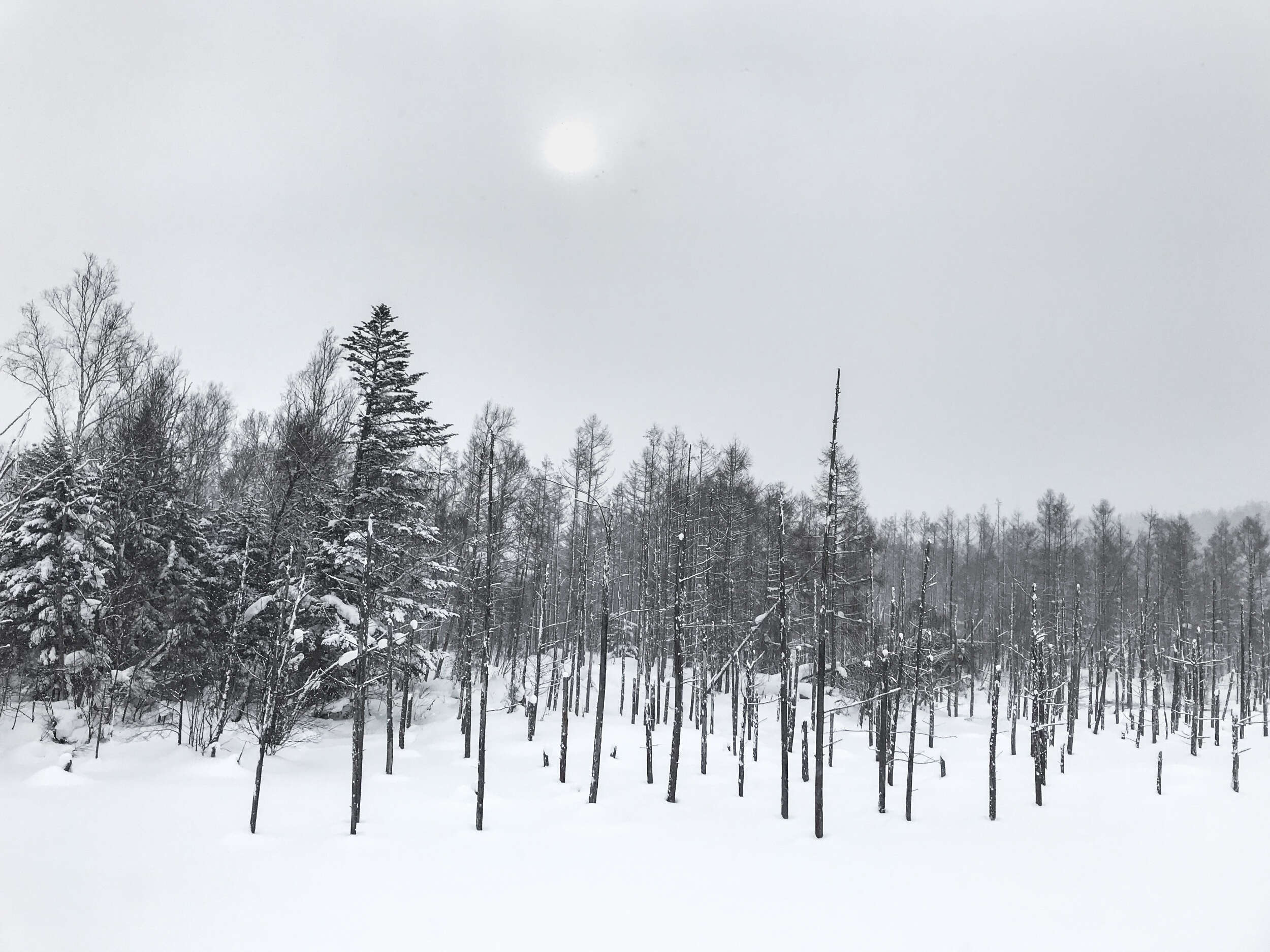
Michael Pilkington
I have just returned from a workshop retreat in Wester Ross, on the west coast of Scotland. The objective of this workshop was to explore a few locations and create a portfolio of printed work that defined the visual interpretation of the photographer for the place.
One of our clients was mainly using an iPhone for this, and I was interested in what would be achieved. My interest has been piqued a few times in the past, and I use my own iPhone extensively, mainly as a teaching aid. As a teaching aid, it can be used to demonstrate different compositions and even some post-processing. I also recommend it as an aide-mémoire for colours and lighting for the image you will be taking with your main camera. When capturing an image, we are sometimes forced to over- or underexpose due to prevailing lighting conditions, and it can be difficult to remember these factors when editing your images some weeks or months later. Reference to the phone image can remind you of the intensity of the light, the depth of the shadows and the colours. It is a reasonable reference as you assess the raw file in post-processing.
You always have your phone with you. There’s that old saying, ‘What is the best camera?’ Answer — ‘the camera with you’. Whatever you see, wherever you are, you have your camera phone to hand. You can experiment freely, be creative, and be curious as to whether a scene or composition might work. When travelling with my DSLR and before getting it out of the bag, I will wander around, looking, trying to see suitable candidates to capture and start to assess potential compositions. Without the perceived seriousness of a larger camera, there is often a greater willingness to experiment, respond instinctively and photograph more freely.
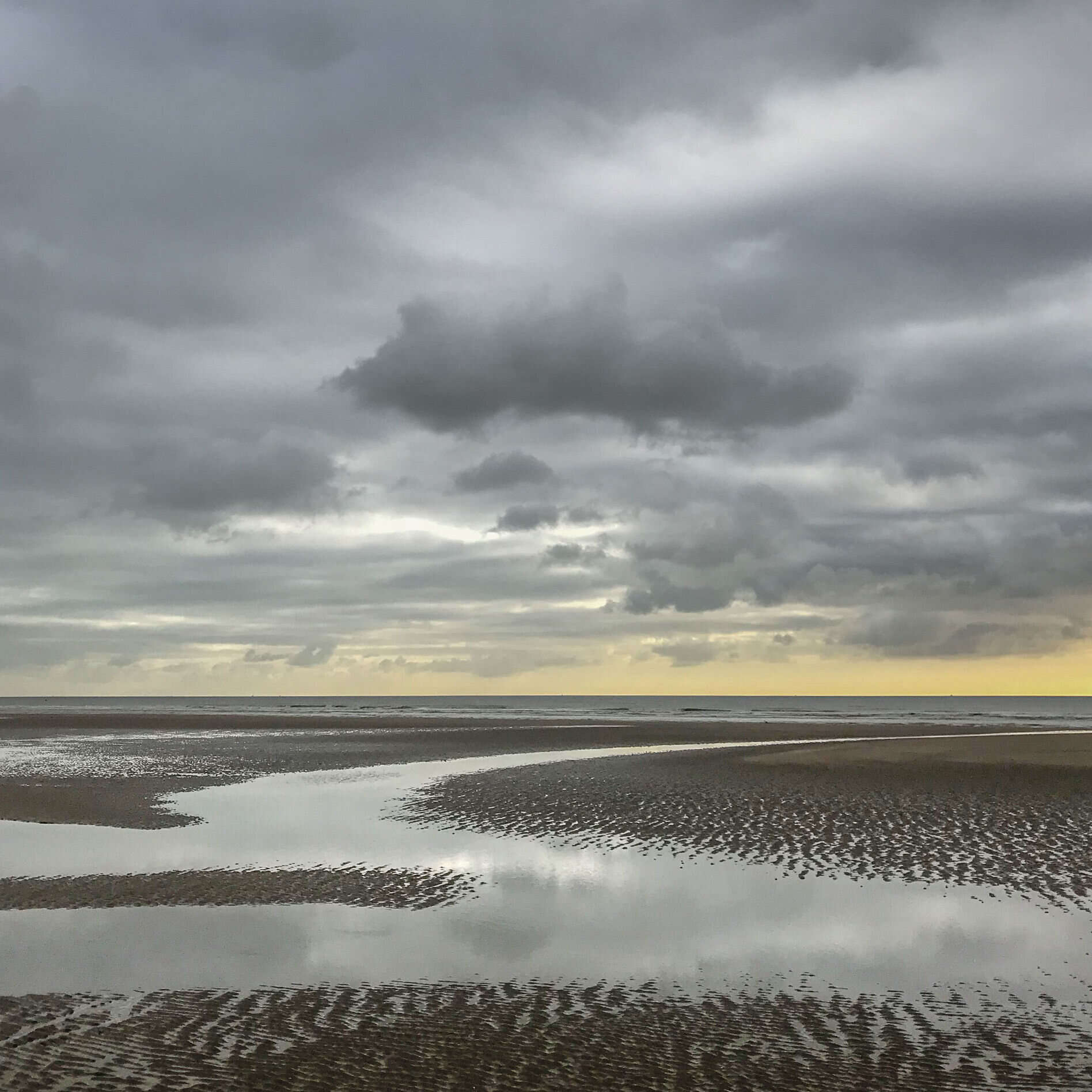
There are technical limitations to smartphones compared to larger camera systems, but these don’t always matter. Perhaps, more importantly, they encourage different kinds of photographic engagement. Perhaps one of the best features of using a phone is the different apps that you can employ. I have been inspired by many multiple exposure images that I have seen in the past few years and have taken it upon myself to learn the techniques and experiment. On my DSLR, I have some capabilities to do this, but on the phone, I have far more sophisticated options available to me. I can use many more blending modes, enlarge, reduce or rotate images, and use any photo ever taken on my phone and incorporate it into the final composite. There are apps that allow you to take long exposures and shoot in Raw if your smartphone does not offer this capability. In short, a camera-based phone allows you to be responsive and spontaneous. It allows creative experimentation, quickly and easily.
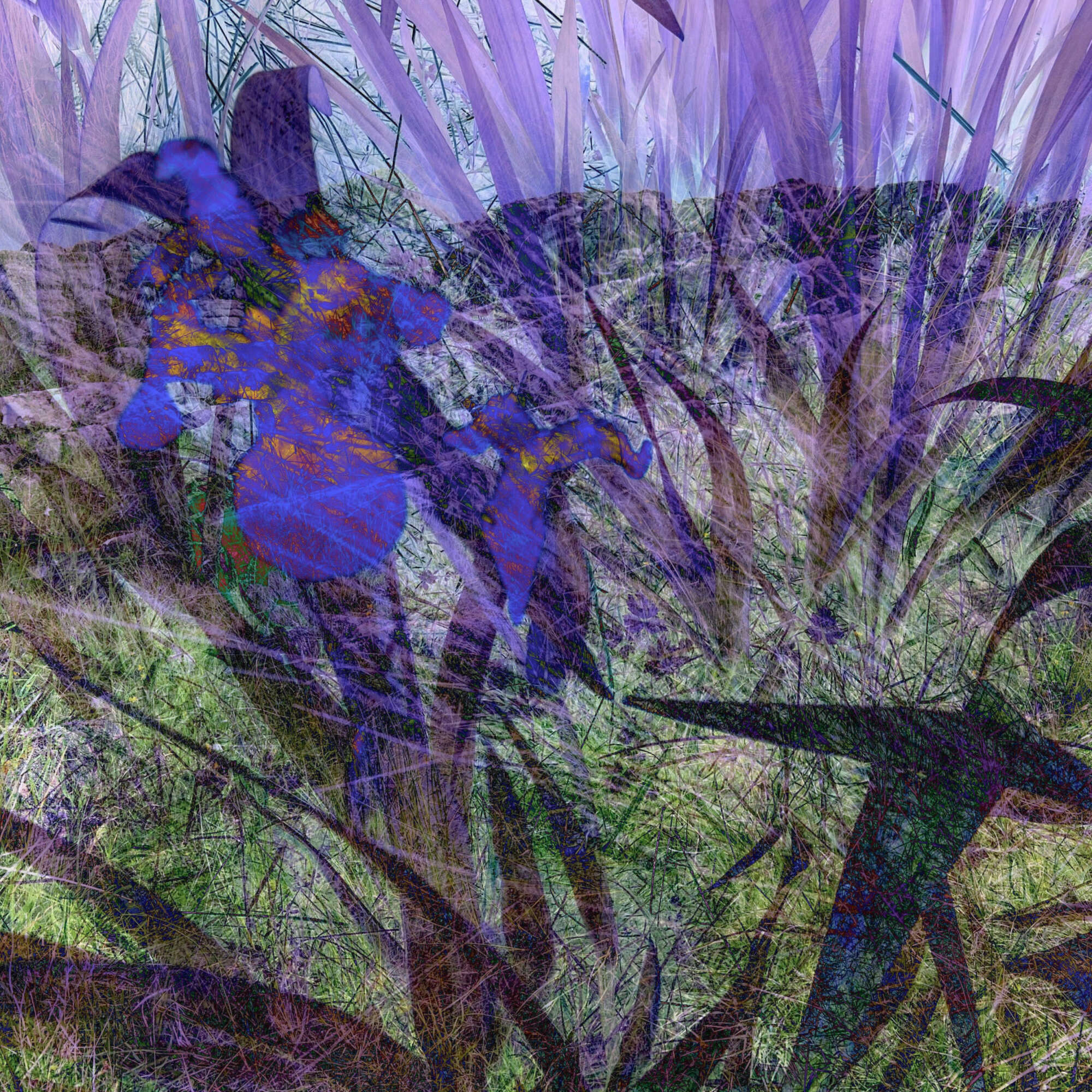
Back to the workshop retreat I mentioned earlier. The culmination of this was the creation of a number of prints to create a portfolio of work. The phone files used were multiple exposures and were, I have to say, very impressive. The resulting prints were excellent. You would be hard-pressed to tell what sort of camera they were taken on. More importantly, what mattered most was not the camera that had been used, but the photographer’s way of seeing and willingness to experiment.
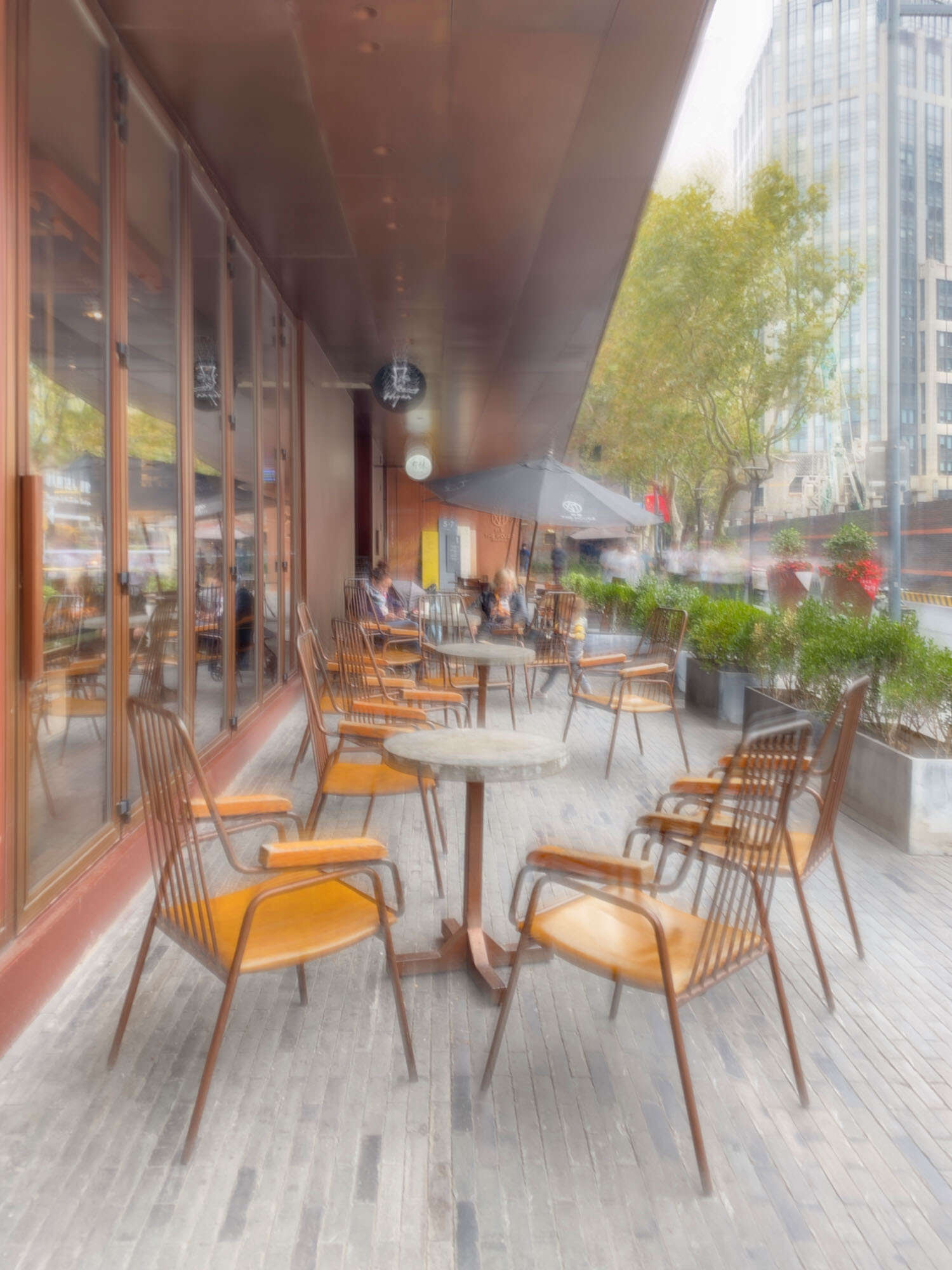
So, in conclusion, the real revelation is not that phones are becoming more capable, but that they encourage a different relationship with photography — one built around immediacy, experimentation, and responsiveness. Of course, spontaneity alone does not create meaningful photographs, but the freedom offered by a smartphone can encourage forms of experimentation that eventually lead to more personal ways of seeing. Like any tool, however, the ease of smartphone photography can encourage superficial image-making if experimentation is not accompanied by reflection and intent.

