
Finding Your Voice in Landscape Photography
Article


Michael Pilkington
Education in landscape photography has never been more accessible. Thousands of videos, articles, presets and tutorials promise better compositions, better processing and more dramatic results. Technical knowledge, once difficult to acquire and often found in the pages of books, is now available almost instantly online.
This is, in many ways, a great thing. Competence and confidence matter. Understanding exposure, composition, field craft and editing tools provides photographers with the ability to realise their ideas with clarity and control. Without these foundations, creativity can easily become frustration consuming attention and a distraction from the creative process — simply put, the final image.
Yet despite this abundance of information, many photographers eventually encounter a more difficult question. Why, despite improving technically, do their photographs still feel disappointing or uninspiring?
For some, this emerges as repetition. Images become technically polished but emotionally empty. For others, it appears as uncertainty. They can recognise strong photography in the work of others but struggle to understand what makes their own work feel personal or meaningful. Some find themselves trapped between imitation and experimentation, moving from style to style without ever developing a clear sense of direction.
At this point, the conversation begins to change.
The question is no longer simply: “How do I make better landscape photographs?” It becomes: “What am I trying to say through my photography?”
That shift changes everything.

At aspect2i, we believe photographic development extends far beyond technical competence alone. We still teach the fundamentals of photography and image editing, because these things matter deeply. Field craft, composition, light, tonal control and printing are essential skills. We are experienced practitioners, master printers and long-standing educators who have spent decades refining both our own photography and our understanding of how photographers develop.
But we also believe that meaningful photography emerges from something deeper than technique. We believe the final image is best derived from intent.
Not intent as a rigid concept or intellectual exercise, but as clarity. A growing understanding of what draws you to a subject, what connects you emotionally, and what you wish the image to communicate or evoke in the viewer. Intent influences not only what we photograph, but how we photograph it. It shapes lens choice, framing, timing, atmosphere, editing and presentation. It affects what is included, what is excluded and ultimately what gives an image coherence and resonance.

This is where traditional photographic education and what you may discover on YouTube often stops.
Many landscape photography courses understandably focus on the “how”. How to expose correctly. How to sharpen effectively. How to use masks in software. How to process skies. How to improve composition. These skills are all important and should be honed. They provide the basic foundations through which photography is expressed.
But technical competence alone does not necessarily lead to personal or meaningful work.
Many photographers become highly capable yet still feel disconnected from their images. They know how landscape photographs are constructed but remain uncertain about why certain images matter more than others. The result can be a kind of photographic plateau where progress becomes increasingly difficult despite continued effort.
In our experience, this often happens because photography is not only technical, it is interpretive. The camera records the landscape, but the photographer decides what the photograph is about. Two photographers can stand in the same location, under the same conditions, using similar equipment, and produce entirely different photographs. Not because one understands exposure better, or other technical aspects, but because they are responding differently to the landscape itself. One may be drawn to atmosphere and ambiguity, another to structure and balance, another to gesture or emotion. These responses are not accidental. They emerge gradually through experience, reflection, and self-awareness.
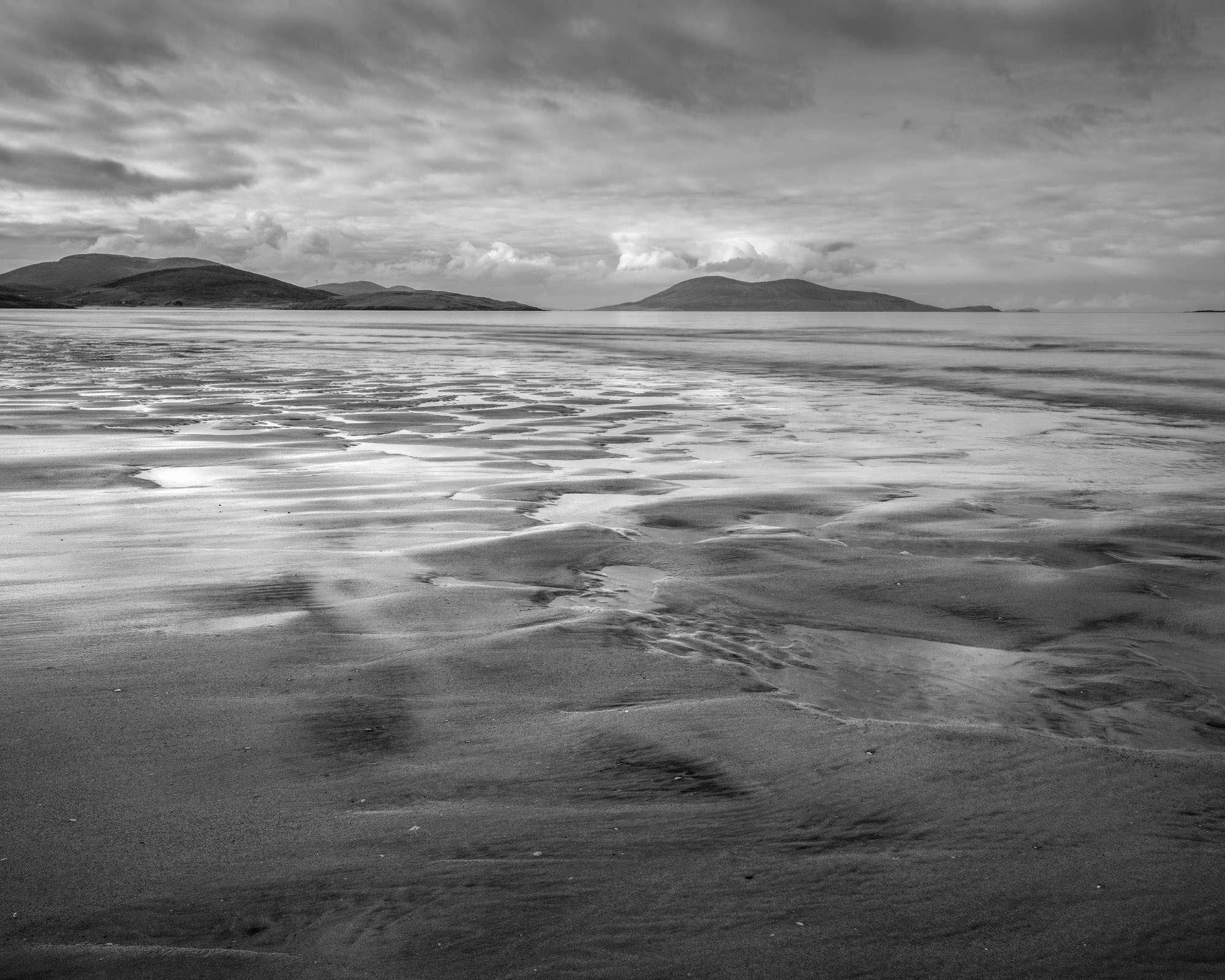
This is why we believe photographic development is not simply the accumulation of technical knowledge. It is the evolution of perception, judgement, and intent.
Most photographers begin under the influence of others. This is entirely natural and necessary. We all absorb visual ideas from photographers we admire. Over time, however, intuition begins to emerge. We start responding more instinctively to certain subjects, moods, forms or qualities of light. Eventually, for some photographers, there develops a clearer sense of intent. Decisions become more purposeful. Editing becomes less about enhancement and more about clarification. The work begins to feel more coherent borne of a personal communion with the subject.
This process cannot be reduced to formulas or pre-sets.
It develops through practice, reflection, and meaningful engagement with photographs, both our own and those of others. It requires space to question not only how images are made, but why they are made in the first place.
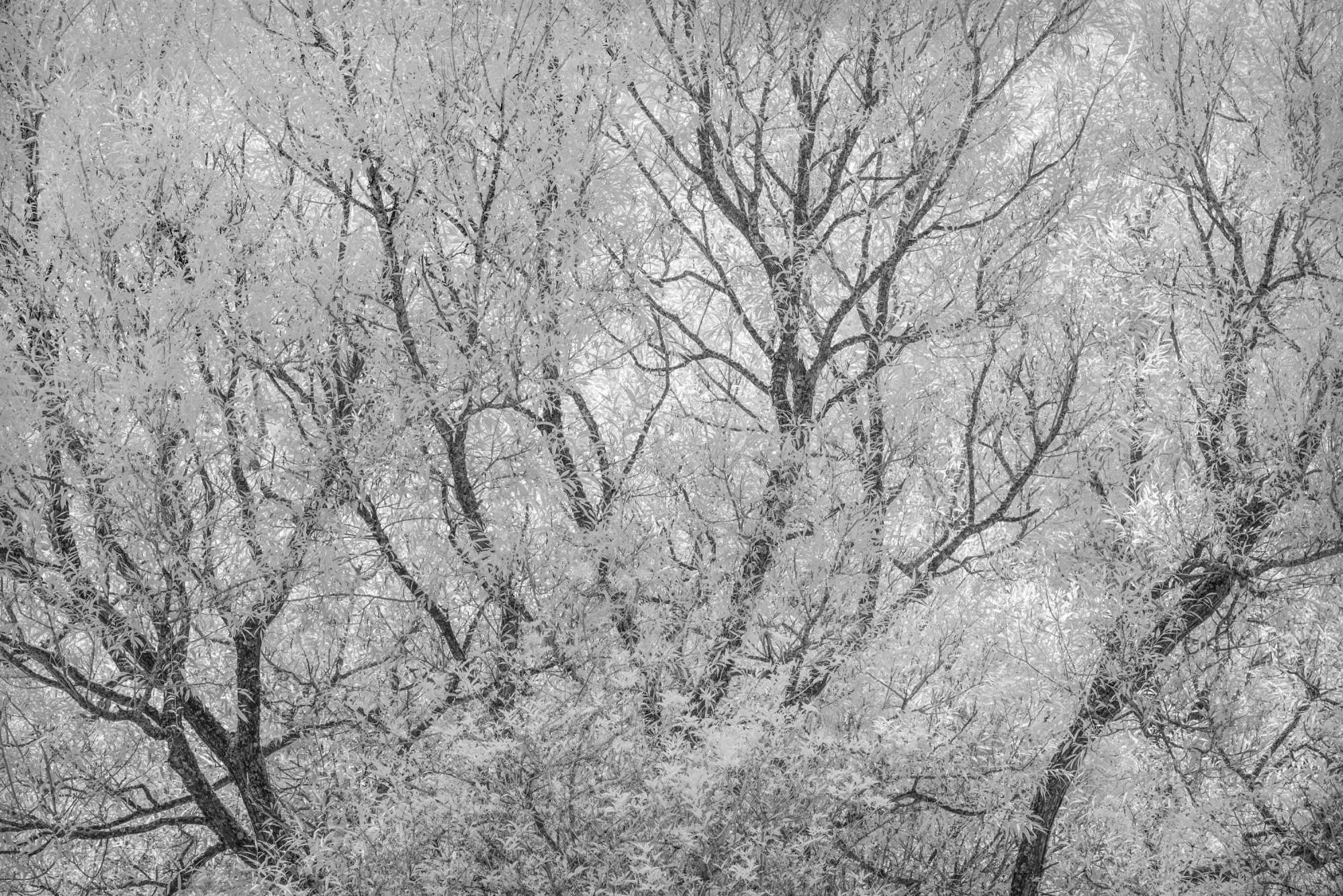
This philosophy strongly influences how we teach.
We are not interested in software demonstrations alone, nor in creating dependency on rigid workflows or formula-driven approaches. Good editing is not about applying effects. It is about realising the potential of the raw file, clarifying the original intent behind it, and bringing this to life.
We often describe editing as clarification rather than correction.
The strongest edits rarely transform an image into something it never was. Instead, they strengthen relationships already present within the photograph. They guide attention, nurture connection, and help the image communicate more clearly. This is why understanding intent matters so much. Without it, editing can easily become directionless, excessive, or contradictory.
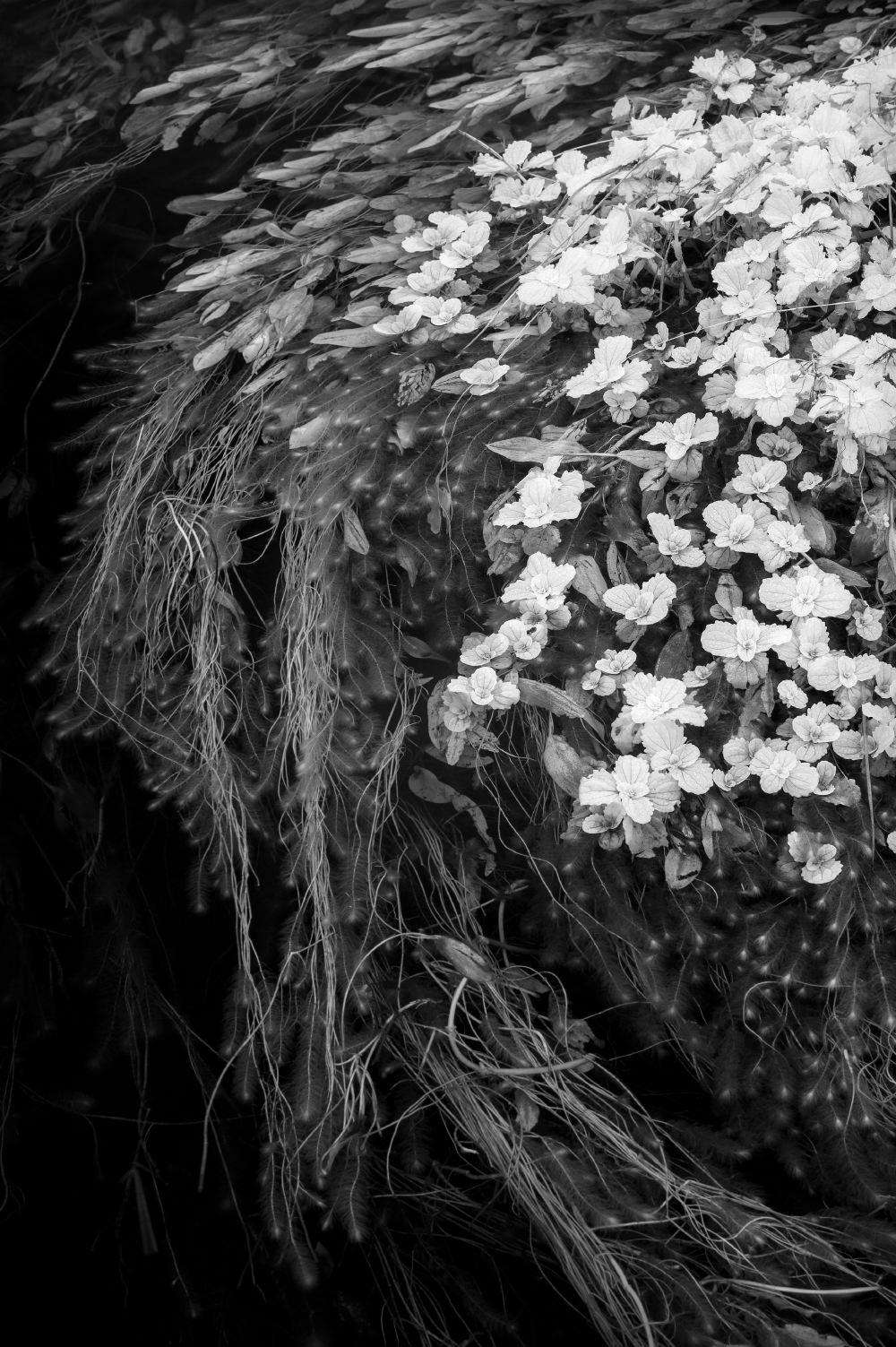
In many ways, the final image begins long before the shutter is pressed.
A photographer with clear intent often photographs differently. They become more selective, more attentive and more responsive to subtle qualities within the landscape. Observation becomes deeper. Familiarity becomes valuable. Rather than constantly searching for novelty, they begin to explore places, light and subjects with greater patience and sensitivity. In a sense, they are making photographs with innocent eyes.
This is particularly important in landscape photography.
The landscape is not simply a backdrop waiting to be recorded. It is something we engage with emotionally and psychologically as well as visually. Some photographers are drawn to drama and scale, others to quietness, intimacy or ambiguity. Learning to recognise and trust these responses is an important part of development.
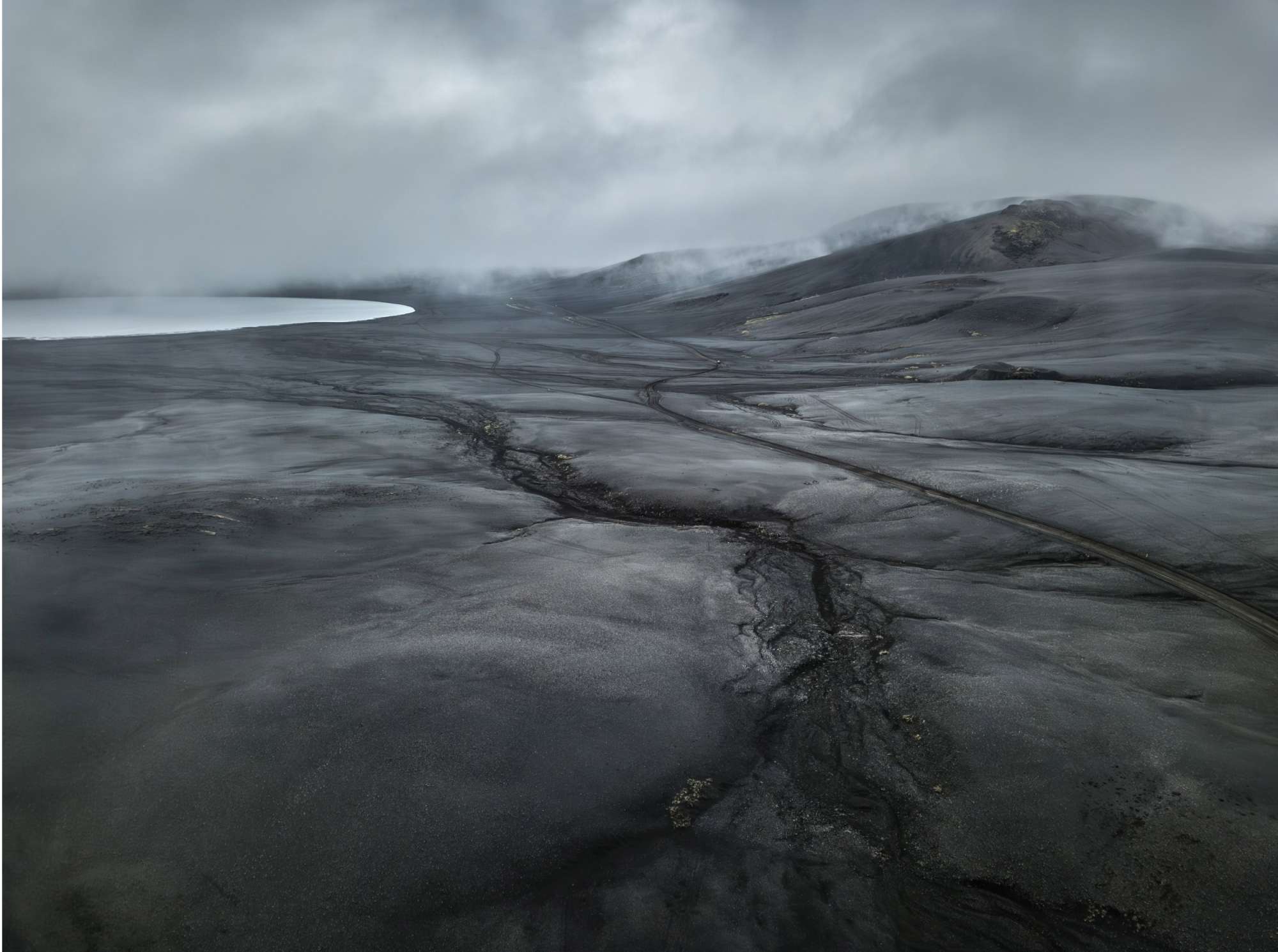
This is also why we place such importance on small-group teaching, mentoring and immersive learning experiences. Photography education is not just about learning skills, it is about development and learning about you.
Real development rarely happens through passive consumption alone. It emerges through dialogue, reflection, critique and sustained engagement with photography over time. In small groups, conversations become more meaningful. There is space for individual attention, honest discussion and deeper exploration of personal direction. Through mentoring and tuition, photographers can begin to understand not only how they work, but why they work the way they do.
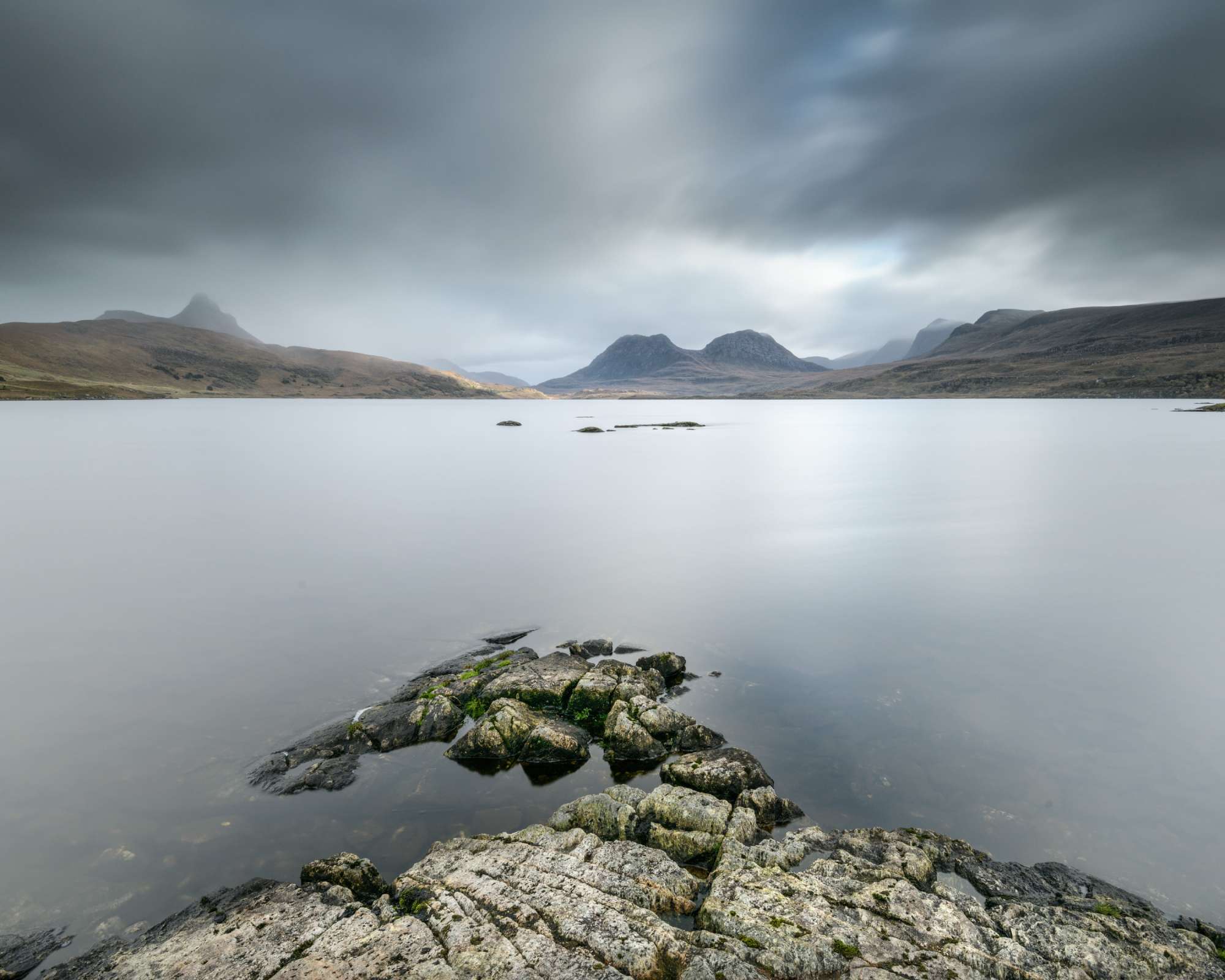
Our photography retreats are intentionally structured around this principle. By repeatedly working in one or two carefully chosen environments, familiarity replaces novelty and observation becomes more deliberate. Classroom sessions, editing reviews and discussion become extensions of the field experience rather than separate activities. The goal is not simply to return with impressive images, but to deepen the photographer’s understanding of their own process and perception.
Similarly, our online photography education programmes are designed around continuity and engagement rather than one-way instruction. We believe photographers develop most effectively when there is time for reflection, questioning and genuine interaction with their work and the work of others.
Ultimately, we believe photography is about far more than producing technically competent images.
Photography can become a way of understanding how we see, what we respond to and how we engage with the world around us. Technical skill provides the foundation, but judgement, intent and self-awareness shape the work itself.
That is why our aim has never simply been to improve photographs.
It is to help photographers grow in confidence, clarity and understanding.
To develop photographers, not just images.
At aspect2i, our landscape photography education is built around long-term photographic development rather than formula-driven instruction. Aspect2i provides landscape photography education through immersive retreats, online photography courses, individual tuition and long-term mentoring. Led by FRPS photographers Michael Pilkington and Paul Gallagher, our programmes focus on photographic development, editing with intent and helping photographers build meaningful personal work.

