
Are you collecting or creating?
Article

Michael Pilkington
If there is one attribute that has the power to transform your photography, it is intent. Intent when making the photograph and intent when editing it.
Many photographers spend years improving their technical skills. They learn about exposure, depth of field, filters, sharpness and post-processing. These skills matter as they give us the tools to work with precision and confidence and realise the final image. But technical competence alone does not necessarily lead to stronger photographs.
Technical knowledge tells us how to make an image. Intent tells us why we are making it. Without intent, photography can become a sequence of technical actions carried out without a clear objective. With intent, those same actions become purposeful decisions, each one helping to shape the final image. Photographers improve because they want to make better photographs. Better photographs are those where the photographer’s intent is clearly articulated, well-constructed and successfully realised.
The idea that photographers should have a sense of the final photograph before pressing the shutter is not new. The concept of previsualisation has been part of photographic thinking for many decades and is often associated with Ansel Adams.
Previsualisation is commonly described as the ability to imagine the finished photograph before it is taken. Adams often spoke of seeing the final print in his mind before exposing the negative. In his well-known analogy, the negative was the score and the print the performance.
It remains a powerful idea. For many photographers, however, previsualisation is often interpreted as a single moment of imagination. You look at the scene, mentally picture the photograph, and then take it.
In practice, the process is usually more fluid than that. When working in the landscape, I often try to imagine the image I am making as a finished print hanging on the wall. This simple exercise slows me down. It encourages a moment of reflection. Is the image strong enough? Does it have the presence to hold attention over time? Is it a visual translation of how I feel about the landscape?
But over the years, I have come to prefer a slightly different word: Intent.
Intent feels more considered. It suggests purpose and direction rather than simply anticipation. It asks not only what the final image might look like, but what the photograph is about.
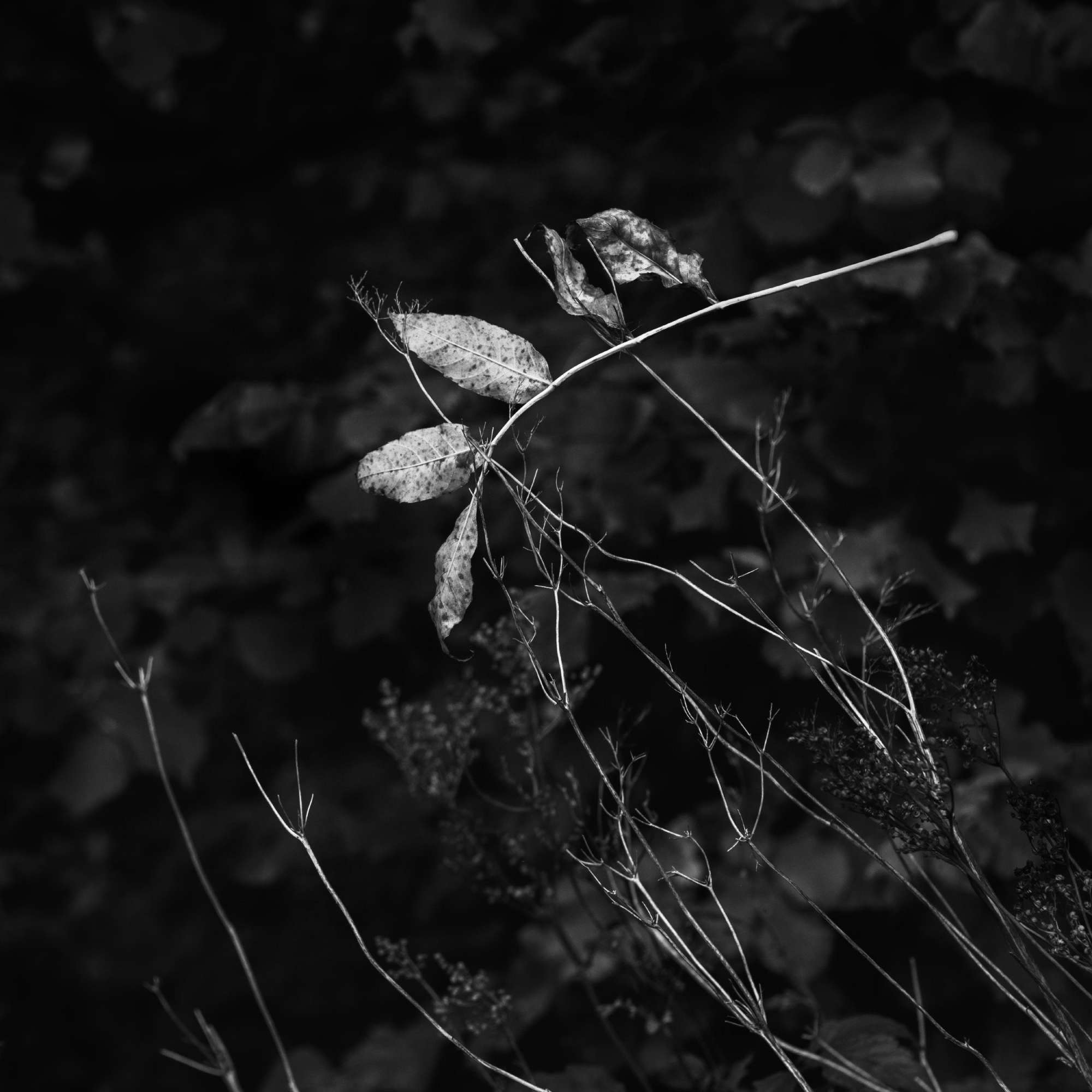
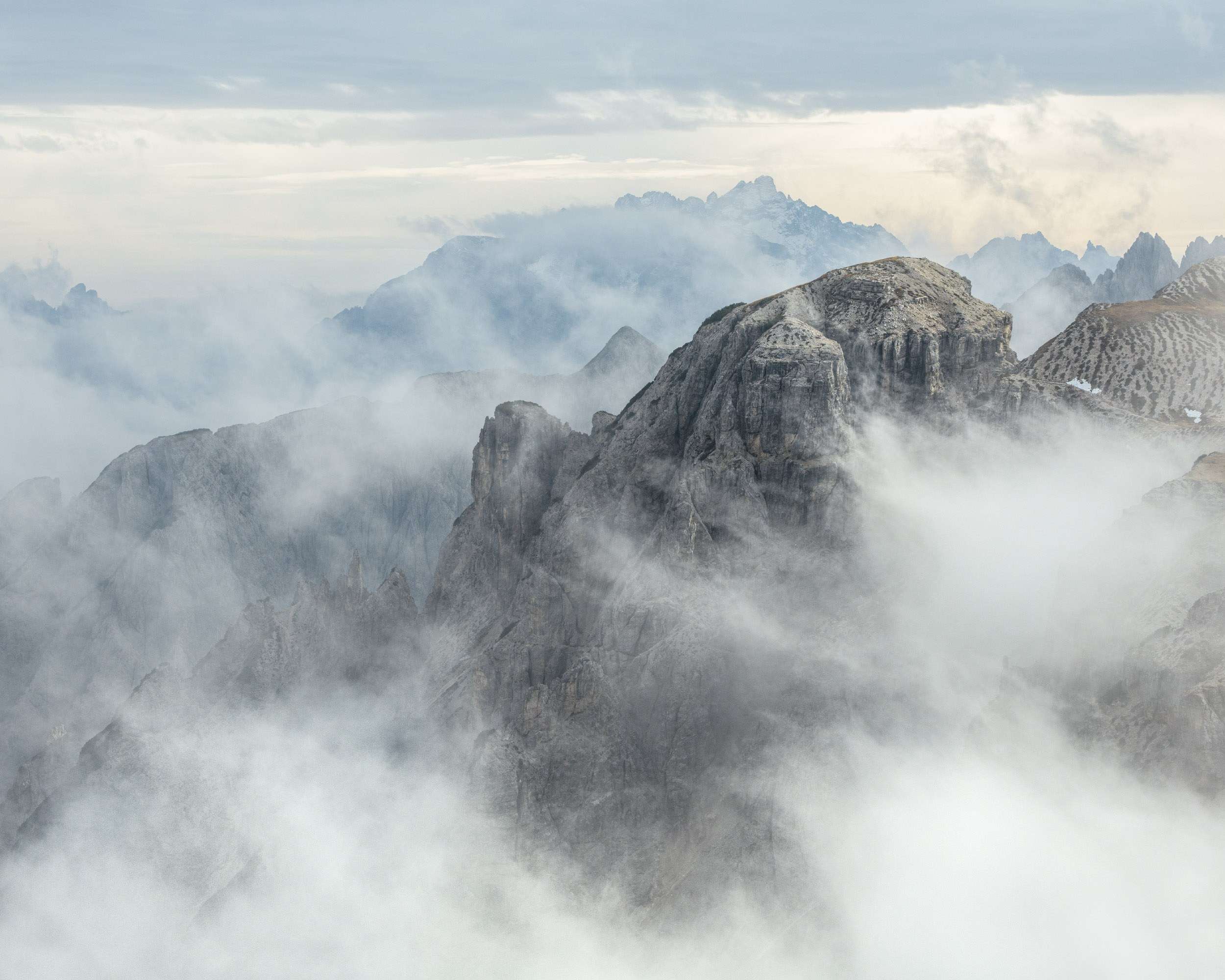
Intent does not necessarily begin when the camera reaches your eye. Often it forms earlier. Sometimes it exists before you even arrive at a location. You might travel to a mountainous landscape hoping to capture a sense of scale and grandeur. You might visit a woodland with the intention of exploring colour, rhythm and structure. At other times, intent forms when you arrive and begin to experience the landscape. It might be the majesty of mountains rising above the valley floor. It might be intricate patterns in sand revealed by the retreating tide or the quiet resilience of an aged tree holding on against the forces of wind and weather. Sometimes the driver is more subtle. It might simply be the atmosphere of the place or the quality of the light. In its simplest form, it may be just the way the place makes you feel.
Whatever the source, something captures your attention. Something holds you there for longer than a passing glance. That moment of communion is often where intent begins.
You may not define it immediately in words, but you recognise that something about the scene matters or is holding your attention. That recognition should start to guide how you photograph it.
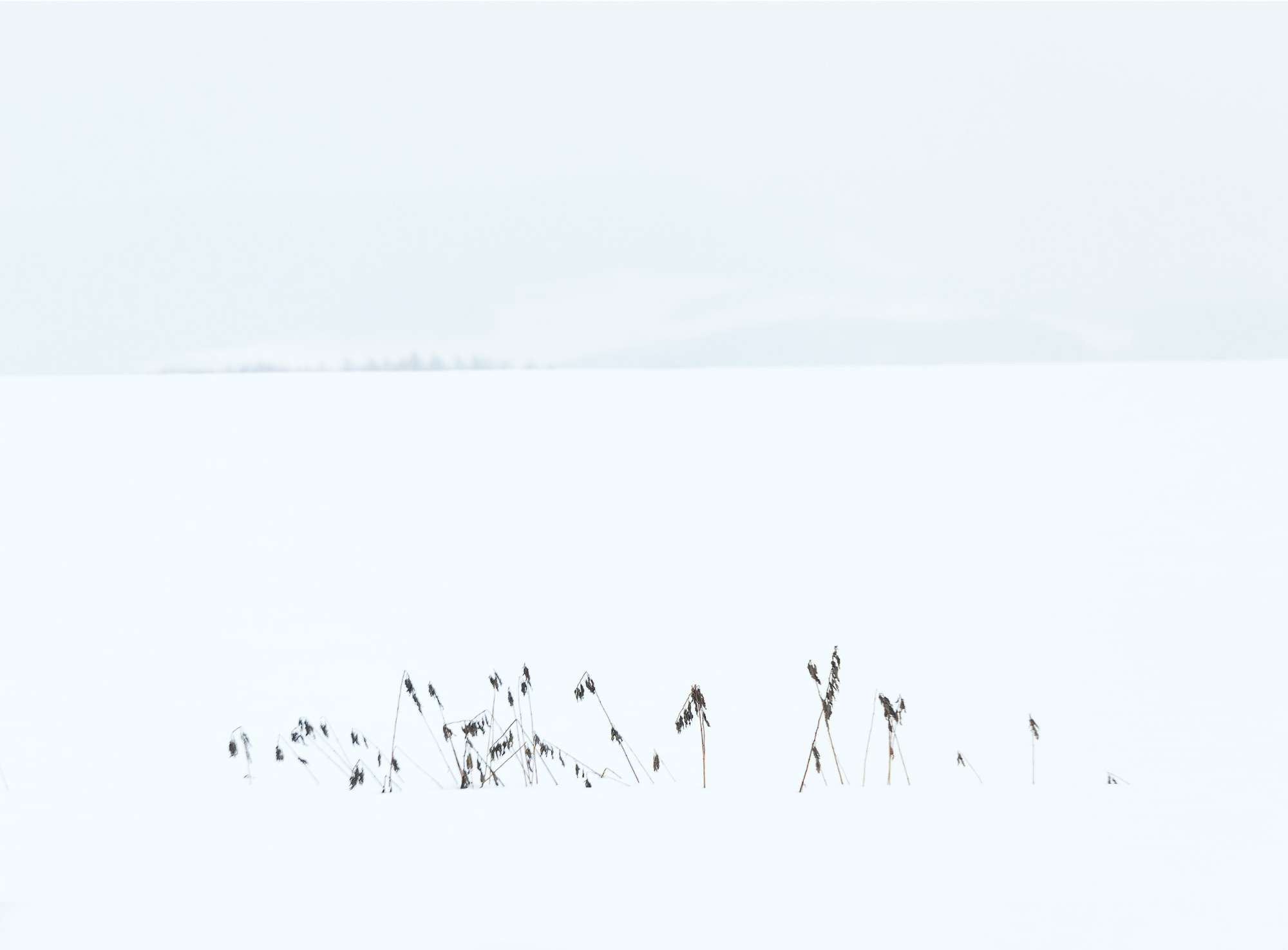
Once intent begins to form, it influences every decision you make. Composition becomes clearer. Instead of trying to include everything in the frame, you begin to simplify. The most important element in the scene becomes the centre of the photograph and other elements either support it or are removed. Exposure decisions become more purposeful. A darker exposure may reinforce mood and atmosphere. A brighter exposure may emphasise openness or calm. Choice of aperture, focal length and perspective all begin to serve the same objective.
Without intent, it is very easy for photographs to become visually discordant. The frame may contain interesting elements, but with no clear hierarchy. The viewer is unsure where to look or what the photograph is trying to convey.
Intent helps to resolve that uncertainty. It creates harmony within the frame and establishes a clear visual priority. Even when viewers interpret the photograph differently, they can sense that the image has direction and coherence. Interpretations are free for all, but the essence of the photograph will always be yours.
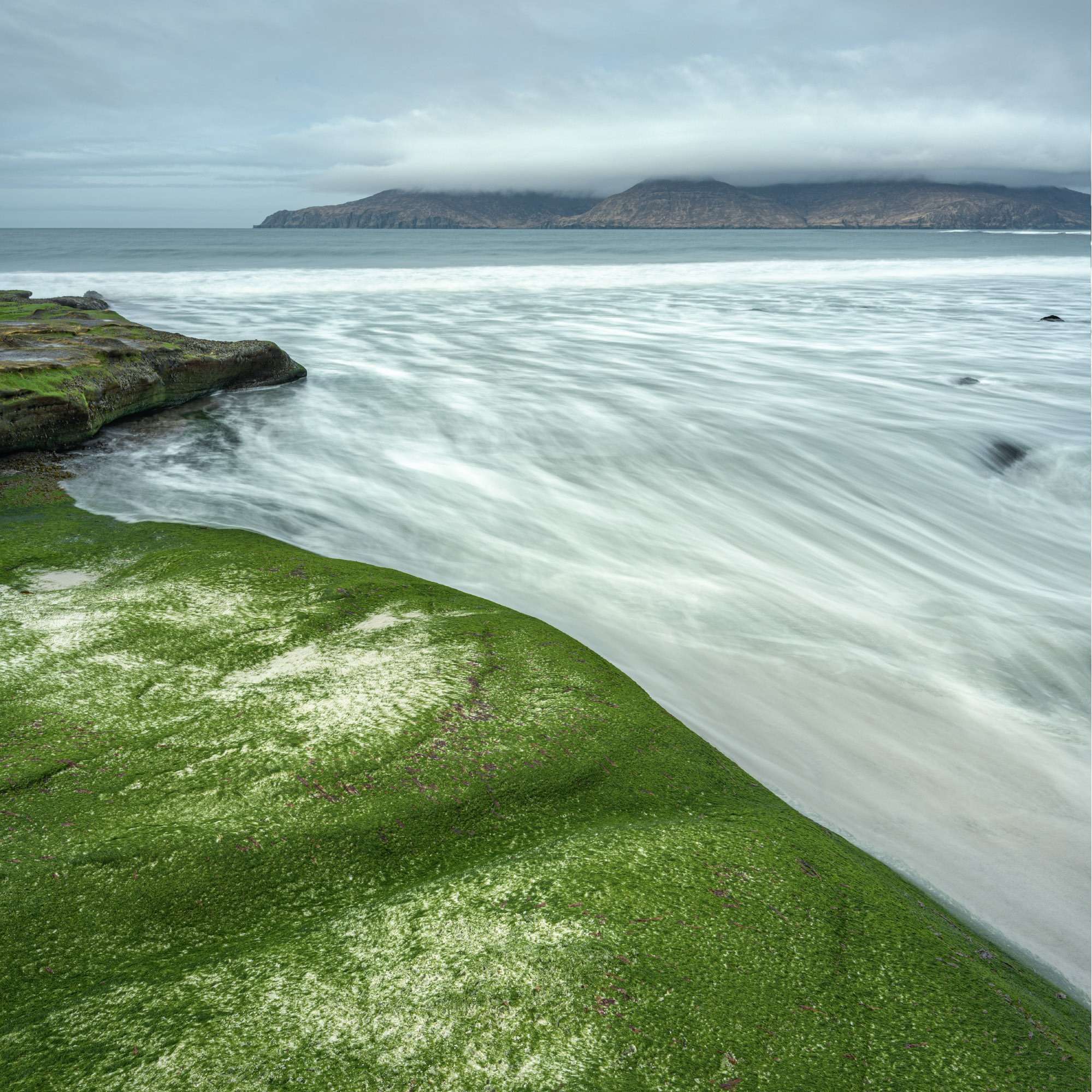
The importance of intent does not end when the shutter is pressed. In many ways it becomes even more important during editing.
One of the most common difficulties photographers encounter when editing is simply knowing where to begin. Faced with a raw file, they are unsure what they want the photograph to become. As a result, they begin experimenting with adjustments, moving sliders around to see what effect they have on the image. Exposure is increased and reduced. Shadows are lifted and then darkened again. Highlights might be suppressed or enhanced. The process becomes exploratory but not necessarily purposeful. Even worse, the results of unintended exploration can become the foundations of a final image, whereby the photographer is not sure if they are pleased with it or not.
The use of presets is another way to explore the image, and they are applied to see what happens. They appear to give a shortcut to realising the final image. The problem is that these presets do not ‘know’ what the intended outcome of the photograph was as well as the photographer who took it!
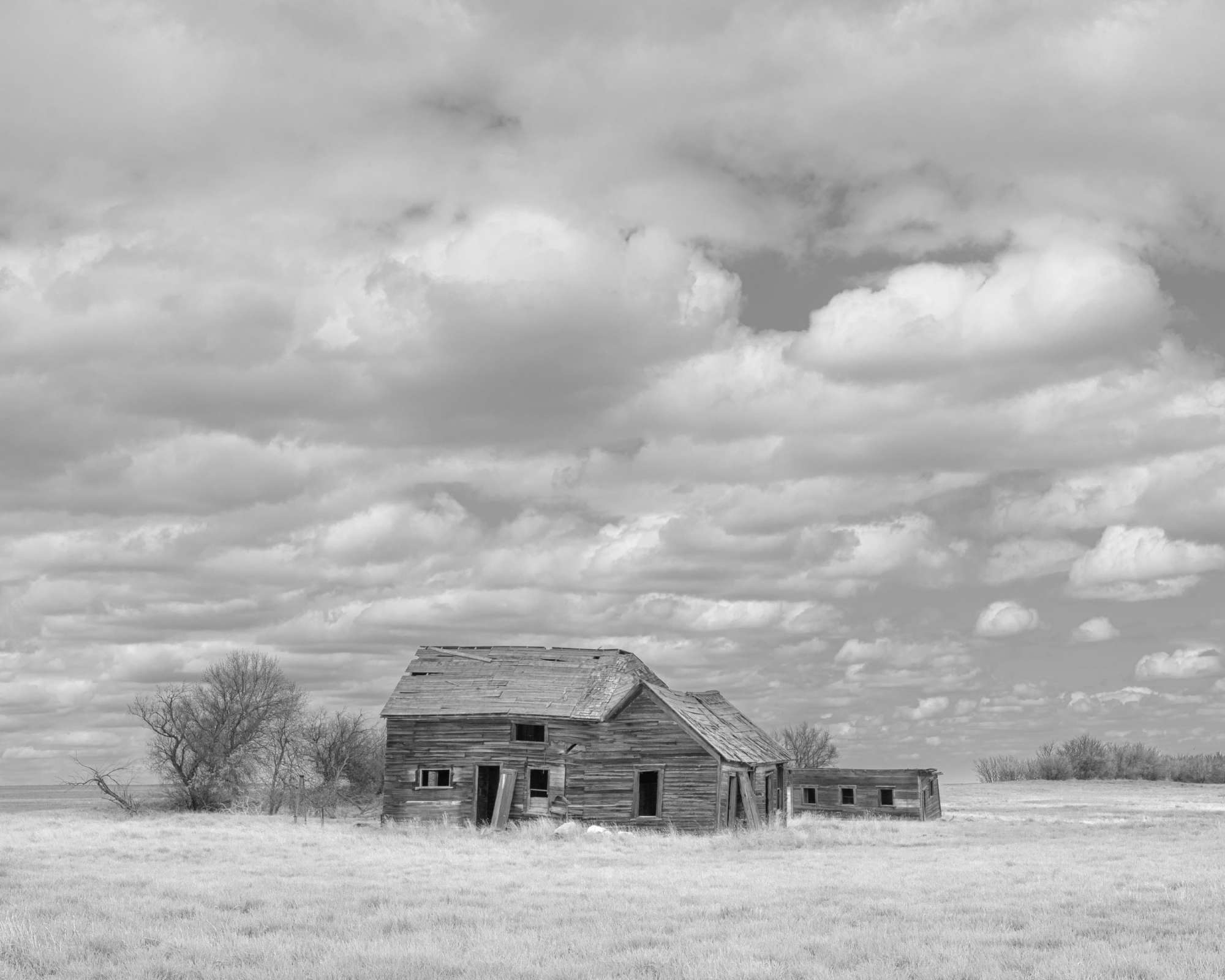
Clear intent changes this completely. If you already know what the photograph is about, the editing path becomes far more obvious. Adjustments are made to reinforce the structure and mood that originally drew you to the scene. Editing then becomes a process of clarification rather than experimentation.
Another challenge photographers often face is knowing when editing is complete. Without intent, this can be difficult to judge and often conclude when the image before you begins to look worse. In short, you have exhausted the adjustments that looked appealing. Small adjustments continue to be made, sometimes improving the photograph and sometimes simply changing it. Intent provides a simple answer. The photograph is finished when it clearly communicates what you set out to show.
Intent does not remove the creative process, but it provides a clear path through it.
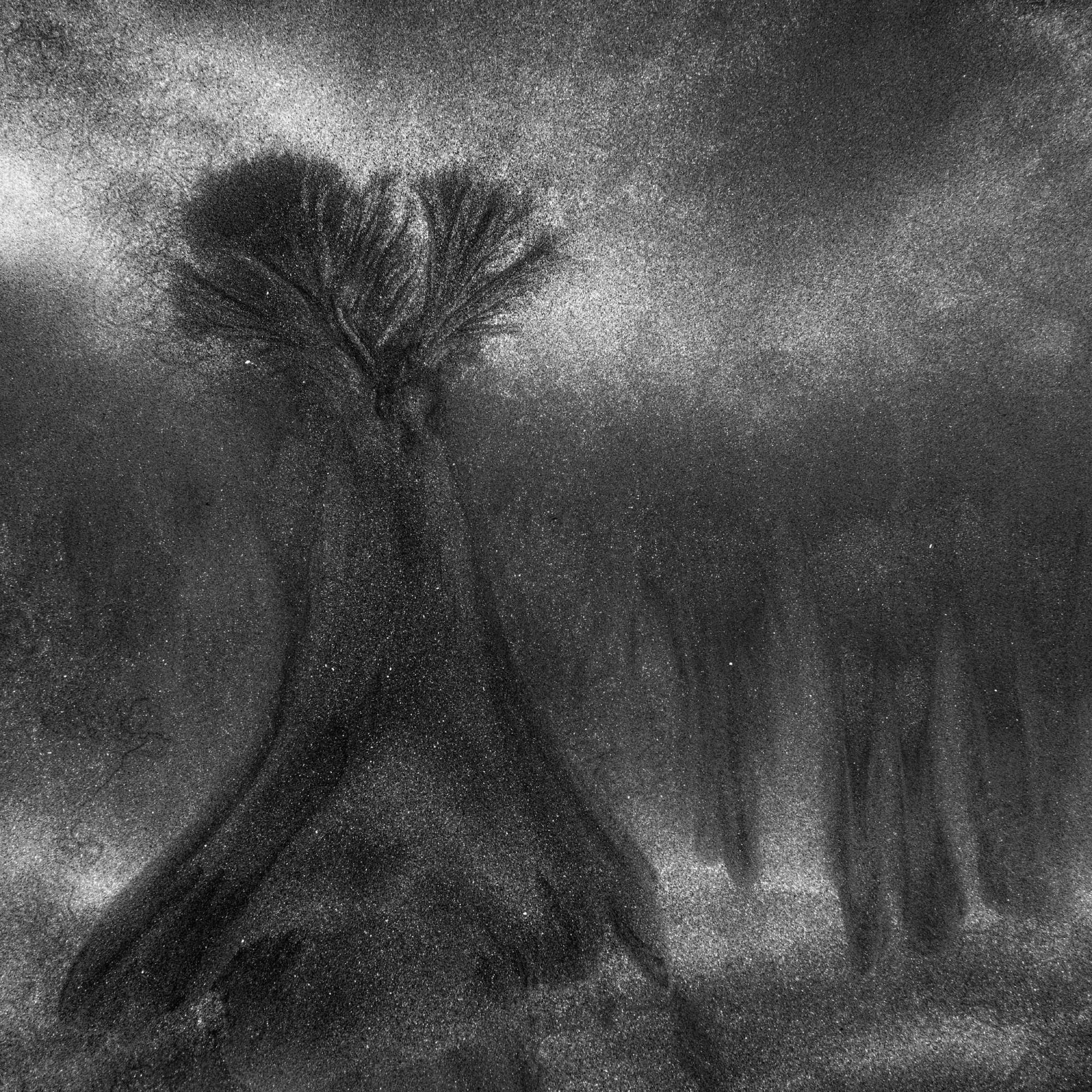
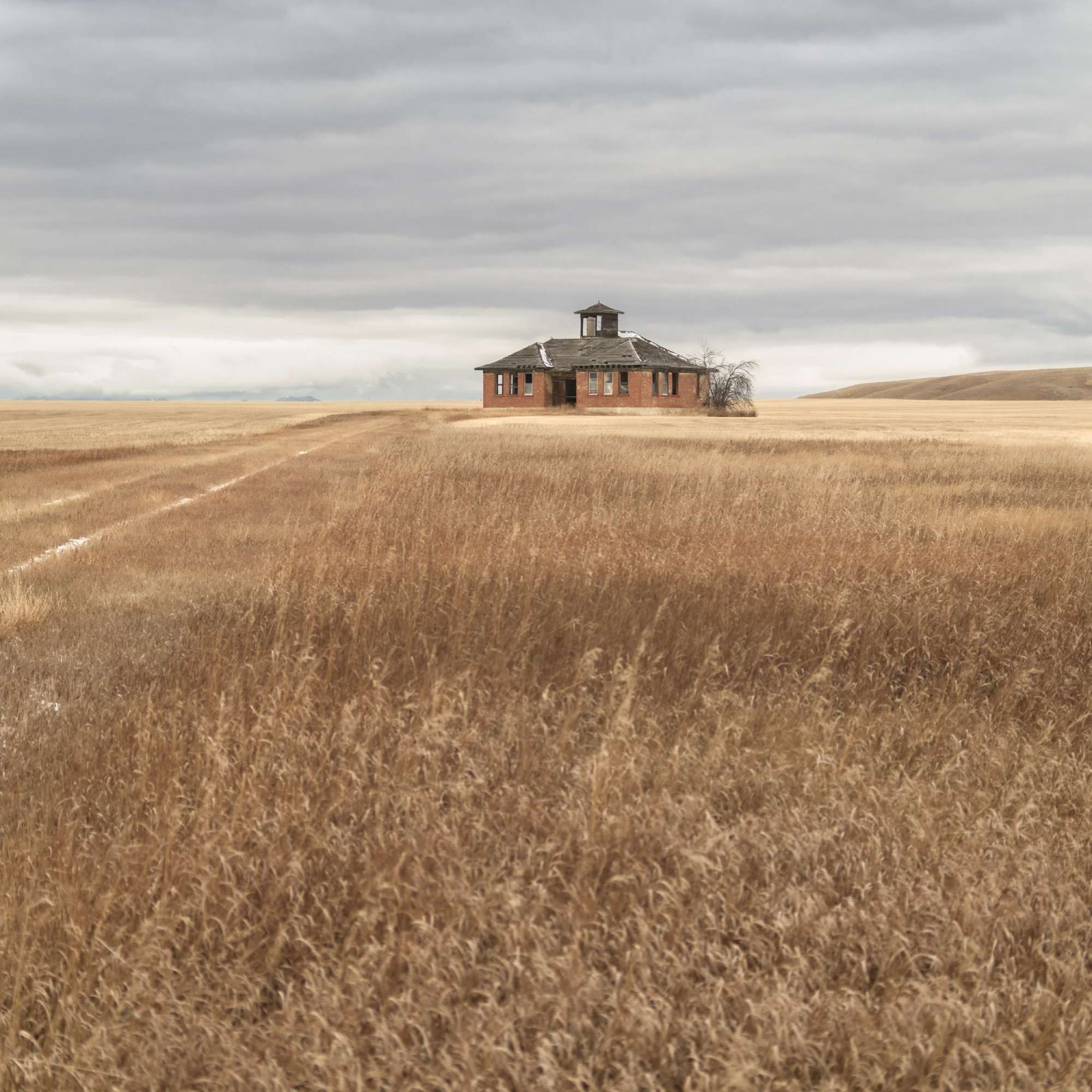
Developing intent begins with a simple habit. Before pressing the shutter, pause for a moment and ask yourself a question: What am I trying to show here? The answer may be straightforward. It might be the drama of a storm over the sea, the delicate pattern of frost on grass, or the quiet persistence of a tree standing alone in the wind.
Allow that intention to guide your composition and your editing decisions later. Over time, this habit becomes instinctive. Photographic decisions become clearer, and the images themselves become more coherent.
The result is not simply better photographs. It is a more thoughtful and rewarding photographic process. Photography is no longer just about recording what is in front of you. It becomes about expressing what made you stop and pay attention in the first place.
