
Tools of Interpretation
Article


Michael Pilkington
One of the most fundamental and common questions I ask when looking at client images on photography workshops is ‘why did you take it?’. It seems a simple question and one which is easily answered. However, the answer in reality does not reflect this. Indeed, the question is not given a lot of thought, and this can be the difference between an excellent image and an average, or even a bad one. Reflecting this, responses can be convoluted and unclear.
As landscape photographers, we are often fortunate enough not to be rushed. This does not mean that we don’t have to work quickly, as sometimes this is the case. In fact, many non-landscape photographers have the impression that we are involved in a leisurely pursuit, hanging around waiting for the light to change in our favour. As you know, this can be far from the truth. Perching on a rocky outcrop by the edge of a storm-charged sea with the wind and spray blowing towards you and a blizzard about to hit you requires the photographer to work fast, ensuring you do not drop any equipment into the swell. You need to know how to assemble your kit, load your filters, and set the necessary exposure in double quick time, and all without falling in yourself!
We can take time to contemplate and choose the image that we will take. But is this the case? Often, when arriving at a location, there is an inclination to walk around ever so briefly and then set up your tripod, attach the camera and start shooting. There is an emotional surge and mental obligation to ‘get one in the bag’. Let’s face it, you have driven or walked miles to a particular location, and you have an obligation to be successful, to bring home some great images. The question is, what are you doing to make this happen?
My experience, having worked with lots of photographers over many years, both as a workshop leader and one-to-one, is that people do not take the time to stop, think and experience their surroundings. Often, there is an urgency to start taking photographs, with the hope that the discovery of a successful image is back at home, scanning the raw files on your computer. On consideration, this is very much ‘after the fact’, and you are often a long way from where the photograph was taken, so “nipping back out to have another go” can quickly turn into disappointment at the lost opportunities. To add to the disappointment, whilst you are looking at the image files and recounting the time you were there, you piece together the places you should have set up and see with staggering clarity where you could have done better!
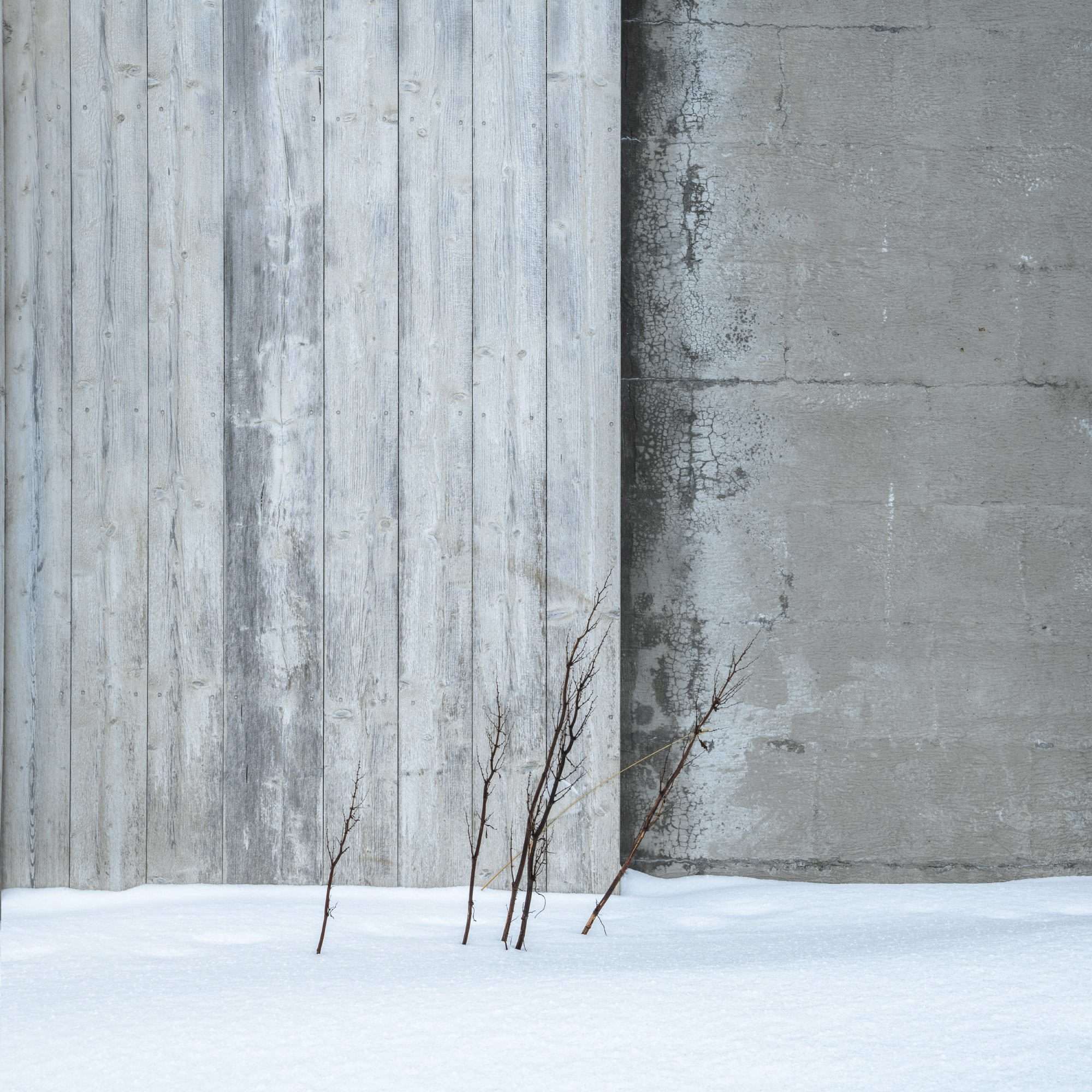
The first thing to do when arriving on location is to stop and look around you. This means not just looking at what is in front of you, but turning around and surveying what is behind you, and surrounding you. The change of perspective on the direction of light and subject matter can be transforming. When you stop to look, you will start to see the possibilities available to you. The shape of trees, branches or grasses may be interesting. The play of light and shadow. The juxtaposition of different components in the scene. It is important to take stock of the potential photographs and to give yourself time to assimilate and digest the opportunities, in short, allow yourself to ‘connect’.
Taking time to think is perhaps one of the most important things in making a photograph, deciding on what should be included and, more significantly, what should be excluded. Often, when reviewing images in the field, I find that they can be confusing and simply do not convey to the viewer what the photographer was trying to achieve. I often use an analogy to describe this. Consider actors performing on a stage. There should be a single lead performer, the star of the show. That lead may have some support actors, but they must not detract from our star; but complement. And then there is the rest of the cast who occupy the rest of the stage, and they, in turn, must not take our attention away from the lead actor or their support.
Consideration should be given to the non-visual aspects of the image; the wind, the temperature, the prevailing weather and how these are going to influence your choice of subject and how you are going to embrace them. Are these dominant aspects of the scene and to what extent do they contribute
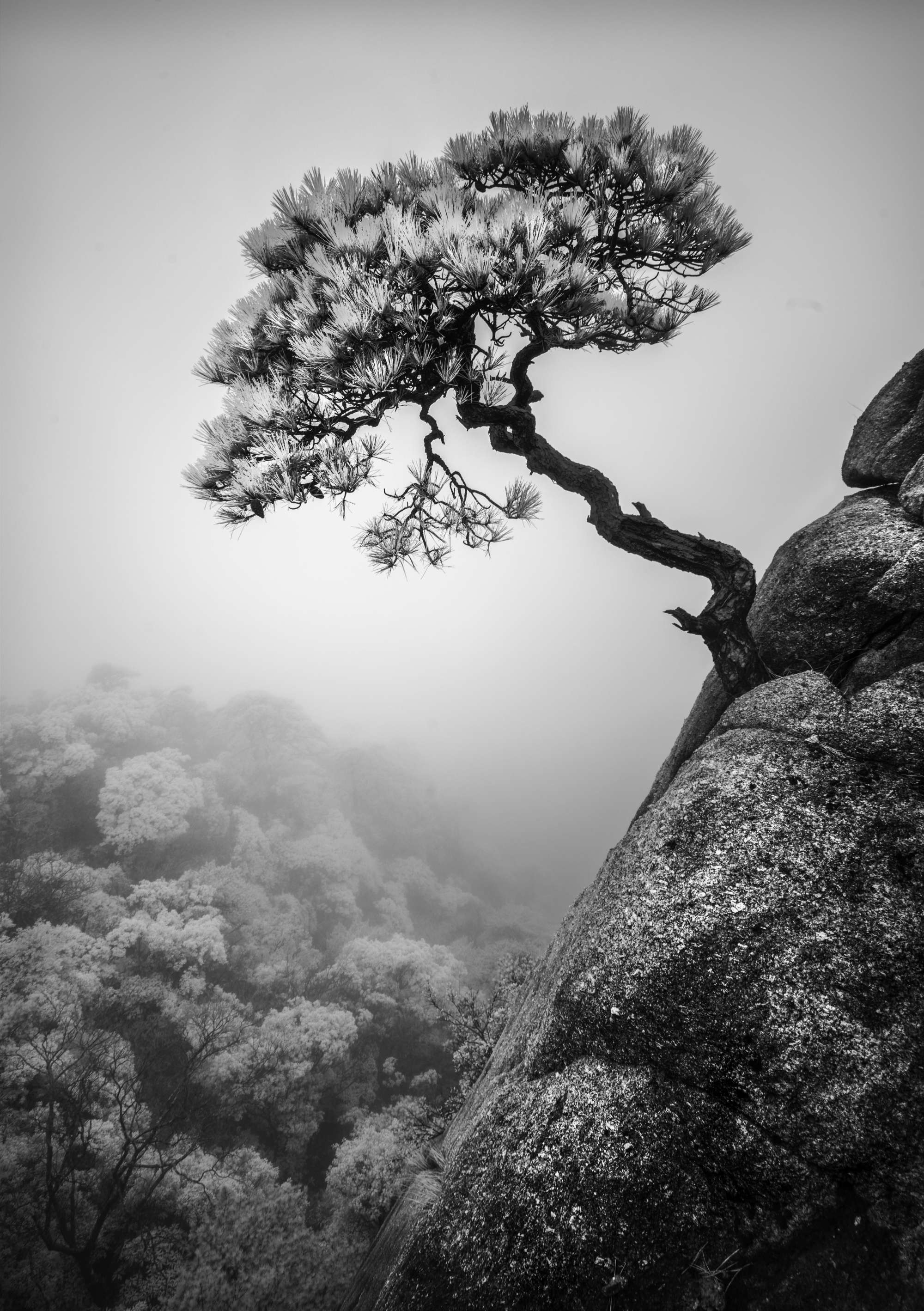
All of the above can fail without having an emotional connection with what you have photographed. This underpins the very essence of the image. Conveying this is perhaps the most difficult aspect of our photography, but it can help you realise the image you want. Experiencing the scene before me is, of course, dominated by the light and the way in which it is illuminated. Light is the fundamental component of photography after all. However, we have more than sight as a sense with which to experience the environment we are in. We have smell and touch, and sound. I used to work in the City of London decades ago, and walking to the office in Canon Street, I used to pass an art gallery every day, and remember seeing this painting that was on display in the window for some weeks. It was of a field, long grass, yellowed by the arid conditions and the heat of the sun beating down on it. There was a tree casting shade onto the ground below it, within which sheep were sheltering from the brightness and heat of the midday sun. I remember staring at this painting every day it was there. I could imagine, even feel, the heat of the day. I could hear the crickets and other insects in the grass and the sound of a gentle breeze blowing. I could even smell the grass and perhaps the odour of the animals. I always wish I could have bought that painting, but it was probably well beyond what a twenty-something could afford.
How did this painting evoke so many responses in me? Somehow, the artist had managed to capture all of these different dimensions in his painting. Firstly, you have to understand what emotion you are feeling and wish to convey. The emotion comes from the scene before you. A good exercise in understanding this is to go out and take photographs that match a certain emotion. It is difficult, but can be enlightening and help train your thought processes.
Your image may be dominated by colour. It is well known and documented how different colours evoke different feelings. For example, blues symbolize rationalism, wisdom, faith and trust. Green is the colour of hope, spirit, balance and calm. A limited palette of colours can be soothing, high contrast and dynamic range may be jarring, but equally, could be considered as energising!
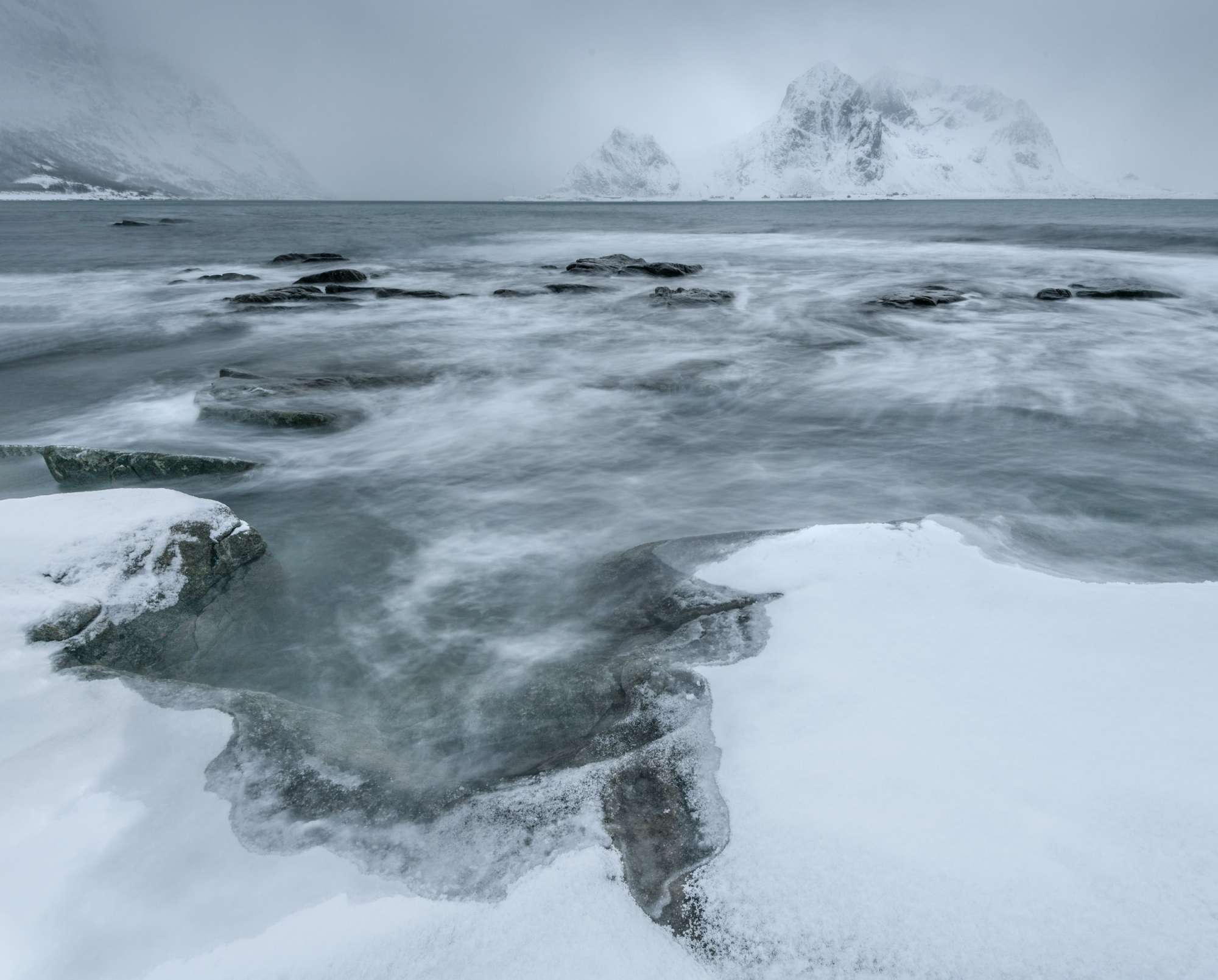
All of what I have spoken of comes down to one thing. Pre-visualisation. The ability to visualise what the final image will look like. When surveying a scene, I try to visualise what the final print will look like and how I would like the viewer to respond. It is at this stage I will begin to consider the tones of the image. The choice between printing lighter or heavier tones will hugely influence the viewer’s response to the finished photograph. I even give consideration at this stage to what paper I would use. Finally, I ask myself if I would be happy to put the final print on my wall. If the answer is yes, or even probably, then I go ahead and take the photograph. So before you release that shutter, before you even set up your camera, think ‘Why am I taking this?

