
Are you collecting or creating?
Article

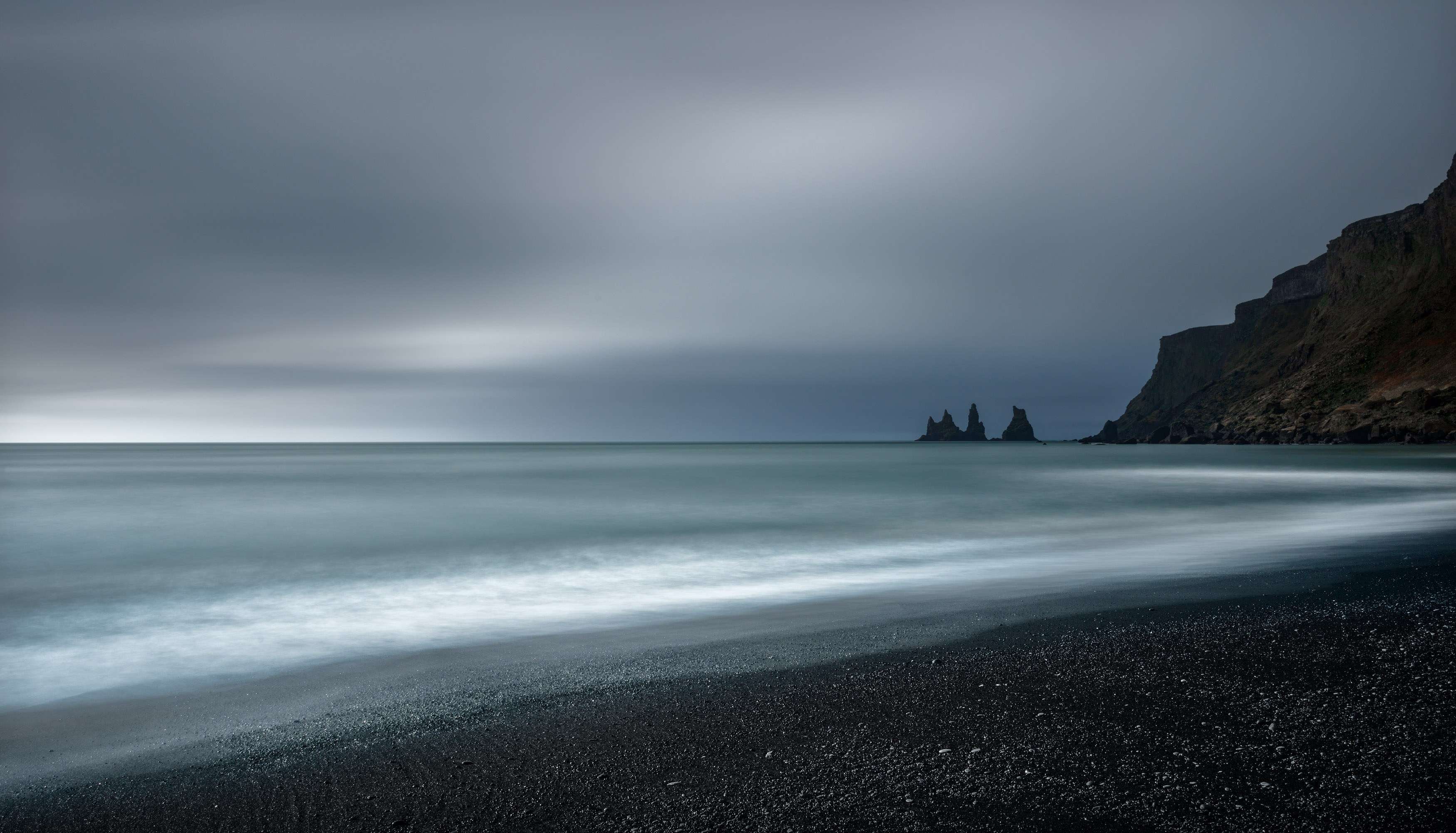
Michael Pilkington
I remember many, many years ago my wife asking, ’Why are all your pictures so dark?’ I just replied, ‘Because I like them that way’ It was true that the subjects and most definitely the editing tended towards the sombre, the dark and dramatic. I didn’t really reflect on that too much at the time, but, of late, I have been contemplating the evolution of my photography. Today, what I photograph is pretty much the same, but the way in which I approach it, from in the field to the final print, is quite different. There is a clear evolution. My images are no longer dark, and they are more celebratory of the landscape and what is within it. In the main, they are lighter, not just in brightness but in character.
Let’s go back to those dark images my wife commented on. If I am honest and open with you, those days were darker for me. I have always tended towards the glass-half-empty end of the scale. Back then, it was three-quarters empty! I could sum up that the way in which I photographed and presented my images reflected me then. I was not consciously expressing myself, yet expression was present all the same. Over time, I have come to believe something simple but significant: photography is not just about what you photograph, but about how you see — and who you are when you see it.
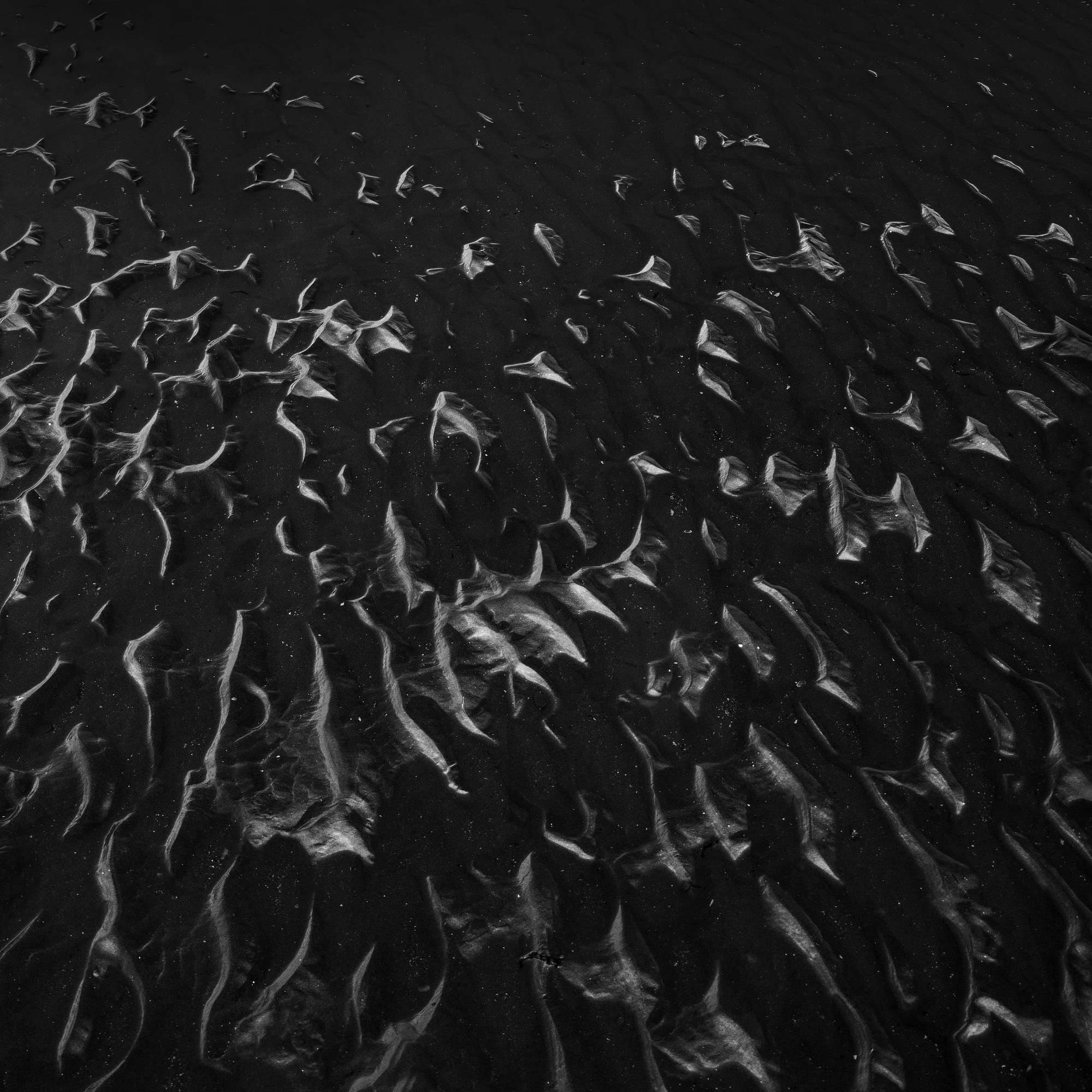
When I speak of self-portraiture, I do not mean placing ourselves physically in the frame. We each bring a unique and personal perspective to the act of photography: a mélange of memories, values, experiences, doubts, desires, and fears. When we step into a landscape with our camera in hand, we are not just reacting to what is out there, but unconsciously seeking resonance with what is within ourselves. A certain tree catches our attention, not merely because of its shape, but because it embodies something we recognise: resilience, solitude, grace, defiance. A veil of mist stirs more than aesthetic appreciation; it evokes ambiguity, mystery, loss or perhaps peace, stillness, and calm.
In this sense, landscape photography becomes less about what we see and more about how we see it and what we are drawn to reveals something essential. As photographers, we are not passive recorders of the landscape. We are interpreters, distillers, and translators of our own experience. The image becomes a connection between the outer and inner world, a self-portrait made in the language of rock, tree, water, and light.
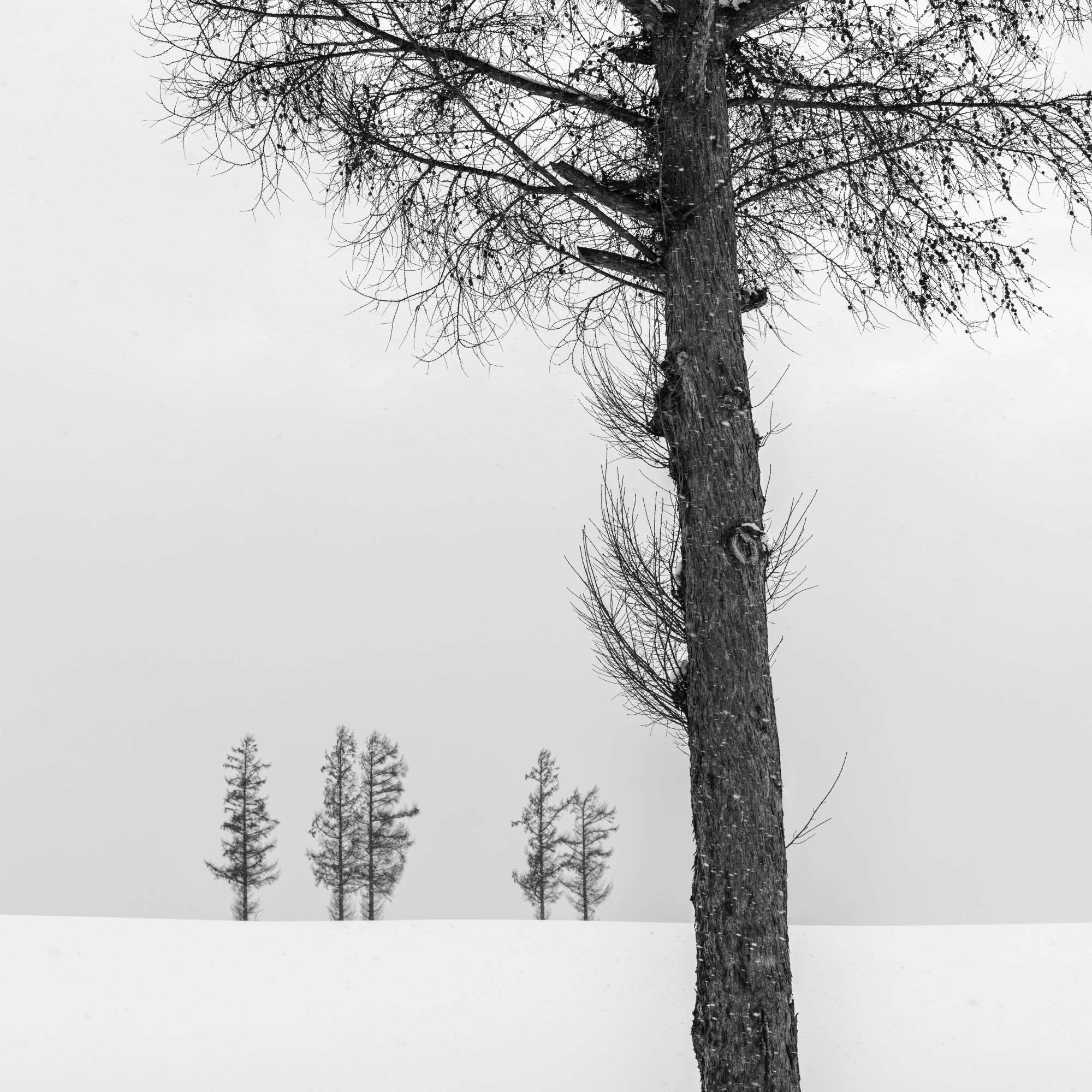
The journey from seeing to expressing is rarely linear. I have found it helpful to think of photographic development as a spiral that moves through three phases: influence, intuition, and expression. We circle through them, sometimes advancing, sometimes retreating, yet gradually deepening our understanding.
Influence is where we all begin. We are drawn to the work of others; photographers we admire, styles we want to emulate, compositions we try to copy. This phase is essential; it feeds our enthusiasm and helps us build the technical foundation for image-making.
However, too often, photographers can become trapped there. They collect images like postcards, replicate scenes already seen, and unconsciously adopt someone else’s vision and style as their own. Without self-enquiry, influence becomes repetition. Photography becomes reactive rather than reflective. The pursuit of applause drowns out the quiet voice of self-awareness. And so, the spiral of development stalls.
This is not to say that those early influences are shallow or misguided. Quite the opposite. They often resonate with us precisely because they echo some part of our own internal landscape, even if we are not yet fully conscious of it. A beginner drawn to the quiet minimalism of Michael Kenna or the luminous serenity of Ansel Adams may be responding to a yearning within themselves for stillness or clarity. In this way, influence can serve as a mirror, but it cannot be a destination.
Intuition is the next turn in the spiral. It is the stage where we begin to feel our way into the landscape. We start to recognise what draws us in a scene before we can articulate why. We stop chasing locations and start responding to mood, atmosphere, and form. Composition becomes instinctive. Editing becomes a dialogue, not a formula.
The images become less about external validation and more about internal satisfaction. In this phase, we begin to photograph not just what we see, but what we feel. We sense a direction without fully understanding it. The work becomes more personal, though its meaning may still be unclear.
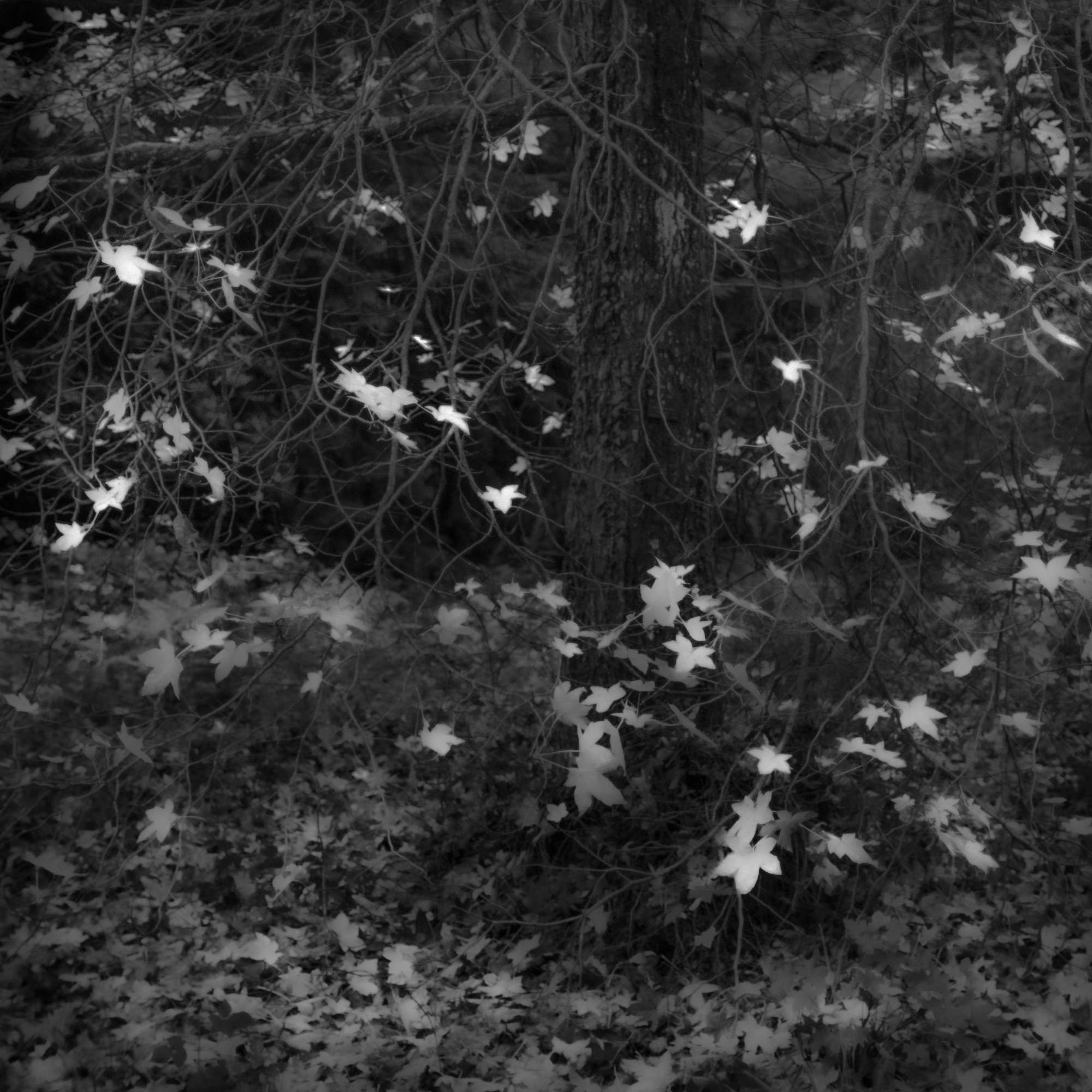
Expression is the final turn, where intention and intuition align, and the photograph becomes a vessel for something deeply personal. Expression doesn’t mean grandeur or novelty. It may manifest itself in a subtle curve of light, an unconventional crop, or a quiet scene that others might overlook entirely.
The camera, though mechanical, can function as a mirror. It reflects not only the world in front of it, but the sensibility behind it. In this way, even technical decisions — lens choice, time of day, tonal range, depth of field, plane of focus — become expressive tools. A preference for shadow or mist, chaos, or order isn’t random. It becomes autobiographical. What matters is not what the image contains, but what it communicates. Expression is photography with a voice.
Here, landscape photography becomes less about the landscape and more about the photographer. The image is no longer simply descriptive. It becomes autobiographical, even if the photographer never intended it to be so. Expression requires a willingness to look inward as well as outward.
Whilst I present this as successive stages, it is, in fact, iterative. Sometimes, when I do not feel connected to the landscape before me, I might revert to influence or intuition. I find that being expressive is not something that you can do all the time. I don’t believe that you can be original and creative all the time. It is not possible for any artist.
What moves a photographer from influence towards expression is not simply time or technique. It is self-enquiry.
Self-enquiry is the willingness to ask yourself why you are drawn to a particular scene; what are you responding to? Is this saying something about how I see the world, and how so? It could be just an innate appreciation of the beauty of nature, that is to say, joy or contentment. What do I want to say and to whom?
These are not questions with quick answers. They may not even be fully answerable. But they orient us toward depth. Without them, we risk becoming derivative, formulaic, or merely producing decorative images. We simply collect images.
Yet, self-enquiry seems to be increasingly rare in photography. Many photographers remain stuck in the influence stage, not because they lack talent or passion, but because the wider environment rewards imitation over introspection. Speed and validation, likes, shares, and camera club praise have become the currency of photographic success. Slowing down, questioning one’s intent, risking failure or obscurity; these are not encouraged. But they are essential if we are to produce work that truly expresses who we are. Photographers that nestle in the world of influence take comfort in consensus, a place of little risk and one that welcomes you in.
Self-enquiry is what turns influence into insight and intuition into expression.
For those at the beginning of their photographic journey, it’s easy to feel that you must first master gear or technique before expressing anything meaningful. But expression doesn’t require mastery — it only requires honesty. The photographs you’re drawn to, even if heavily influenced by others, already contain the seeds of your voice. The key is to stop and ask: Why this image? Why this feeling? These small acts of reflection open the door to something deeper.
So how can we cultivate this deeper engagement?
One way of creating space is to photograph without the intent to share. Not everything needs to be posted, submitted, or judged. Give yourself space to explore and fail.
Writing alongside your photography can reveal patterns you might otherwise miss. Journaling about why an image speaks to you or why it doesn’t can open surprising insights.
Return to familiar places. When novelty fades, deeper layers often emerge. Familiarity breeds nuance and is extremely powerful.
Study your own work. Lay out twenty of your favourite images from the past few years. What do they have in common? What do they say about you? What was your mood when you took the photograph?
Allow photography to be an act of feeling, not just seeing. Let your mood guide your choices: subject, light, colour, tone.
Over time, these quiet practices build an inner compass.
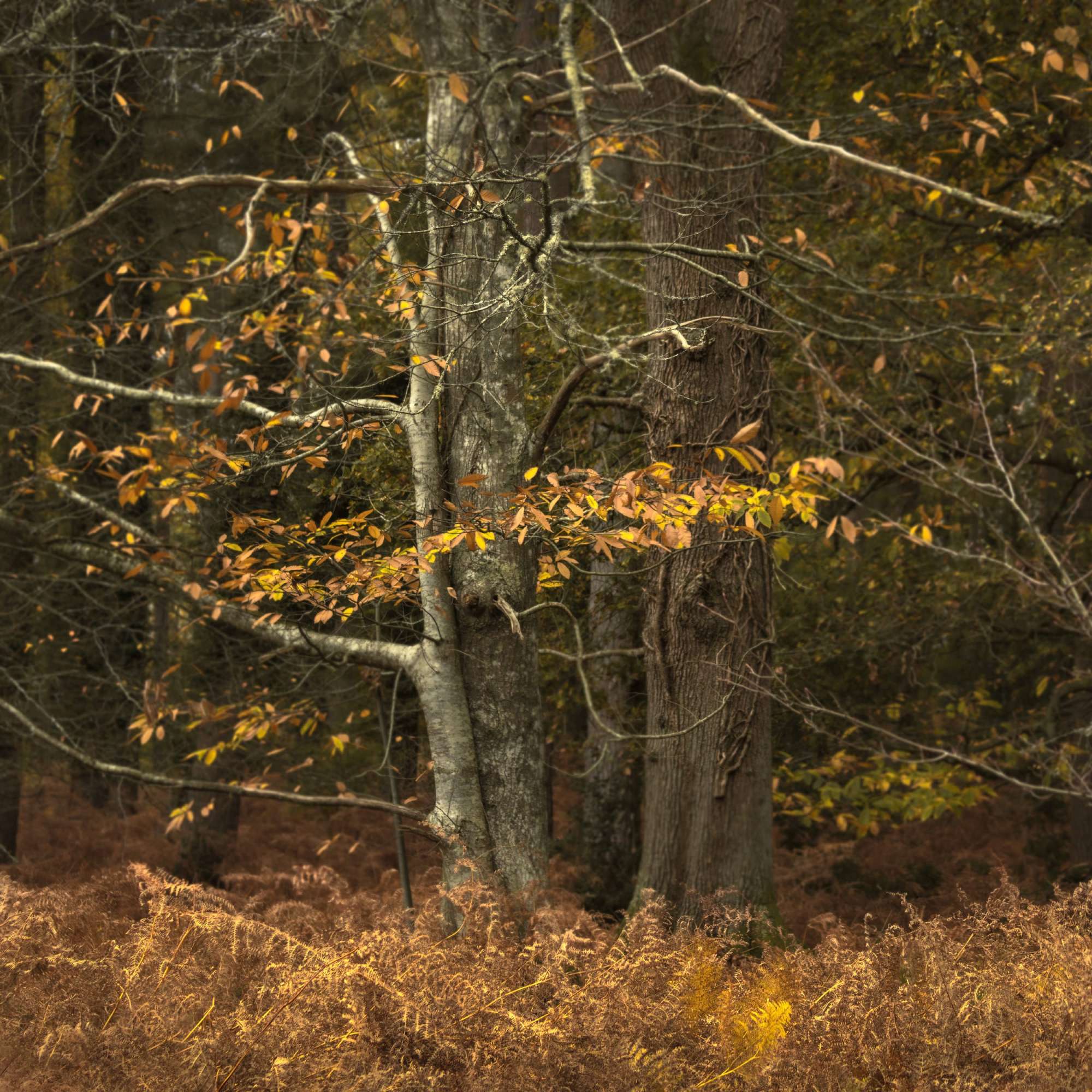
In my own work, I’ve been told that there is a certain softness, sometimes even a hint of grief, that underpins many of my images. I did not set out to create melancholic photographs. But I have always found refuge in nature. It is a place of solace and reflection. Therefore, it is understandable that this emotional undercurrent is reflected in the work. Equally, my favourite subjects are mountains and woodlands. Mountains are enduring and timeless, slowly adapting or being formed by the forces of nature. They are resilient. Woodlands are chaotic and messy, much like life, and my impulse is to derive some kind of order.
In truth, we cannot hide from ourselves in our photography. Sooner or later, who we are is revealed, whether we intend it or not. The camera does not just record what we point it at. It records how we are in the world.
To pursue landscape photography as a form of self-portraiture is to embrace it as a practice of becoming — not merely capturing what is, but discovering who we are through what we choose to see and share. It asks that we go beyond the frame and encompass the framing mind.
This does not require grand statements or obvious symbolism. It asks only that we pay attention. That we treat our images as questions, not answers. That we allow the land to reflect not just the light, but something of ourselves.
These inclinations are not a strategy; They are sensibilities. Sooner or later, who we are reveals itself in the work, whether consciously or not.
So, we begin to create something that is not just technically competent or compositionally pleasing but expressive, honest, and unmistakably ours. It reflects our style. I would caution against seeing it as a rigid or singular visual identity. True photographic style is not a formula or filter applied to every subject; rather, it is a consistent sensibility that evolves. It may shift with the seasons, change with our circumstances, or deepen as our inner life matures.
The expressive photographer does not pursue sameness but cohesion — personal insight that manifests differently depending on the moment.
Ultimately, to pursue landscape photography as a form of self-portraiture is to accept it as a practice of becoming. It asks that we look beyond the frame and consider the framing mind. It asks that we treat our images as questions rather than answers.
If we are attentive, honest, and willing to reflect, what we produce over time are not merely photographs but traces of our own evolution. The landscape becomes witness to how the world looks to us, and how it feels to inhabit it.
In the end, photography is less about the final image and more about the path we walk to reach it. If we are attentive, the land teaches us not only how to see, but how we see ourselves — and in doing so, every landscape becomes, in some quiet way, a self-portrait.

